Why Is Joovv Red Light Therapy So Popular?
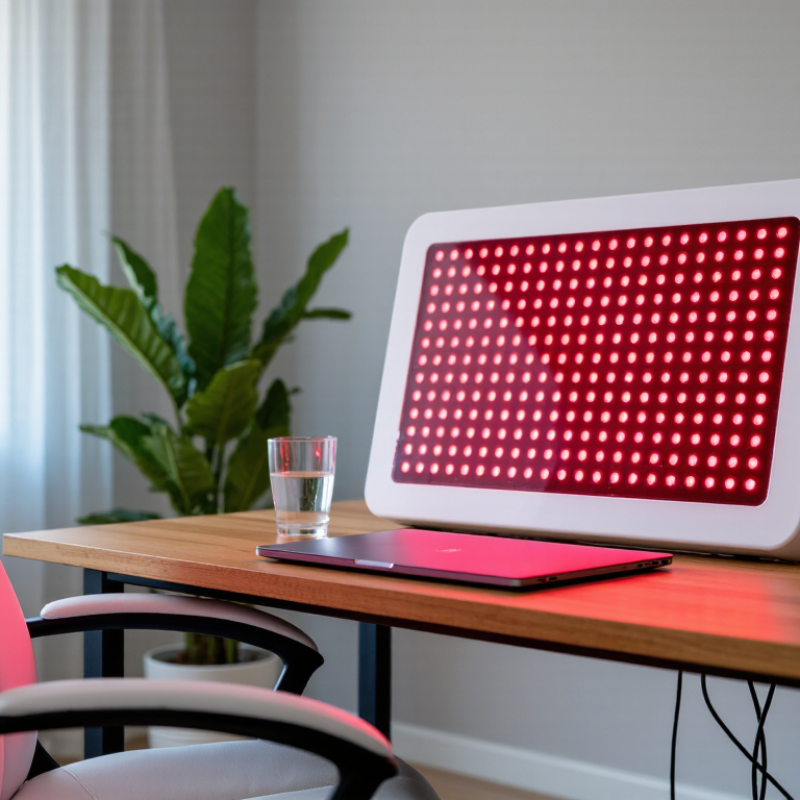
Joovv Red Light has become a familiar name in home wellness, thanks to its sleek panels and simple setup. A panel can stand beside a desk or hang on a wall, making regular sessions feel easy to fit into a busy day. That convenience matters. So does the promise of using red and near-infrared light without needles or medication.
Still, popularity is not proof of a health benefit. Photobiomodulation researcher Michael R. Hamblin has described the approach as “the use of light to stimulate, heal, regenerate, and protect tissue.” That phrase captures the field’s potential, not a guarantee that every device or routine will produce the same result. Wavelength, exposure time, distance, and individual circumstances can all matter. The research is growing, but it is not a magic switch.
What makes Joovv Red Light stand out? This article will look at its design, ease of use, marketing, and the science behind red-light therapy. It will also consider what current evidence can—and cannot—support, along with practical points to review before choosing a device. A small caution belongs here: impressive testimonials can feel convincing, but they do not replace well-designed studies. Readers deserve a clear view of both the appeal and the limits. There is room for curiosity, and for skepticism.
What Is Joovv Red Light Therapy?
Red light therapy uses specific wavelengths of red light, and sometimes near-infrared light, directed at the body with a panel or handheld device. Unlike a heating pad, it is designed to deliver light rather than substantial warmth. A session may feel like standing near a softly glowing screen. That is the basic idea. Not magic.
Researchers study whether these wavelengths influence cellular processes involved in energy use and inflammation. Some findings are encouraging, but evidence varies by condition, device, and treatment schedule. Benefits are not guaranteed, and long-term effects are still being studied. The details matter. Follow the device instructions, avoid staring into bright LEDs, and use recommended eye protection. People with light sensitivity, certain eye conditions, or medicines that increase sensitivity should ask a healthcare professional before trying it. A warm or relaxed feeling afterward does not prove the treatment worked; it can be difficult to separate real effects from expectation. That uncertainty is worth acknowledging.
How Does Joovv’s Light Technology Work?
Red and near-infrared light devices emit measured wavelengths without using ultraviolet light. Red light is generally absorbed closer to the skin’s surface, while some near-infrared wavelengths reach deeper tissues. How deeply depends on wavelength, skin, and the device—not just how bright it looks.
Cells contain light-sensitive molecules, including components involved in mitochondrial energy production. When these molecules absorb light, they may trigger changes in cellular signaling, energy use, and local blood flow. Researchers call this process photobiomodulation. The exact mechanisms are still being studied. The science is promising, but not tidy.
Dose matters.
A panel’s output, treatment distance, exposure time, and wavelength all affect the amount of light reaching tissue. For example, sitting farther from a panel can reduce exposure, even when the session lasts just as long. More time is not automatically better. Follow the device instructions, and avoid staring into bright LEDs. Studies report possible benefits for some skin concerns and muscle recovery, but results vary and depend on the condition and treatment protocol. Red light therapy should not replace medical care; persistent symptoms deserve assessment by a qualified clinician.
What Benefits and Uses Draw People to Joovv?
People are drawn to red light therapy because it fits into a quiet, repeatable routine. A small panel can sit near a desk or exercise space, where sessions may take only several minutes. The light is non-invasive and does not involve heat in the way a sauna does. That convenience matters. Still, convenience is not proof of benefit.
Common reasons for trying it include supporting skin appearance and easing temporary muscle soreness after exercise. Research is developing, and results can vary with the device, dose, and individual. Some studies suggest possible benefits, but stronger evidence is needed for many claims. Red light therapy should not be treated as a cure or a replacement for medical care. I admit, that caveat is less exciting than dramatic before-and-after photos.
Safe use takes a little attention. Follow the device instructions, avoid staring into bright LEDs, and use eye protection when recommended. People with a light-sensitive condition or medicines that increase light sensitivity should ask a clinician before starting. It may also help to note session length and skin changes rather than guessing from memory. A simple routine is useful, but more exposure is not automatically better.
Which Product Features Contribute to Its Popularity?
Red-light panels appeal partly because they make treatment routines easy to repeat. A broad panel can cover more of the body than a small handheld lamp. Coverage matters. It may mean less repositioning and fewer interruptions during a session.
Useful features include clearly stated wavelengths, irradiance measured at a stated distance, a session timer, and practical eye-safety guidance. A 2014 controlled trial by Wunsch and Matuschka, published in Photomedicine and Laser Surgery, included 136 volunteers and studied red and near-infrared light for skin appearance. That research offers useful context, not a guarantee: home devices can differ in output, distance, and dose. Numbers need context.
Everyday design matters, too. A stable stand, readable controls, and quiet operation can make regular use easier. Modular panels offer room to expand coverage, but they also take up space and cost more. The trade-off is real. A polished interface cannot replace transparent dosing information or realistic expectations, and evidence from one treatment protocol does not automatically apply to another.
What Should Users Consider Before Trying Joovv?
Before trying red light therapy, check the device’s wavelength, irradiance, and treatment area. These details affect how light reaches the skin, but higher output does not automatically mean better results. Follow the manufacturer’s distance and session guidance rather than guessing from online routines. Start conservatively. A timer can help prevent sessions from stretching longer than intended.
Protect your eyes as directed, especially when using a bright panel near your face. People with light sensitivity, certain eye conditions, or medicines that increase sensitivity to light should ask a qualified health professional before use. The same applies if you are pregnant or managing a health condition. Red light therapy is not a substitute for diagnosis or established treatment, and research findings vary by condition and device.
Consider practical fit, too. Measure the space, check the return policy, and decide whether regular sessions suit your schedule. Some users notice warmth or temporary skin redness; stop if discomfort develops and seek medical advice if it persists. Results may take time, and some people notice little change. That part is easy to overlook. Keep a simple log of session dates and skin responses, but avoid changing several skincare habits at once if you want to judge what is helping.
Why Is Red Light Therapy Popular—and What Should Users Consider?
Photobiomodulation devices use red and near-infrared light. The chart shows wavelength ranges commonly represented in research; it does not indicate that one range is more effective.
Before trying it: Research findings vary by condition, and wavelength alone does not determine results. Check the device’s irradiance and recommended dose, follow eye-safety guidance, and ask a healthcare professional if you have a photosensitive condition or take photosensitizing medication.