Why Choose Spring Seals for Your Sealing Solutions Needs?
Choosing the right sealing solution can be a daunting task. Spring Seals have emerged as a popular choice for many industries. Their design features a unique spring mechanism that ensures optimal sealing performance. This innovative approach provides reliability in various applications, from automotive to manufacturing.
The expertise in Spring Seals is noteworthy. These seals effectively adapt to pressure changes, maintaining their sealing integrity over time. Users often report reduced leakage and enhanced lifespan compared to traditional seals. This adaptability makes Spring Seals a trusted option for many engineers.
However, selecting the appropriate Spring Seal is not always straightforward. Different applications require different specifications. Potential users must consider materials, dimensions, and environmental conditions. Reflecting on these factors ensures a better fit for specific needs. Ultimately, Spring Seals offer both versatility and efficiency, making them an essential consideration for sealing solutions.
Benefits of Spring Seals in Various Applications
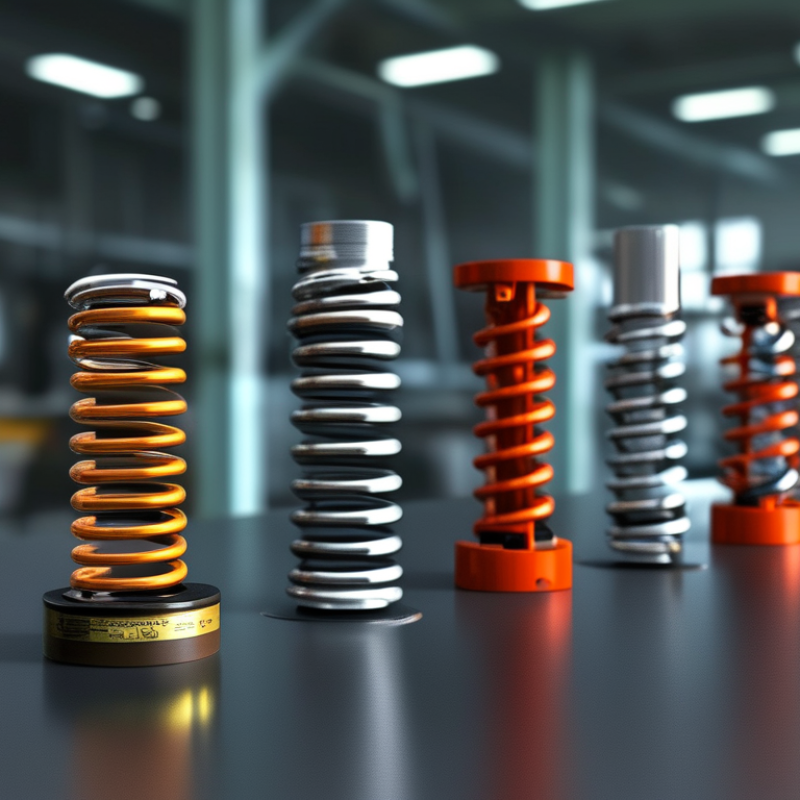
Spring seals are gaining popularity for sealing solutions across various industries. Their unique design allows for effective sealing in dynamic applications. These seals can adjust to different pressure levels, ensuring reliability and durability. They maintain performance even in fluctuating temperatures and harsh environments.
In hydraulic systems, spring seals prevent leaks, ensuring efficiency. They are essential in automotive applications, where engine components must withstand high pressure. Furthermore, in food and beverage industries, spring seals provide hygienic solutions without compromising product integrity. Their flexible nature adapts to changes, which reduces wear and tear over time.
Despite their advantages, spring seals may not be suitable for all situations. In high-speed applications, they might face limitations. Regular maintenance is also crucial to sustain their performance. Proper installation and monitoring can enhance their reliability. Users should evaluate their specific needs before implementation. This balanced approach leads to finding the right sealing solution.
Why Choose Spring Seals for Your Sealing Solutions Needs? - Benefits of Spring Seals in Various Applications
| Application | Material | Temperature Range (°C) | Pressure Range (MPa) | Key Benefits |
|---|---|---|---|---|
| Hydraulic Systems | Nitrile Rubber | -40 to 100 | up to 30 | Excellent sealing performance, low friction |
| Automotive Engines | Silicone Rubber | -50 to 200 | up to 25 | High temperature resistance, long-lasting |
| Pneumatic Cylinders | Polyurethane | -20 to 80 | up to 3 | Excellent wear resistance, flexibility |
| Food Processing | EPDM | -40 to 120 | up to 10 | Food safe, durable under harsh conditions |
| Oil & Gas Industry | Fluoroelastomer | -20 to 200 | up to 40 | Chemical resistance, high pressure tolerance |
Understanding the Mechanism of Spring Seals
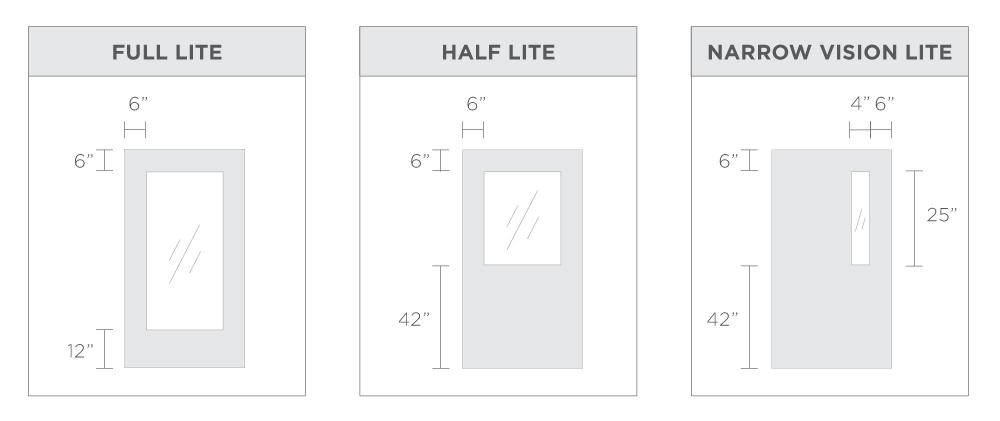
Spring seals are essential in various sealing applications. Understanding their mechanism reveals why they excel in performance. A spring seal consists of a flexible material and an embedded spring. This design allows for a constant sealing force, which adapts to changes in pressure and temperature.
When the temperature fluctuates, traditional seals may fail. However, spring seals maintain reliability under such conditions. The inherent tension from the spring compensates for any wear or deformation. This adaptability is crucial in high-pressure environments where leaks could lead to significant costs.
The simplicity of a spring seal belies its effectiveness. Installation is straightforward, but a wrong fit can lead to issues. Regular maintenance is necessary to ensure optimal performance. Relying solely on design may lead to oversight. Observing how seals function in real-world scenarios can provide insights for further improvements.
Comparative Analysis: Spring Seals vs. Traditional Sealing Solutions
Spring seals have gained popularity due to their innovative design and efficiency. They can adapt to various applications, unlike traditional seals. This adaptability often results in a better fit and improved performance. Traditional seals typically rely on static compression, which may lead to premature wear or seal failure. In contrast, spring seals maintain a constant pressure, providing a reliable barrier against leakage.
One major advantage of spring seals is their durability. They can withstand harsher conditions and have a longer lifespan. This longevity translates to lower maintenance costs and fewer replacements. Traditional seals might fail under extreme conditions or when subjected to vibrations. While they are effective for specific applications, they often lack the versatility of spring seals.
However, it’s essential to recognize that spring seals may still have limitations. They require precise installation to function correctly. In some cases, improper pressure settings can lead to inefficiencies. While spring seals excel in many areas, understanding their application is crucial. This awareness can prevent potential issues and ensure optimal performance.
Comparison of Spring Seals vs. Traditional Sealing Solutions
Factors to Consider When Choosing Spring Seals
When selecting spring seals for sealing applications, several critical factors must be evaluated. Spring seals are renowned for their ability to maintain a reliable seal under varying pressure and temperature conditions. According to recent industry reports, improperly chosen seals can lead to a failure rate of up to 30% in critical applications, severely affecting operational efficiency.
Material compatibility stands out as a major consideration. Different applications require seals that can withstand specific chemicals or temperatures. Not all materials offer the same longevity or resistance to deformation. Selecting the wrong material can result in premature seal failure, which could cost companies significant downtime.
Another key aspect is the design of the spring mechanism itself. A well-designed spring can adapt to changes in pressure, ensuring a tight seal even as conditions fluctuate. However, the complexity of these designs can sometimes be a double-edged sword. Overly complex solutions may complicate installation and maintenance. Balancing simplicity and effectiveness is crucial for optimal performance. Understanding these nuances can greatly influence the success of sealing solutions.
Maintenance and Longevity of Spring Seals in Industry
Spring seals are increasingly popular in industrial applications due to their unique design and functionality. These seals offer excellent maintenance and longevity under harsh conditions. Their spring-loaded mechanism allows for consistent pressure against the sealing surface, which helps to maintain optimal sealing performance over time. This reliability means fewer leaks and less downtime for maintenance.
When considering the maintenance of spring seals, it’s essential to perform regular inspections. While these seals are durable, wear and tear can occur due to environmental factors and operational stress. Operators should monitor factors like temperature and chemical exposure. These can impact seal life. Interestingly, some overlook simple maintenance tasks, leading to unexpected failures. A thorough understanding of materials and applications is crucial.
Moreover, understanding the limitations of spring seals is vital. While they can withstand a variety of conditions, they are not suited for every application. Evaluating the specific needs of the operation is key. Sometimes, over-reliance on technology without proper checks can lead to suboptimal performance. Continuous improvement in sealing solutions involves learning from past experiences and adapting practices accordingly.