Skip to content

Why Choose Dodecyltrimethoxysilane for Global Sourcing?

Global sourcing of Dodecyltrimethoxysilane requires more than comparing prices on a spreadsheet. Buyers must examine purity, hydrolysis behavior, packaging, documentation, and production consistency. These details influence adhesion, surface treatment, moisture resistance, and long-term product performance.

Dodecyltrimethoxysilane contains a long hydrophobic chain and three hydrolyzable methoxy groups. This structure supports compatibility with selected organic and inorganic surfaces. However, performance depends on formulation, substrate preparation, moisture control, and curing conditions. As silane coupling-agent authority Dr. Edwin P. Plueddemann emphasized, “The silane must fit the interface it serves.” That principle remains practical for international procurement.

A reliable supplier should provide batch-specific certificates, clear technical data, and realistic storage guidance. Inspect the drum, not only the brochure. Ask about manufacturing capacity, quality controls, lead times, and transport protection. Small packaging weaknesses can create larger problems after long-distance shipment. A damaged seal may introduce moisture. That risk is easy to underestimate.

Dodecyltrimethoxysilane can support durable surface modification when selected and handled correctly. Global sourcing may also improve supply flexibility and cost planning. Yet the cheapest offer is not automatically the best choice. Some comparisons remain incomplete because application testing is skipped. Buyers should request samples, define acceptance criteria, and evaluate performance under actual operating conditions. This approach connects technical evidence with commercial judgment. It also makes supplier relationships more transparent, resilient, and easier to audit.
Why Choose Dodecyltrimethoxysilane for Global Sourcing?

Dodecyltrimethoxysilane: Chemical Profile and Core Properties

Why Choose Dodecyltrimethoxysilane for Global Sourcing?

Dodecyltrimethoxysilane is a long-chain organosilane with formula C15H34O3Si and molecular weight 290.52 g/mol. PubChem identifies its trimethoxysilane structure and CAS number 3069-21-4. The molecule contains a reactive silicon group and a twelve-carbon hydrophobic chain. After controlled hydrolysis, silanol groups can bond with mineral surfaces. The alkyl chain then helps reduce surface energy and water penetration. It is moisture-sensitive.

Its value depends on process control, not only chemical identity. Hydrolysis rate changes with water content, pH, temperature, and storage time. In practical sourcing, sealed containers and batch-level testing matter. Check appearance, assay, moisture, viscosity, and hydrolyzable chlorine where relevant. Supplier specifications can vary more than expected. This is a point worth reviewing before approval.

The United Nations Environment Programme reports that global chemical production could double by 2030, increasing demand for traceable raw materials and safer handling systems (UNEP, Global Chemicals Outlook II, 2019). PubChem and regulatory dossiers should support identity verification, but they cannot replace incoming inspection.

Tips: Request a recent certificate of analysis, safety data sheet, and sample before ordering. Compare hydrolysis behavior under your actual formulation conditions. Ask for packaging compatibility and transport temperature data. Small pilot batches reveal problems that paperwork may hide.
How Dodecyltrimethoxysilane Supports Industrial Applications

Why Choose Dodecyltrimethoxysilane for Global Sourcing?

Dodecyltrimethoxysilane supports industrial applications through surface modification. Its C12 hydrocarbon chain adds water-repellent behavior to treated mineral fillers, glass, metals, and polymer surfaces. The trimethoxysilane groups can hydrolyze and bond with suitable inorganic substrates. This may improve filler dispersion, coating durability, and moisture resistance. Performance still depends on humidity, dosage, curing temperature, and substrate chemistry. It is not magic.

MarketsandMarkets reported that the global silanes market could grow from about USD 2.1 billion in 2023 to USD 3.0 billion by 2028. This growth reflects demand from construction, automotive, electronics, and advanced materials. For global sourcing, buyers should examine assay, water content, color, storage stability, and batch consistency. A low price can become expensive when coatings separate or composites absorb moisture. Practical testing should include water exposure, adhesion, and accelerated aging under relevant ASTM or ISO methods. Some specifications remain incomplete in real procurement work.

Tips: Request a certificate of analysis, safety data sheet, and representative samples. Compare at least three production batches. Check packaging seals and transport temperature records. Also, ask whether the supplier validates hydrolysis behavior after storage. According to technical guidance from chemical industry organizations, controlled moisture exposure is essential for silane handling. One overlooked detail is application timing. A formulation may work well in the laboratory yet fail on a fast production line. Small pilot trials are worth the extra week.

Why Choose Dodecyltrimethoxysilane for Global Sourcing?

Dodecyltrimethoxysilane is used as a hydrophobic surface modifier and adhesion promoter in coatings, mineral-filled polymers, primers, and composite materials. Its long alkyl chain supports water repellency, while the trimethoxysilane group can hydrolyze and bond with inorganic surfaces.

How it supports industrial applications: Representative formulation ranges typically remain below 3 wt%, allowing manufacturers to balance surface treatment performance, material compatibility, and formulation cost. Actual dosage depends on substrate type, moisture level, processing conditions, and required durability.

Key Benefits of Choosing Dodecyltrimethoxysilane Globally

Global sourcing of dodecyltrimethoxysilane can support more stable formulation planning. Its long alkyl chain helps create water-repellent surfaces after controlled hydrolysis and bonding. This property suits coatings, sealants, fillers, and selected composite systems. In practical formulation work, small dosage changes can affect wetting, dispersion, and final adhesion. Measure carefully. Small changes matter.

A wider supplier base may improve continuity when one region faces port delays, raw-material shortages, or capacity changes. Qualified sources can offer different package sizes, production schedules, and technical documents. Buyers should compare assay, hydrolysis behavior, appearance, moisture limits, and recommended storage conditions. Certificates alone are not enough. Request retained samples and run side-by-side tests under actual processing temperatures. This reduces scale-up surprises, although it adds time and testing costs.

Global purchasing may also improve cost control and technical access. Regional inventory can shorten replenishment windows, while local support may clarify handling, transport, and labeling requirements. Reliable suppliers should explain batch traceability and provide current safety documentation. Do not assume every grade performs identically. Variations in purity, water content, or packaging can change results. A disciplined approval process remains essential when specifications are incomplete or difficult to compare.

Why Choose Dodecyltrimethoxysilane for Global Sourcing? — Key Benefits of Choosing Dodecyltrimethoxysilane Globally
Evaluation Dimension Verified Technical Data Global Sourcing Benefit
Chemical Identity Dodecyltrimethoxysilane
CAS No.: 3069-40-7
A clearly defined chemical identity supports consistent supplier qualification, regulatory review, and cross-border purchasing documentation.
Molecular Formula C15H34O3Si The defined molecular composition helps procurement teams compare equivalent grades and verify technical documentation across different supply regions.
Molecular Weight 290.52 g/mol Its relatively high molecular weight is associated with a long hydrophobic alkyl segment, supporting durable surface-water-repellent performance in suitable formulations.
Functional Structure One dodecyl group and three methoxy groups attached to silicon The methoxy groups can hydrolyze and form silanol groups, while the dodecyl group contributes hydrophobicity. This dual functionality supports adhesion promotion and surface modification.
Hydrolysis and Condensation Complete hydrolysis can generate up to three molar equivalents of methanol per mole of silane; subsequent condensation can form siloxane bonds. The reaction mechanism enables chemical bonding or anchoring to suitable inorganic surfaces, improving formulation flexibility for coatings, fillers, composites, and treated substrates.
Reported Physical Form Liquid at ordinary ambient handling temperatures Liquid handling generally supports metered dosing, blending, and automated filling without the solid-powder processing steps required for many particulate additives.
Typical Density Range Approximately 0.88–0.90 g/mL at room temperature; confirm the value on the supplier certificate of analysis. A density range helps buyers estimate fill volumes, storage capacity, and transport quantities when comparing offers from multiple regions.
Thermal Handling Reported boiling point is approximately 285°C; exact values may vary with test method and purity. The relatively high boiling range can support processing in applications where moderate heat is used, subject to the product’s safety data sheet and formulation conditions.
Moisture Sensitivity Reactive with moisture through methoxy-group hydrolysis Global buyers can reduce quality variation by specifying moisture-controlled storage, tightly closed packaging, and clearly defined handling requirements in purchase documents.
Surface Performance Hydrophobic alkylsilane behavior after suitable application and curing The long C12 hydrocarbon chain can lower surface energy and improve water repellency, making the material relevant to protective and water-resistant surface treatments.
Application Versatility Used as a coupling agent, surface modifier, adhesion promoter, or hydrophobic treatment in appropriate systems One material can serve multiple formulation roles, helping international purchasers consolidate sourcing and reduce the number of specialty additives required.
Quality-Control Requirements Key checks may include identity, purity, water content, density, appearance, and viscosity; acceptance limits should be agreed before purchase. A standardized specification and certificate-of-analysis review process makes supplier comparison more objective and supports repeatable quality across borders.
Packaging and Storage Use moisture-resistant, tightly sealed containers and store according to the applicable safety data sheet. Clear packaging and storage controls help protect product performance during international transit, warehousing, and multi-stage distribution.
Regulatory and Transport Review Classification, labeling, transport status, and import requirements must be confirmed for the destination country and current product grade. Country-specific compliance checks reduce customs delays, prevent documentation gaps, and support more reliable global procurement planning.
Note: Physical-property values can vary by purity, test method, and supplier specification. Final purchasing decisions should be based on the current technical data sheet, safety data sheet, certificate of analysis, and destination-country regulations.

Quality, Compliance, and Supplier Evaluation Factors

Why Choose Dodecyltrimethoxysilane for Global Sourcing?

Quality begins with a precise material identity, not a polished brochure. Dodecyltrimethoxysilane requires confirmed purity, water content, hydrolysis behavior, and impurity limits. Ask for batch-specific certificates, chromatograms, and retention samples. ISO Survey 2023 recorded 1,265,216 ISO 9001 certificates worldwide, but certification alone cannot prove product consistency. A supplier should connect each batch to raw materials, production dates, test methods, and shipment records. Small gaps matter.

Compliance also needs destination-specific review. This silane can react with moisture and may release methanol during hydrolysis. Therefore, packaging, labeling, transport classification, and storage instructions deserve direct verification. Request a current safety data sheet in the importing country’s required language. Check applicable chemical registration, inventory, and workplace rules before ordering. UNEP’s Global Chemicals Outlook II projected global chemical production could double by 2030, increasing pressure on traceable and responsible supply chains. Volume growth does not reduce regulatory responsibility.

Supplier evaluation should include a technical questionnaire, sample testing, and a remote or on-site audit. Review moisture-barrier packaging, warehouse humidity records, complaint handling, and change-control procedures. I would also compare three recent batches, not one attractive sample. No checklist is perfect. A missing test may reflect poor control, or simply poor communication. That uncertainty should remain visible in the purchasing decision. Reliable sourcing means documented evidence, realistic lead times, and a corrective-action process that works after delivery.

Logistics, Cost Efficiency, and Global Sourcing Considerations

Why Choose Dodecyltrimethoxysilane for Global Sourcing?

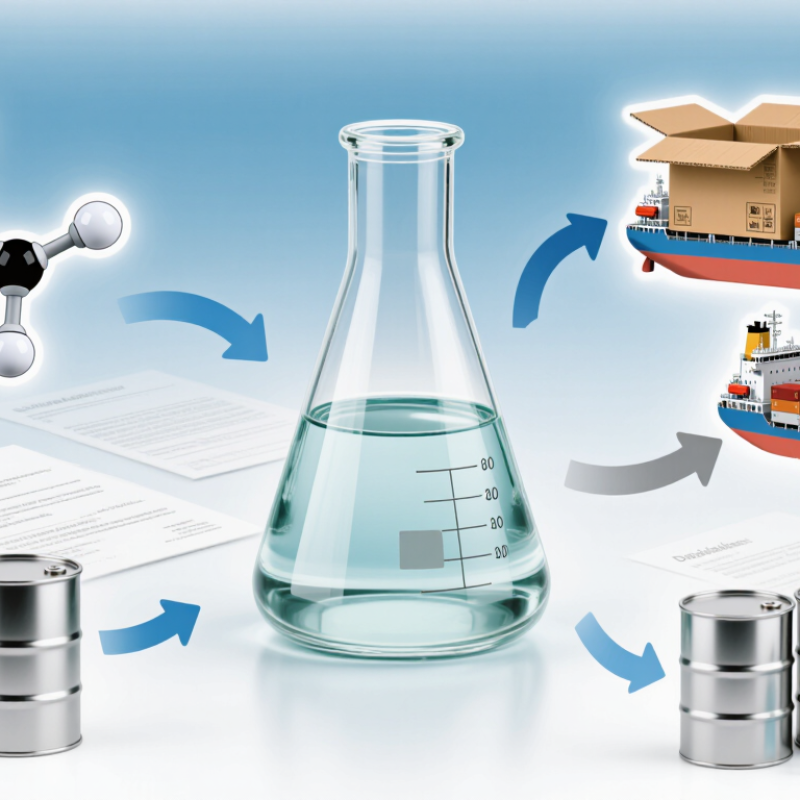
Dodecyltrimethoxysilane can support durable surface treatment applications when consistent quality matters. Global sourcing, however, depends on more than chemical performance. Its moisture-sensitive nature requires sealed packaging, dry storage, and careful loading procedures. Drums or intermediate bulk containers should be inspected before dispatch. A damaged closure can create avoidable losses.

Logistics costs include freight, insurance, customs duties, storage, and local handling fees. A low unit price can mislead buyers. Smaller shipments may reduce inventory pressure but increase freight per kilogram. Larger orders may improve pricing, yet they can raise storage risks and working-capital demands.

Requesting several delivery scenarios makes the landed-cost calculation more realistic. The cheapest quote is not always the most efficient choice.

Reliable global sourcing also requires a current safety data sheet, certificate of analysis, specification sheet, and traceable batch information. Buyers should confirm purity, appearance, packaging size, shelf life, and recommended transport conditions before purchase. Supplier audits and pre-shipment samples help verify production consistency. Lead times need practical buffers, especially during port congestion or seasonal capacity changes. Estimates remain imperfect. I would review them monthly, because exchange rates, freight rates, and warehouse fees can change quickly. A clear quality agreement can prevent costly arguments after arrival.