Why Choose Antique Stained Glass Panels for Your Home?
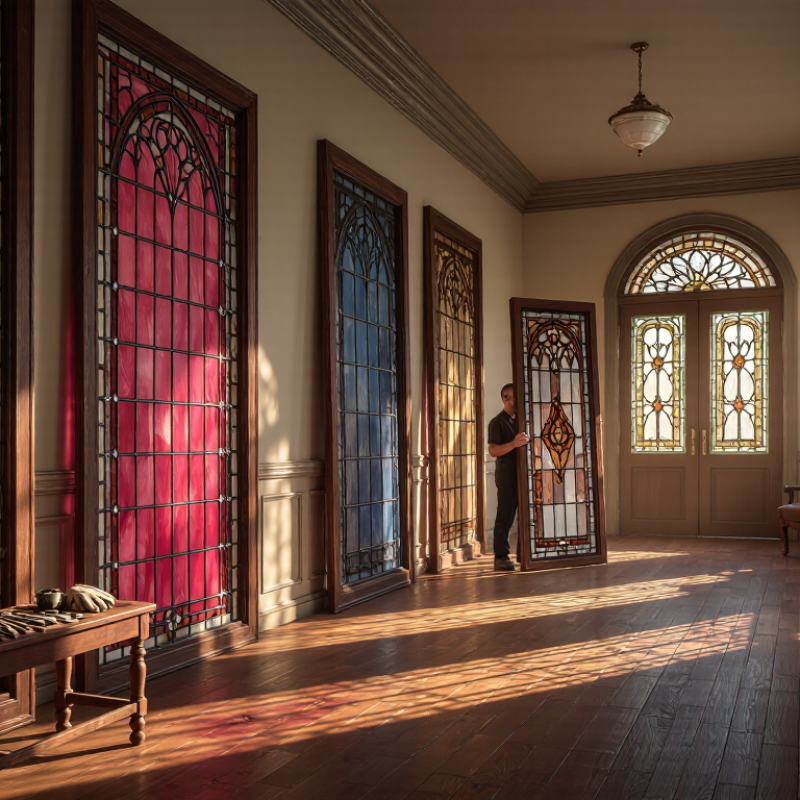
Antique Stained Glass Panels can give a home an atmosphere that modern décor often struggles to recreate. Their uneven textures, softened colors, and hand-crafted details add visual depth to ordinary spaces. Sunlight may pass through ruby red, amber, or smoky blue glass, casting changing patterns across a hallway floor. The effect feels personal rather than manufactured.
Their appeal is not limited to appearance. Many antique panels reflect the design language, materials, and craftsmanship of a particular period. Experienced restorers examine the glass, lead came, frame, and previous repairs before recommending installation. Provenance also matters. A documented history can support authenticity and help homeowners understand the panel’s cultural value.
Still, antique glass is not perfect. That is part of its character, but it can also create practical concerns. Small cracks, weakened joints, or uneven frames may require professional conservation. A qualified specialist can assess structural stability, improve weather protection, and suggest suitable secondary glazing. Local building requirements should also be checked before installation. A beautiful panel should not compromise safety, insulation, or long-term maintenance.
Choosing the right design requires patience. Consider the room’s natural light, surrounding colors, privacy needs, and architectural style. A panel that looks impressive in a shop may feel too dark beside a small window. That mistake happens. Careful measurements and an honest condition report can prevent expensive disappointment. With informed planning, Antique Stained Glass Panels can become lasting architectural features, combining historical character with thoughtful modern use.
What Defines an Antique Stained Glass Panel?
Why Choose Antique Stained Glass Panels for Your Home?
What Defines an Antique Stained Glass Panel?
An antique stained glass panel is defined by more than age. Its history, materials, craftsmanship, and condition matter equally. I would not call every old panel antique. Some are simply weathered reproductions.
Traditional panels often contain hand-blown or mouth-blown glass, lead came, uneven surfaces, and subtle color shifts. These details create visual movement as daylight passes across the room. Small bubbles, ripples, and faint tool marks may indicate older manufacturing methods. However, they do not prove authenticity alone. A qualified conservator should examine the glass, solder joints, frame, and repair history.
Age is only one clue.
The National Park Service’s Preservation Brief 33 explains that historic stained glass requires careful documentation before repair. Its guidance supports minimal intervention and compatible materials. That approach protects original evidence instead of making the panel look artificially new. The U.S. Department of Energy reports that windows can account for about 25% to 30% of residential heating and cooling energy use. Antique panels should therefore be installed thoughtfully, often with protective glazing or a secondary interior window. Their beauty should not create avoidable energy loss.
A strong panel may still show flaws. Slight bowing, repaired cracks, or softened lead can reveal decades of use. These imperfections deserve inspection, not automatic removal. Before purchase, ask for dimensions, provenance, photographs, and a condition report. The most reliable assessment combines historical research with hands-on technical experience.
How Antique Stained Glass Enhances Interior Character
Antique stained glass panels can give a home a character that new decorative glass often struggles to match. Their colors may shift gently across the surface, like softened amber, green, or blue under afternoon light. Small bubbles, uneven lines, and subtle patina reveal the maker’s hand. These details are not flaws alone. They create visual warmth and a sense of history.
The effect becomes stronger when the panel works with the room’s existing materials. A window beside aged wood can deepen its natural texture. A cabinet door with colored glass may turn ordinary storage into a focal point. Expert restoration should preserve the panel’s original character while improving safety and stability. However, antique glass is not always perfectly balanced. One section may appear darker than another. That irregularity can feel more human, though it may require thoughtful placement.
Tips: Check the glass in morning and evening light before installation. Ask a qualified restorer to inspect the frame, joints, and protective glazing. Keep strong furniture patterns nearby to a minimum. Too many competing details can weaken the panel’s presence. Clean gently with a soft cloth and mild solution. Avoid harsh chemicals. The surface may look durable, but old glass can be surprisingly vulnerable. Choosing a panel only for age can also be a mistake. Its scale, color, and condition should suit the room.
The Benefits of Choosing Antique Panels for Your Home
Why Choose Antique Stained Glass Panels for Your Home?
Antique stained glass panels bring texture, color, and visible craftsmanship into ordinary rooms. Morning light can scatter amber, cobalt, and ruby shapes across a wooden floor. Each panel carries small variations, including uneven glass, softened paint, or repaired leading. That imperfection is part of its character. It can make a hallway feel less manufactured and more personal.
The U.S. Department of Energy reports that windows can account for 25–30% of residential heating and cooling energy use. Antique panels are often single-glazed, so they should not be treated as automatic energy upgrades. A secondary glazing system can improve insulation while preserving the original surface. The National Park Service recommends protective glazing for historic stained glass, especially where weather exposure or condensation may cause damage. This approach also reduces handling and helps protect fragile painted details.
There is practical value here.
Antique panels can divide spaces without blocking daylight. A patterned panel beside a staircase may provide privacy while keeping the area bright. In restoration projects, conservators typically inspect the glass, lead came, frame, and previous repairs before installation. That step matters. I have seen beautiful panels lose impact when placed in harsh direct sun or fitted into unstable frames. Professional assessment costs more, but careless installation can cost much more. Choose a panel that suits the room’s scale, light direction, and existing materials, not merely one that looks impressive online.
Key Factors to Consider Before Purchasing
Antique stained glass can bring jewel-like color, uneven texture, and visible craftsmanship into a quiet room. Before purchasing, inspect the panel in daylight. Look for cracked glass, loose lead came, bulging sections, and dark corrosion around joints. Ask for its age, origin, repair history, and previous installation conditions. Provenance matters, but paperwork may be incomplete.
Performance deserves equal attention. The U.S. Department of Energy reports that windows can cause 25% to 30% of residential heating and cooling energy use. A single antique panel may perform poorly without secondary glazing, weather seals, or an insulated frame. Request measured U-factor and solar heat gain information when available. The National Fenestration Rating Council identifies these metrics as key indicators of window energy performance. Decorative beauty cannot replace them.
Check the frame depth, wall opening, moisture exposure, and local installation requirements before ordering. A qualified conservator should assess fragile solder joints and recommend reversible repairs. Avoid aggressive cleaning; old glass can scratch easily, and painted details may disappear. I have seen buyers focus on color while overlooking condensation marks behind the panel. That mistake becomes expensive. Also, ask whether protective glazing changes the panel’s appearance from inside and outside. Antique glass is rarely perfectly uniform. That is part of its character, but it can also reveal past damage.
Why Choose Antique Stained Glass Panels for Your Home?
Key factors to consider before purchasing
This practical screening scale rates the main purchasing considerations from 1 to 5. Structural condition, accurate measurements, safe installation, and light/privacy requirements should be checked before prioritizing decorative appeal or historical character.
How to Install and Maintain Antique Stained Glass Panels
Antique stained glass panels add filtered color, hand-cut texture, and visible history to a room. Installation demands more care than ordinary window replacement. The U.S. Department of Energy reports that windows can account for 25–30% of residential heating and cooling energy use. A secondary glazing layer can improve comfort without touching the original panel. Leave an air gap between both layers. Never force old glass into a rigid modern frame.
Begin with a condition inspection. Look for loose cames, hairline cracks, bowed sections, failed solder joints, and water marks. Photograph every detail before removal. A qualified stained-glass conservator should measure the opening and design flexible supports. The National Park Service’s Preservation Brief 33 recommends documenting historic glass and using protective glazing when appropriate. It also warns that poor ventilation can trap condensation. That mistake is easy to make.
During installation, use padded supports and avoid pressure around the edges. Sealants should remain compatible and, where possible, reversible. I would not clean an antique panel with ammonia, abrasive powder, or a hard brush. Use a soft natural brush and a slightly damp cloth instead. Keep water away from porous frames. Inspect the panel twice yearly, especially after storms. Watch for new sagging. Small defects can become expensive failures. Some maintenance advice feels overly cautious, but old glass rarely rewards rushed repairs. Get professional inspection every few years, or sooner when cracks, rattling, or moisture appear.
Why Choose Antique Stained Glass Panels for Your Home? - How to Install and Maintain Antique Stained Glass Panels
| Evaluation Dimension | Typical Information | Practical Benefit | Installation or Maintenance Guidance |
|---|---|---|---|
| Visual character | Hand-crafted glass may include subtle variations in color, texture, thickness, and lead lines. | Adds depth, historical character, and a distinctive focal point to a room. | Measure the opening carefully and design the surrounding frame to complement irregularities rather than forcing the panel into place. |
| Light transmission | Clear, opalescent, textured, and colored glass transmit different amounts and qualities of daylight. | Can provide privacy while retaining natural light. | Check the panel at different times of day before final placement, especially when used near a window or exterior door. |
| Panel condition | Possible conditions include intact glass, hairline cracks, bowed sections, weakened lead came, or loose cement. | A condition assessment helps prevent avoidable damage during installation. | Inspect both sides before handling. Do not lift a fragile panel by one corner or by individual lead lines. |
| Recommended support | Stained glass should be supported by a stable frame, stops, or a purpose-built secondary glazing system. | Reduces stress caused by movement, vibration, and the panel's own weight. | Use continuous edge support. Avoid relying on adhesive, unsupported putty, or point fasteners alone. |
| Thermal and moisture exposure | Rapid temperature changes, condensation, and water penetration can accelerate deterioration of old materials. | Proper separation from weather exposure helps preserve the panel. | For exterior openings, consider protective glazing or an internally ventilated system installed by a qualified professional. |
| Cleaning method | Dust and surface grime are best removed with gentle, low-moisture cleaning. | Minimizes the risk of damaging paint, patina, came, or deteriorated joints. | Use a soft brush or lint-free cloth. Apply a small amount of mild, pH-neutral cleaner to the cloth rather than spraying the panel directly. |
| Cleaning frequency | Indoor panels commonly need dust removal every 1–3 months, depending on room conditions. | Regular light cleaning avoids the need for aggressive scrubbing. | Clean more frequently in kitchens, entryways, or rooms with smoke and airborne grease. |
| Inspection schedule | A visual inspection every 6–12 months is a practical preventive-maintenance interval. | Early detection can limit the scope and cost of repairs. | Look for bowing, new cracks, loose came, open joints, rattling, corrosion, or water marks. |
| Handling precautions | Old glass and leaded assemblies may be more vulnerable than newly fabricated panels. | Careful handling lowers the chance of cracks and deformation. | Wear cut-resistant gloves, keep the panel upright during transport, and use two people for large or unstable panels. |
| Professional restoration | Complex repairs may involve releading, glass replacement, stabilization, or protective glazing. | Preserves original material while improving structural stability. | Consult a stained-glass conservator or experienced restorer when the panel is bowed, cracked, loose, or historically significant. |