Why Choose an Animatronic Ankylosaurus for Your Business?
An Animatronic Ankylosaurus can turn an ordinary visitor area into a memorable prehistoric encounter. Its armored back, low stance, and swinging tail create strong visual recognition. Visitors can see movement from several meters away. Children often notice the tail first. Adults usually photograph the head and textured scales.
The opportunity is measurable, although market figures differ. Grand View Research estimated the global animatronics market at approximately US$6.7 billion in 2023. Its report also projects continued growth through 2030. The TEA/AECOM Theme Index 2023 recorded 243.5 million visits across the world’s top 25 theme parks. These figures suggest sustained demand for immersive attractions, not guaranteed profit. A dinosaur alone cannot fix weak storytelling or poor maintenance.
Paleontologist Dr. Victoria Arbour has described ankylosaurs as more than simple “walking tanks,” emphasizing their distinctive armor and tail clubs. That perspective matters when designing a reliable display. Accurate proportions, controlled tail movement, and realistic skin textures can build credibility. A well-built model may support museums, family parks, shopping centers, and educational events. Its sound system can produce a deep warning call without overwhelming nearby visitors. Programmable pauses can also reduce mechanical strain and repetitive motion.
The business case needs honest testing. Measure dwell time, photo frequency, maintenance hours, and repeat visits. Some guests may prefer a quieter experience. That matters. An Animatronic Ankylosaurus should feel alive, not merely expensive. Its greatest weakness may be its novelty. Without educational content, the attraction can become another oversized photo prop. With careful operation and clear storytelling, it can become a durable brand asset.
What Is an Animatronic Ankylosaurus?
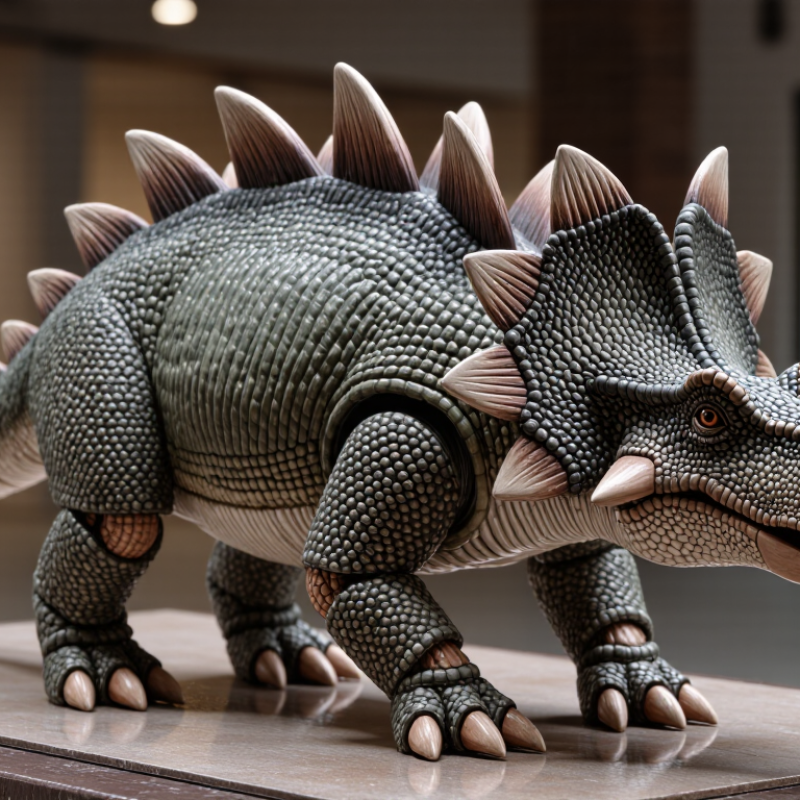
What is an animatronic Ankylosaurus? It is a programmable robotic dinosaur designed to imitate the armored herbivore’s appearance and behavior. Electric motors, pneumatic systems, and control software move its head, tail, legs, and mouth. Sensors can trigger movement when visitors approach. A molded outer skin adds scales, wrinkles, and realistic color changes. It feels more convincing when the tail moves slowly and the body makes subtle breathing motions.
This attraction can support museums, family entertainment centers, zoos, and themed retail spaces. The TEA/AECOM 2023 Theme Index reported 244.6 million visits across the world’s top 25 theme parks. That figure shows continued interest in immersive physical experiences. Grand View Research also estimated the global amusement parks market at approximately 60.94 billion dollars in 2023. An animatronic Ankylosaurus can turn a quiet display area into a photo point, learning station, or guided storytelling scene.
The machine still needs careful planning. It requires stable flooring, safe visitor distance, electrical protection, and scheduled inspections. Operators should check movement limits, sound levels, skin damage, and emergency stop functions. It is not magic. It is not maintenance-free. I would avoid promising perfect realism, because lighting, noise, and crowded spaces affect the experience. A detailed service record and clear operating instructions make the installation more reliable.
How Does an Animatronic Ankylosaurus Work?
An animatronic Ankylosaurus combines a reinforced internal frame, electric actuators, control software, and a realistic outer skin. The frame supports the body and tail. Servos usually move the head, jaw, legs, and tail. Some larger models use hydraulic systems for stronger movement. Every motion needs careful calibration.
A programmed controller coordinates movement, sound, lighting, and pauses. Sensors may detect nearby visitors or changes in the environment. When someone approaches, the dinosaur can turn its head, blink, growl, or swing its tail slowly. The controller adjusts timing between these actions. That timing matters. Perfectly synchronized motion can look artificial.
Power usually comes through a protected electrical system with emergency stops and accessible maintenance points. Technicians inspect cables, joints, motors, and skin connections before public use. Outdoor installations also need weather-resistant materials and drainage. Dust and moisture remain serious concerns. A small fault can cause jerky movement or unexpected noise.
In practical displays, natural movement is more valuable than constant movement. The Ankylosaurus should pause, shift its weight, and respond gradually. However, programming every detail takes time, and some movements may still appear mechanical. That limitation deserves honest testing. Staff should monitor the exhibit during busy periods and record unusual sounds, delays, or heat near the motors. Regular adjustments help preserve realism and visitor safety.
What Business Benefits Can It Provide?
An animatronic Ankylosaurus can turn an ordinary business space into a memorable visitor experience. Its moving tail, textured armor, and low mechanical sounds create an immediate visual anchor. This can increase dwell time, photo sharing, and conversations with staff. The 2024 Freeman Trends Report found that 91% of surveyed professionals viewed in-person experiences as valuable for achieving business goals. An animatronic display supports that goal by giving visitors something concrete to explore.
The commercial value extends beyond attention. Museums, family attractions, shopping centers, and educational venues can use the dinosaur for themed campaigns, ticket upgrades, workshops, or seasonal events. The EventTrack research series has reported that about nine in ten consumers feel more positive toward companies after live experiences. That figure does not guarantee sales. A dinosaur cannot repair poor service. It may also require transport, electrical access, inspections, and trained operators. These practical costs are easy to underestimate. A clear maintenance schedule and measurable targets improve reliability.
Tips: Place the Ankylosaurus near a natural visitor route, not in a hidden corner. Add a short fact panel, a photo zone, and a staff-led interaction. Track footfall, dwell time, social mentions, leads, and repeat visits before judging performance. Review results after four weeks. The first layout may be wrong. Change it. Use reputable engineering documentation, fire-safety guidance, and accessibility checks before public operation. The IAAPA Global Safety Report emphasizes structured risk management across attractions, so daily checks should cover movement zones, sound levels, cables, and emergency stops.
Why Choose an Animatronic Ankylosaurus for Your Business?
Illustrative planning assessment of potential business benefits on a 1–5 scale
An animatronic ankylosaurus can serve as a high-impact visual attraction for museums, family venues, exhibitions, events, and educational spaces. Its strongest potential benefits are audience attention, photo opportunities, repeat engagement, and flexible use across marketing and visitor experiences. The scores are practical planning estimates rather than company-specific performance data.
Where Can Businesses Use This Dinosaur Attraction?
Why Choose an Animatronic Ankylosaurus for Your Business?
Where Can Businesses Use This Dinosaur Attraction?
An animatronic Ankylosaurus can turn an ordinary space into a memorable prehistoric scene. Its armored body, swinging tail, and slow movements create strong visual interest for visitors. Family entertainment centers can place it near entrances, photo areas, or interactive learning zones. Museums and educational venues may use it to explain fossils, defense systems, and ancient environments. The attraction works best when staff provide accurate information beside it.
Retail centers can use the dinosaur during school holidays, seasonal campaigns, or family activity days. Hotels, restaurants, and tourism venues may create themed displays that encourage guests to stay longer. Trade shows can also use a compact model to attract attention from a busy aisle. However, size matters. A large figure may block walkways or overwhelm a small venue. Businesses should check floor strength, visitor flow, noise levels, and local safety requirements before installation.
Tips: Place clear barriers around moving parts. Keep emergency paths open. Use non-slip flooring under the attraction. Test the sound level during peak hours. A short guided story often feels more engaging than repeated mechanical movement. The display may not impress every visitor. That is normal. Regularly review visitor feedback, maintenance records, and accessibility needs. A thoughtful setting makes the Ankylosaurus feel like part of the experience, not just a large prop.
What Factors Should Buyers Consider?
Choosing an animatronic ankylosaurus starts with the business goal, not the dinosaur’s dramatic silhouette. A museum needs scientific proportion and quiet movement. A family attraction may value visibility, sound, and repeated audience interaction. Retail spaces need compact footprints and controlled volume. Measure the doorway, ceiling height, floor load, and visitor clearance before discussing design. Small errors become expensive on installation day. They really do.
Buyers should inspect the frame, skin, joints, motors, and control system. Ask what materials resist moisture, dust, and frequent cleaning. Request movement cycles, power requirements, noise readings, and maintenance intervals in writing. A reliable supplier should explain replacement parts, technician access, training, and warranty limits clearly. Not only appearance. Safety matters equally: moving tails and jaws need guarded zones, emergency stops, stable anchoring, and documented electrical compliance. Local inspection requirements can differ, so obtain advice from a qualified installer before purchase. Marketing images cannot prove durability.
Budget beyond the purchase price. Shipping, rigging, site preparation, storage, software updates, and annual servicing may change the calculation. Test the sound level in the actual room; a roar that excites outdoors may overwhelm a small lobby. Ask for a demonstration under realistic operating conditions. I would also request references from comparable venues, while remembering that one successful display is not universal evidence. The imperfect choice may be the quieter, simpler model. Plan realistically. It can run more consistently, invite closer viewing, and reduce staff intervention. That trade-off deserves honest review.