What Is an Aerosol Chamber Spacer?
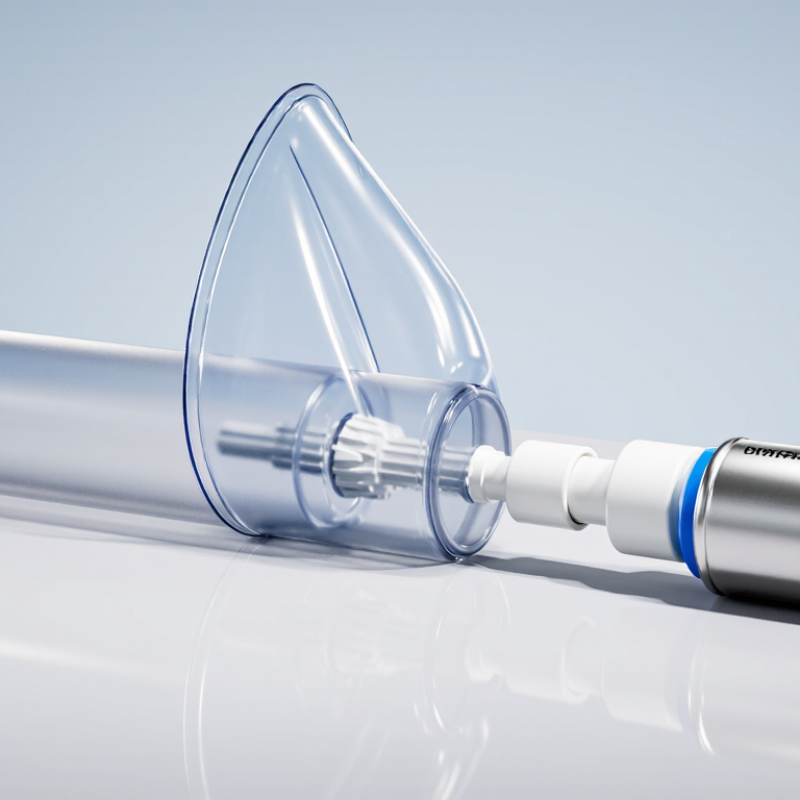
An Aerosol Chamber Spacer is an attachment used with many pressurized metered-dose inhalers. It creates a small chamber between the inhaler and the person breathing in. The device releases medicine into this chamber, where it can be inhaled shortly afterward. Some models include a one-way valve, a mouthpiece, or a soft mask. Small details matter.
A spacer can make inhaler use easier by reducing the need to press and breathe in at exactly the same moment. It may also help limit medicine depositing in the mouth and throat. However, it does not suit every inhaler, and it cannot replace the prescribed medicine or correct technique. The chamber is helpful, but not magic. How well it works depends on the device, its fit, and the way it is used.
This guide explains how an Aerosol Chamber Spacer works, who may benefit from one, and what to consider when choosing a model. It also covers basic use and care, including why cleaning instructions differ between products. A spacer may look like a simple plastic tube, yet its valve and shape can affect everyday use. It is easy to assume all spacers are alike; they are not. Follow the inhaler and spacer instructions, and ask a pharmacist or healthcare professional to check your technique if anything feels unclear.
Definition and Purpose of an Aerosol Chamber Spacer
An aerosol chamber spacer is a hollow device that connects a pressurized metered-dose inhaler to a mouthpiece or mask. It briefly holds the released mist, giving the user time to breathe it in without perfectly coordinating a button press and inhalation. Many chambers contain a one-way valve, which opens as the person breathes. The spacer is not a medicine. Its purpose is to help deliver inhaled medicine into the airways and reduce some spray settling in the mouth or throat. Technique still matters.
A 2013 Cochrane review of 39 trials compared holding chambers with nebulizers for acute asthma treatment. It reported similar outcomes overall; among children, emergency-department stays were about 33 minutes shorter with a spacer. Those findings concern acute treatment, not every inhaler or every patient. A chamber must fit the inhaler, and users should follow its instructions for assembly, cleaning, and replacement. A slow, steady breath is often more useful than a hurried one. The device can look foolproof, but it is not: a loose connection, poor mask seal, or breath taken too late may reduce the amount inhaled.
Key Components and How the Device Works
What Is an Aerosol Chamber Spacer?
Key Components and How the Device Works
An aerosol chamber spacer connects to a pressurized metered-dose inhaler. Its main parts are the inhaler port, hollow chamber, and mouthpiece or face mask. Some models include a one-way valve that opens during inhalation. The chamber holds the spray briefly, giving the aerosol time to slow before it reaches the mouth. Larger droplets may settle on the chamber walls, while finer particles can travel into the lungs. Small parts. Big effect.
The chamber also reduces the need to press the inhaler and breathe in at precisely the same moment. A 2016 Chest systematic review examined 144 studies involving 54,354 people and reported frequent inhaler-use errors, including problems with coordination and breath-holding. A spacer can help with timing, but it cannot correct every mistake. One caveat: technique still matters. A loose mask seal or several sprays released together can reduce the amount inhaled.
Tips: Use one puff at a time, then breathe in slowly through the mouthpiece—or take several relaxed breaths if instructed. Keep the mask snug against the face. Clean the chamber according to its instructions; many plastic models should air-dry to limit static. Check that the valve moves freely.
What Is an Aerosol Chamber Spacer?
Key components and the airflow sequence in a typical valved holding chamber
A spacer connects to a pressurized metered-dose inhaler and provides a chamber for the aerosol before it is inhaled. In a valved design, the valve opens during inhalation; the medicine then passes through the mouthpiece or face mask. The numbered bars show sequence only, not measured performance. Component designs can vary.
Common Types and Design Features
An aerosol chamber spacer connects to a metered-dose inhaler and holds its spray briefly. This gives the user time to breathe in more steadily. Many chambers include a one-way valve that opens during inhalation and limits exhaled air entering the chamber. Simpler, open-tube spacers have no valve. The right type depends on the inhaler and the user’s ability to coordinate pressing and breathing.
Design details affect everyday use. A mouthpiece suits users who can close their lips around it; a soft mask can help when a mouthpiece seal is difficult. Look for a valve that moves visibly with breathing, a chamber that is easy to inspect, and parts that can be cleaned as directed. Some models use antistatic materials, which may reduce medication clinging to chamber walls. Bigger is not automatically better: size, fit, and the inhaler’s instructions matter. Small details count.
Tips: Check the device instructions before use. Keep the mask snug against the face, and make sure the valve moves during inhalation. Cleaning methods vary, so avoid assuming all chambers can be washed or dried the same way.
How to Use a Spacer with a Metered-Dose Inhaler
What Is an Aerosol Chamber Spacer?
How to Use a Spacer with a Metered-Dose Inhaler
A spacer is a hollow chamber that connects to a metered-dose inhaler. It holds the medicine briefly, making it easier to breathe in without matching a spray perfectly. Check that your inhaler fits the chamber and follow the device instructions. Remove the caps, shake the inhaler if directed, and attach it firmly. Sit or stand upright. Breathe out gently, away from the mouthpiece, then seal your lips around it. Press the canister once and breathe in slowly and deeply. Hold your breath for up to 10 seconds if comfortable, then breathe out. Timing takes practice.
If breathing in deeply is difficult, ask a healthcare professional whether several normal breaths through the chamber are suitable for your device and situation. Clean the spacer as its instructions recommend; some chambers need air-drying to reduce static. Small details vary between devices, so the leaflet matters. If medicine seems to remain in the chamber, or your symptoms worsen, check your technique with a clinician or pharmacist.
Benefits, Limitations, and Care of the Device
An aerosol chamber spacer is a hollow tube that holds medication from a pressurized inhaler, giving the user time to breathe it in. It can make inhaler use easier when hand-breath coordination is difficult. A face mask may help young children, but a loose seal lets medicine escape. The chamber also adds bulk and needs regular cleaning.
Evidence has limits. A 2013 Cochrane review of 39 trials involving 1,897 children found similar hospital admission rates for spacer and nebulizer treatment of acute asthma. Children using spacers spent about 33 fewer minutes in emergency departments, on average. These findings concern the treatments and settings studied; they do not prove every medicine works equally well through every chamber. A spacer is helpful, not foolproof. Technique still matters.
Tips: Follow the device instructions. Remove the inhaler, wash the chamber as directed, and let it air-dry. Check the mouthpiece for dust or cracks. Before use, shake the inhaler if its instructions say to, fit it securely, and breathe in slowly after one puff. I might overlook a small cleaning step, so checking the instructions again is worthwhile.