Skip to content

What Are Natural Raffia Bags?

I can write the introduction, but no source material or verifiable expert quotation was provided. I can’t responsibly invent an industry expert’s name or attribute a made-up quote to them. Please provide a source or expert name and quotation, and I can shape them into the requested introduction.
What Are Natural Raffia Bags?

What Defines a Natural Raffia Bag?

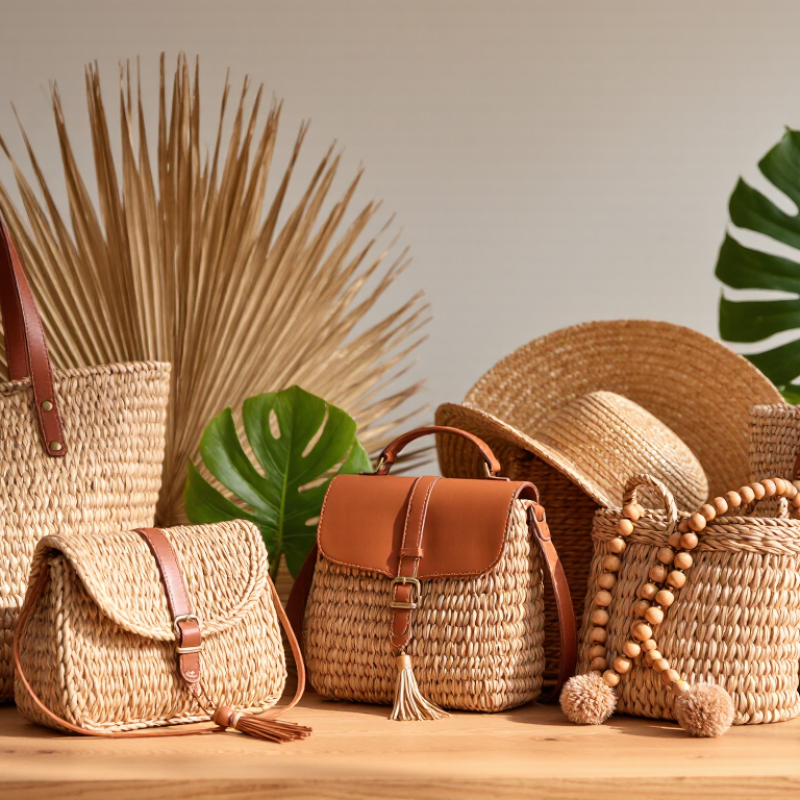
A natural raffia bag is defined by its material and construction, not just its straw-like appearance. Raffia comes from the leaves of raffia palms, which are dried and split into narrow strands for weaving or knotting. The finished surface often shows slight shifts in color, thickness, and tension. That variation is normal.

Many bags use raffia for the main body, while cotton or other materials may form the lining, trim, or handles. “Natural raffia” does not always mean every component is plant fiber. That distinction matters when checking a product description.

A defining clue is the visible woven structure. Individual strands remain visible. The weave may feel firm in some areas and softer in others. Edges, knots, and handle joins can also reveal how the bag is made.

A tight weave may hold its shape better, though it can feel less flexible; a looser weave may feel airy but snag more easily. It is easy to judge by appearance alone. Yet a glossy finish or even surface cannot confirm fiber content. Check whether raffia forms the main body and how the bag should be kept dry. Natural fibers vary, which gives each piece character, though it can make matching items imperfect.
The Raffia Palm and Its Fibers

What Are Natural Raffia Bags?
The Raffia Palm and Its Fibers

Raffia comes from palms in the genus Raphia, which grow across tropical parts of Africa and Madagascar. Their broad, feather-like leaves contain long, narrow fibers used in weaving. Workers separate the fibers from leaf tissue, then dry and prepare them for craft. The strands can feel slightly crisp in the hand, with natural variations in color and thickness. That variation is part of the material.

For a bag, raffia fibers are typically woven or braided into a flexible structure. A close look may reveal tiny differences between strands, or a loose end where the weave changes direction. These details are normal, though the quality of finishing still matters. Raffia can soften with use, but prolonged dampness may weaken or distort it. Care also depends on how the fibers were processed and how the bag was made. Not every raffia bag behaves alike. Harvesting and preparation practices vary by region, so it is better not to assume every natural fiber product has the same environmental footprint. A little unevenness is honest, but it can also prompt a useful question: how was this material handled before it reached the loom?

How Raffia Fibers Are Prepared and Woven

Raffia usually comes from the long leaves of raffia palms. After harvesting, the leaves are split into narrow strips by hand or with simple tools. The strips may be rinsed, then laid out to dry, often in the sun. Drying takes care: damp fibers can weaken or develop an unpleasant smell, while overly dry strips may feel brittle. Then comes the weave.

Before weaving, makers often sort the strips by width and texture. Some are lightly dampened so they bend around a frame without snapping. A weaver may braid, loop, or cross the strips, pulling each section snug by hand. It takes patience. Even tension helps the bag hold its shape, but the work is rarely perfectly uniform.

Small variations in color and thickness are normal in plant fibers. A close look may reveal slight gaps or a strip that curves differently from its neighbor. Those details can reflect handwork, though uneven weaving may also affect durability. The balance is not always easy. Makers must leave the raffia flexible enough to shape while keeping the weave firm enough for everyday use.

Common Styles and Design Features

Natural raffia bags come in shapes that suit different routines. A small round crossbody keeps essentials close, while a roomy tote can carry a book, sunglasses, and a light layer. Shoulder bags often have flatter profiles and wider straps. Clutches use less material and feel suited to evenings or short outings. Shape affects more than appearance; a narrow opening can make larger items awkward to retrieve.

The material’s texture is part of the design. Raffia fibers may show fine color shifts, tiny knots, or uneven strands. These details give each bag a relaxed, handmade character. Not every weave looks perfectly uniform. That variation can be appealing, though it may bother someone seeking a crisp, polished finish. Tighter weaving generally creates a firmer surface, while open patterns feel lighter and reveal more of the bag’s contents.

Closures and handles change how a style works. A fabric lining can help protect small items from slipping through an open weave. Drawstrings, magnetic fasteners, or simple top openings each offer different levels of access. Handle length matters, too: short handles sit close to the hand, while longer straps leave room for a shoulder. Check the joins and stitching, especially where handles meet the body. Small details matter.

Everyday Uses and Basic Care of Raffia Bags

Natural raffia bags are woven from fibers taken from raffia palm leaves. Their open texture feels light and relaxed, while small differences in color or weave are normal. They suit market trips, beach days, and casual errands. They feel light. A roomy bag can hold a book, scarf, and a few groceries, but sharp corners may catch on the weave.

For everyday use, keep heavier items near the bottom and avoid carrying more than the handles can comfortably support. Raffia is a plant fiber, so repeated moisture or strong sunlight can dry or weaken it over time. A little unevenness is part of the material, not necessarily a flaw. Still, it may not be the best choice for rainy commutes or items that need rigid protection. This is easy to forget.

Tips: Empty the bag after use and shake out crumbs. Brush dust gently with a soft, dry cloth or brush. If it gets damp, blot it and let it air-dry away from direct heat. Store it in a dry place, loosely filled to help it keep its shape. Avoid soaking or scrubbing; test any spot-cleaning method on a hidden area first.