Top 10 PVC Marble Sheet Manufacturers for Global Buyers?
PVC Marble Sheet has become a practical decorative surface for projects seeking the look of stone without natural stone’s weight. Its printed veins suit hotel lobbies, retail counters, kitchens, and wall panels when the finish matches the intended use. For buyers sourcing internationally, a supplier’s catalog is only one part of the decision. Thickness, surface gloss, backing material, sheet size, and protective film can all affect handling and installation. Small details matter. A sample can reveal uneven printing, rough edges, or a finish that looks different under warehouse lighting. These checks are useful before comparing price alone.
No single factory is best for every project. Not even close. Order volume, customization, lead time, export packaging, and communication standards can change the right choice. This guide introduces manufacturers for global buyers, not as a guarantee of identical performance. Readers should verify current specifications, certificates, production capacity, and sample consistency directly with each company. Ask how the PVC Marble Sheet is constructed and whether stated dimensions include tolerances. Request recent photos of packed orders, plus written details on warranty and after-sales support. Samples help. A careful comparison can reduce surprises, though it cannot remove every production or transit risk. The goal is to find suppliers whose documented capabilities fit the application, budget, and delivery schedule. Some information may change, so confirm key details before placing a commercial order.
What PVC Marble Sheets Are and How They Are Used
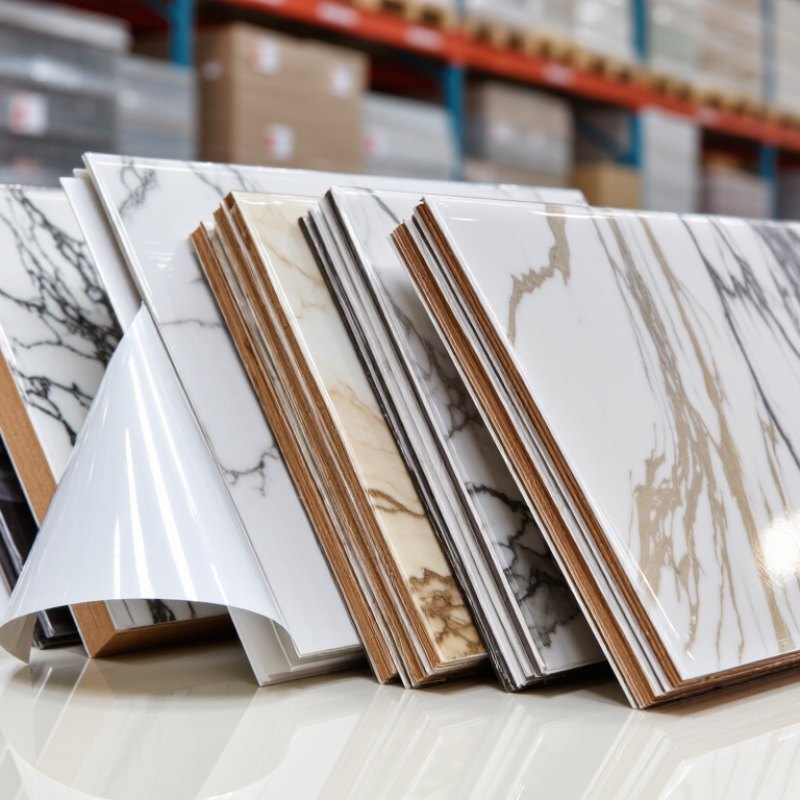
PVC marble sheets are lightweight decorative panels made with a PVC-based core and a printed surface that imitates stone. They offer a marble-like appearance without the weight or cutting demands of natural slabs. They are not stone. Surface finishes vary, from glossy patterns to softer, matte textures, so samples help buyers judge color and glare in actual room lighting.
These sheets are commonly used on interior walls, ceilings, and cabinet fronts. In kitchens, a panel can cover a clean, stable wall behind a work area; in bathrooms, it may serve as a wall finish where the product is rated for the conditions. Water resistance is not the same as a watertight installation. Joints, edges, and the surface behind the panel still need careful preparation, especially near sinks and showers.
Installation usually involves measuring, cutting, and fixing panels to a suitable, even substrate. A small misalignment can make printed veins look awkward across a joint. Details matter. Check thickness, surface durability, cleaning guidance, and documented fire-performance information before selecting a sheet. The finish can be practical and visually convincing, though it may scratch or feel less substantial than stone. That trade-off is easy to underestimate when choosing from a showroom sample.
Key Criteria for Choosing a PVC Marble Sheet Manufacturer
Choosing a PVC marble sheet manufacturer starts with evidence, not glossy slabs. Grand View Research estimated the global PVC market at USD 70.1 billion in 2023, but market size says little about sheet consistency. Request technical data sheets listing total thickness, wear-layer thickness, dimensional stability, and test methods. Compare results from multiple production batches, not just one showroom sample. Hold a sample under side lighting and inspect print alignment, edges, and surface pinholes. Small defects matter.
Environmental records and traceability also deserve scrutiny. VinylPlus’ 2024 Progress Report says 737,000 tonnes of PVC waste were recycled in Europe in 2023. That regional figure does not prove a specific sheet contains recycled material. Ask for a product-specific environmental declaration or independently verified recycled-content statement. For indoor projects, request emissions test results tied to the exact product construction. Paperwork can be stale. Check how the factory tracks color variation, flatness, packaging damage, and replacement claims. Keep an approved sample with its batch reference; it makes later comparisons less subjective. No checklist catches everything. A clear warranty should still define what counts as a defect.
Top 10 PVC Marble Sheet Manufacturers for Global Buyers
Global buyers comparing ten PVC marble sheet manufacturers should look beyond printed stone patterns. Batch consistency matters more than a dramatic showroom sample. Ask for thickness tolerance, sheet weight, surface-film details, and written inspection records. Request production-lot samples, not only a hand-selected display panel. Details matter. Check whether colors and gloss remain consistent across several sheets. A glossy sample can still hide uneven backing or weak edge quality.
Grand View Research’s Polyvinyl Chloride Market Size, Share & Trends Analysis Report estimated the global PVC market at about US$60.2 billion in 2023. It forecast a 3.8% compound annual growth rate from 2024 to 2030. This broad market figure does not measure marble sheets alone, but it shows the scale of the material supply chain. For a manufacturer shortlist, buyers can compare documented capacity, export packaging, lead times, and response quality. Ask how sheets are protected against corner damage during shipment. Confirm that stated dimensions match the delivered goods. Small inconsistencies can complicate installation. Factory audits and independent product testing add confidence, though they take time and may not reveal every production issue. A careful shortlist should weigh evidence, not just price or polished product photos.
Top 10 PVC Marble Sheet Manufacturers for Global Buyers
Common nominal thickness options for PVC marble sheets are shown as buyer reference points, not as a ranking or comparison of manufacturers. Actual availability varies by supplier; confirm product specifications before purchase.
How Leading Manufacturers Compare in Products and Export Services
Comparing PVC marble sheet manufacturers means looking beyond glossy catalog photos. Check sheet thickness, surface finish, core consistency, and how clearly each supplier lists product specifications. Request physical samples to assess print detail, edge quality, and color variation under ordinary indoor lighting. Small differences matter. Ask whether the finish resists routine cleaning and light abrasion, and request test information where available. A confident answer should include practical limits, not just broad promises.
Export service can be just as important as product range. Compare response times, sample arrangements, packing details, and the documents supplied for shipment. Ask how sheets are protected against scratches, moisture, and corner damage during transit. Confirm carton dimensions and loading plans before placing a large order. One detail is easy to miss: a low quoted price may exclude protective packaging or inland handling. Delivery estimates can also shift, so get the expected timeline in writing.
Tips: Send the same specification sheet to every shortlisted manufacturer. Include thickness, panel size, finish, quantity, destination port, and packaging needs. This makes quotations easier to compare. Request a sample from the intended production batch when possible. Keep notes on unanswered questions, too. A supplier may offer many designs but provide limited technical support; that trade-off deserves a second look. Export experience helps, but clear communication still needs checking.
How to Verify Suppliers and Prepare for International Orders
A polished catalog can still hide uneven thickness. When comparing PVC marble sheet manufacturers, ask for a recent sample from the same production line planned for your order. Check its thickness with a caliper, inspect the printed surface under daylight, and test whether the protective film lifts cleanly. Small details matter.
Verify the supplier’s registered business details, production address, and export experience. Request dated production photos or arrange an independent factory inspection. Ask for test reports that match the exact product specification, and confirm who issued them. A report for a different thickness or finish may not answer your real question. It is easy to overlook this.
Before placing an international order, agree on sheet dimensions, color tolerance, packing method, and acceptable defect limits in writing. Confirm the price basis, payment schedule, lead time, and named delivery point. Ask for photos of loaded pallets and clear labels before shipment. Check that the shipping documents match the order, including quantities and product descriptions. Allow time for a pre-shipment inspection; rushed checks often miss corner damage or surface scratches. No checklist is perfect, so keep a small contingency for delays and clarify how claims will be handled before production begins.