China Top Heavy-Duty Sliding and Folding Door Suppliers?
Selecting China’s leading suppliers of Heavy-Duty Sliding & Folding Doors takes more than comparing catalog photos or headline prices. These systems must move smoothly under substantial loads, seal against wind and rain, and withstand repeated daily use. Small details matter. A roller that chatters, a threshold that traps grit, or a loose handle can reveal weaknesses long before a brochure does.
For a practical supplier comparison, documented evidence matters. Quality-management expert W. Edwards Deming’s well-known reminder is, “In God we trust; all others must bring data.” Applied here, that means asking suppliers for tested load ratings, hardware specifications, finish options, production tolerances, and clear warranty terms. Request drawings and installation guidance, too. Check how each company handles custom openings, replacement parts, and after-sales support. A polished sample is useful, but it cannot show how a full-width folding system behaves after years of operation. Ask for project references that match your building type and climate. Verify claims with current documentation, since product lines and test results can change. Even a capable manufacturer may not suit every project. This guide introduces Chinese suppliers and the questions that help distinguish practical capability from confident marketing. The comparison has limits: published specifications do not replace an on-site assessment. Use them as a starting point, then confirm the details with your project team.
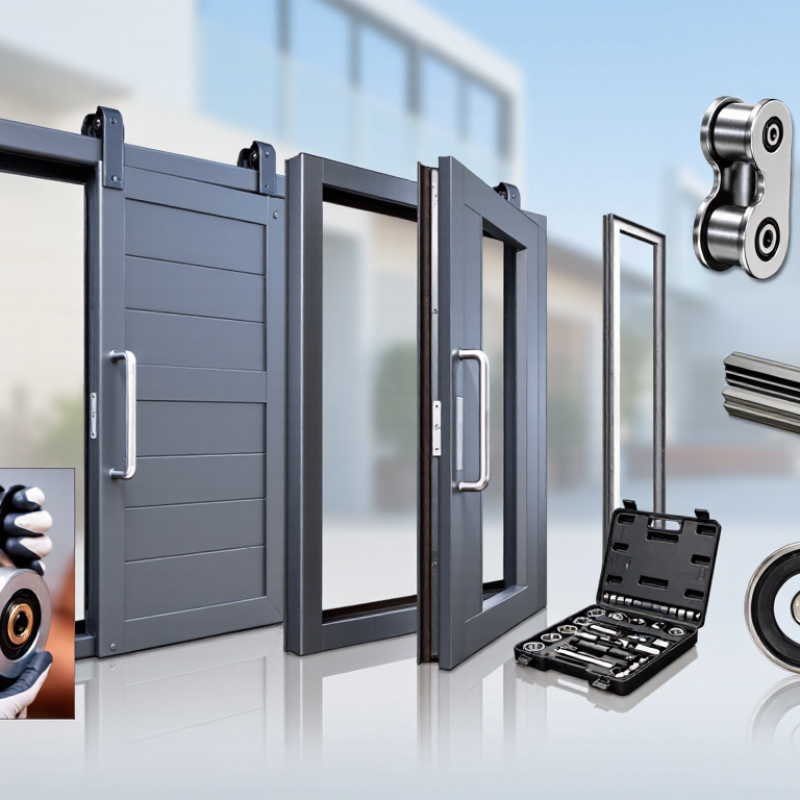
What Heavy-Duty Sliding and Folding Door Suppliers Provide
Heavy-duty sliding and folding door suppliers provide door panels, tracks, frames, and hardware designed for frequent use and substantial loads. They can advise on opening width, panel weight, stacking direction, and the space needed for operation. Clear measurements matter. A few millimeters can affect alignment, especially across a long track. Many suppliers also prepare layout drawings and recommend rollers, hinges, handles, and locking components to suit the project.
Useful suppliers provide material and finish options, load information, installation guidance, and replacement-part support. They may share samples or test details, but buyers should check that the stated performance matches the actual opening size and site conditions. Ask how the track is fixed, how panels are adjusted, and what maintenance the rollers require. Details help. Packaging and delivery planning matter too, since long profiles can bend if poorly supported. A specification sheet is helpful, but it cannot reveal every installation challenge. Even experienced teams sometimes overlook floor level or wall tolerance; suppliers should be willing to discuss those limits before production.
What Heavy-Duty Sliding and Folding Door Suppliers Provide
Typical supplier scope covers product design, door panels, operating hardware, sealing components, and installation documentation.
This checklist summarizes common deliverable categories, not a market survey. Actual scope varies by supplier, door system, and project requirements.
Key Materials, Designs, and Performance Features
Heavy-duty sliding and folding doors depend on more than a thick frame. Material choice affects weight, corrosion resistance, maintenance, and how smoothly panels move. Aluminum is relatively light and resists rust, while steel can suit applications needing greater rigidity. The right option depends on opening size, traffic, and exposure to moisture. Still, thicker is not always better.
Look closely at the panel design. Reinforced corners, well-fitted joints, and properly aligned tracks help prevent sagging and uneven movement. For wide openings, multiple folding panels can create a broad clear passage, but each hinge and connection adds another point that needs inspection. Sliding systems save swing space. Their tracks must stay clear of grit and small debris. A few grains can matter.
Performance also comes from the hardware. Rollers should match the door’s weight, and handles should feel secure without requiring excessive force. Weather seals can reduce drafts and water entry, though they cannot compensate for poor installation. Ask suppliers for load ratings, material specifications, maintenance guidance, and details about replacement parts. If possible, operate a sample door and listen for grinding or rattling. Small flaws often show up in motion before they appear on a specification sheet.
Industries and Applications Served by Chinese Suppliers
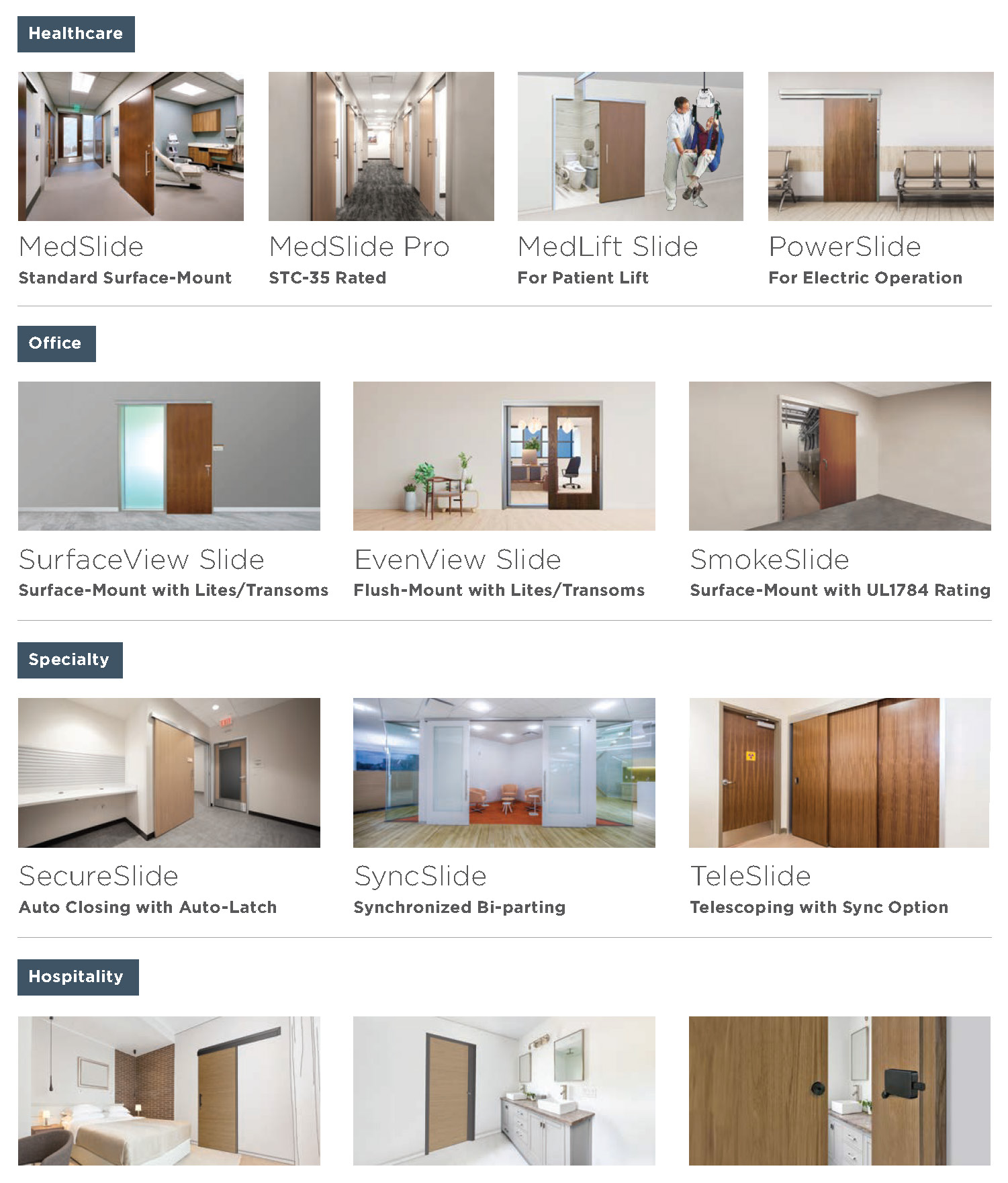
Chinese suppliers of heavy-duty sliding and folding doors serve warehouses, factories, logistics centers, and large commercial buildings. In a distribution warehouse, wide sliding panels can keep forklift routes clear while separating loading areas. Folding doors may suit workshops where a full-width opening is needed for equipment or oversized materials. Details matter.
Food-processing and cold-storage facilities often require doors that tolerate frequent cycles, temperature changes, and routine cleaning. Agricultural buildings may need durable panels for machinery access and exposure to dust or moisture. The right configuration depends on the site, not just the opening size. Track layout, panel weight, clearance, and daily use all affect performance.
For project teams, supplier discussions should cover measured opening dimensions, expected operating cycles, materials, hardware, and installation conditions. Ask for drawings and documented load information, then compare them with the actual building requirements. A specification can look complete on paper, yet overlook uneven floors or limited headroom. That happens. Reviewing these details early helps reduce fitting problems, though site conditions can still change the plan.
How to Evaluate Supplier Quality and Manufacturing Capabilities
A supplier’s brochure is only a starting point. Ask for recent test reports covering air leakage, water penetration, structural load, and operating force for the exact door configuration. A folding system with six panels may perform differently from a two-panel sample. Check whether test results identify the frame material, glass build-up, hardware, and tested dimensions. Missing details matter.
Tips: Visit the factory, or request a live video walkthrough. Watch how workers align hinges, fit rollers, and seal frame corners. Ask for batch records and inspection criteria. Request references for projects in a similar climate. Small inconsistencies can reveal weak process control.
Manufacturing capacity is not just floor space. Review equipment maintenance logs, staff training, production lead times, and how defects are recorded and corrected. The U.S. Department of Energy’s Energy Saver guidance estimates that windows account for about 25–30% of residential heating and cooling energy use through heat gain and loss. This is not a door-specific figure, but it shows why verified glazing and airtightness data deserve attention. Ask suppliers to explain test results in plain language, including limitations. A clean sample is reassuring, but not proof of consistent output; I would still inspect production units before approval.
Comparing Quotes, Certifications, Lead Times, and After-Sales Support
When comparing China’s heavy-duty sliding and folding door suppliers, request quotes against one shared specification. List opening dimensions, frame material, panel weight, glass type, track design, and hardware load rating. Ask whether installation accessories and export packaging are included. Details matter. A low price can look attractive until the quote excludes reinforced tracks or spare rollers.
Check certifications and test documents for the exact door system being quoted, not just the factory. Confirm the issuing body, validity, and product scope, then ask for relevant reports on performance such as air or water resistance where needed. Lead times should be broken down by drawing approval, sample confirmation, production, inspection, and shipment. A stated “30 days” may not include approval delays. Get the start point in writing.
After-sales support deserves the same scrutiny as price. Ask how quickly the supplier responds to technical questions, whether replacement rollers and seals can be ordered, and what installation guidance is available. Keep warranty terms and response expectations in the purchase record. A spreadsheet helps, but it can hide differences in scope; comparing identical specifications takes more effort, and I would still allow time for one extra clarification round.
China Top Heavy-Duty Sliding and Folding Door Suppliers? - Comparing Quotes, Certifications, Lead Times, and After-Sales Support
| Comparison Dimension | What to Compare | Useful Benchmark or Evidence | Buyer Verification |
|---|---|---|---|
| Quote Scope | Door panels, tracks, frames, hardware, seals, finish, packing, installation accessories, and any motor or controls. | A comparable quotation identifies included and excluded items, quantities, dimensions, currency, Incoterm, payment terms, and quotation validity. | Compare offers against one shared specification and drawings. Check whether installation, taxes, freight, and commissioning are excluded. |
| Door Configuration | Sliding or folding arrangement, number of leaves, opening direction, stacking space, and manual or powered operation. | Shop drawings should show the opening, clear passage, panel layout, track arrangement, and operating clearances. | Confirm site dimensions, structural support, floor level, wind exposure, and whether the proposed layout preserves the required clear opening. |
| Load and Duty | Panel weight, track and trolley capacity, operating frequency, and expected service conditions. | Request rated capacities and supporting calculations or test documentation for the complete door system—not just individual hardware components. | Match the stated duty to the project’s panel weight, operating cycle, exposure, and maintenance plan. |
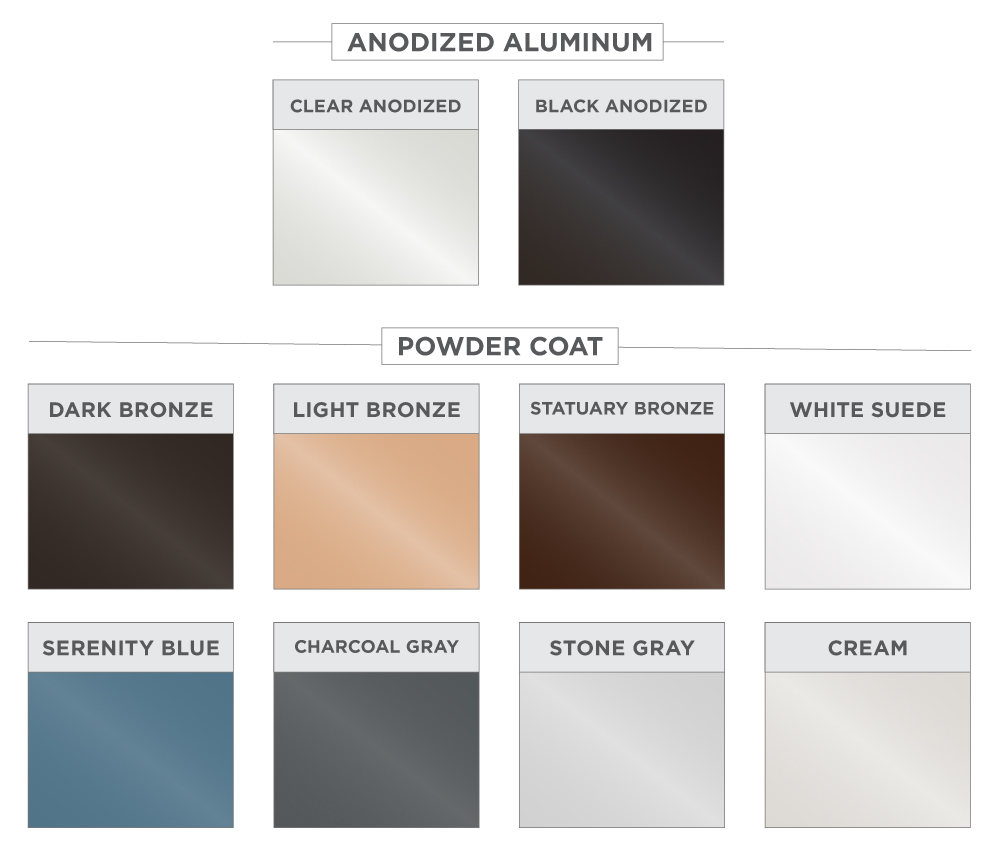
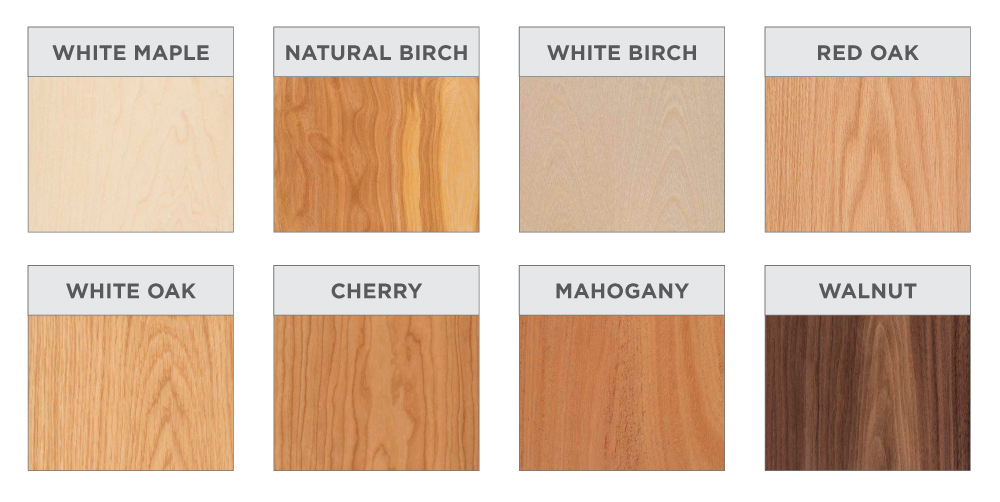
| Materials and Finish | Frame and panel materials, corrosion protection, coating system, seals, fasteners, and hardware grade. | Material specifications should state the material type, thickness, finish or coating, and any relevant test or inspection method. | Confirm suitability for indoor, coastal, humid, washdown, or other site conditions. Request finish samples where appearance matters. |
| Certifications and Standards | Quality-management certificates, product documentation, and market-specific safety or conformity requirements. | ISO 9001 relates to a quality-management system; it is not a product-performance certificate. EN 13241 covers industrial, commercial, and garage doors and gates in relevant European applications. Powered-door requirements depend on the product and market. | Check certificate validity, issuing body, scope, manufacturing site, and whether the offered door configuration is covered. Confirm applicable local requirements with the project’s compliance professional. |
| Safety Features | Stops, guards, handles, anti-drop measures, pinch-point protection, and operator safety devices where powered. | Request the risk assessment, operating instructions, safety-device details, and test records applicable to the supplied configuration. | Verify that safety provisions suit the door’s operation, installation environment, and applicable destination-market rules. |
| Lead Time | Drawing approval, production, inspection, packing, and transport are often separate schedule stages. | For planning, custom orders may require several weeks of production after approved drawings and agreed order release; shipping and customs add time. No single lead time applies to every project. | Ask for a dated schedule with approval deadlines, production milestones, shipment terms, and the consequences of late design changes. |
| Quality Control | Incoming-material checks, dimensional inspection, trial assembly, operation checks, and packing inspection. | Request an inspection and test plan, inspection records, approved drawings, and dated pre-shipment photographs or video. | Agree in writing on acceptance criteria, inspection timing, nonconformance handling, and responsibility for any third-party inspection. |
| After-Sales Support | Warranty terms, spare-parts availability, technical response, installation guidance, and replacement-part identification. | A useful support package states warranty duration and exclusions, response channel, parts lead time, and the documents supplied with the door. | Confirm how claims are handled, who pays for replacement parts and freight, and whether remote or on-site technical support is available. |
| Shipping and Packing | Export packing, loading method, shipment volume, delivery term, and damage-prevention measures. | Request packing dimensions and weight, packing photos, stated Incoterm, and a clear division of responsibility for transport and insurance. | Check container or freight assumptions and confirm how transit damage must be documented and reported. |
| Quote Evaluation | Total delivered cost, specification compliance, schedule risk, documentation, and support—not unit price alone. | Use a common comparison sheet and record deviations, exclusions, assumptions, and unanswered questions for each offer. | Shortlist only offers that meet the required opening, duty, safety, compliance, delivery, and service criteria. |
Note: Lead times, compliance obligations, and required documentation vary by door design, order quantity, destination market, and shipping method. Confirm project-specific details in the supplier’s written quotation and technical submittal.