China Best Alzheimer Biomarker Panel Manufacturers for Buyers
Choosing a China-based supplier for an Alzheimer Biomarker Panel calls for more than comparing prices or catalog images. Buyers need to know what each panel measures, how results are validated, and whether the intended use fits their laboratory or clinical workflow. Typical targets may include amyloid-beta and phosphorylated tau, but marker combinations and methods vary. Small differences in sample handling can matter. A polished brochure cannot settle those questions.
Dr. Eric Reiman, an Alzheimer’s disease researcher, has said, “The best time to treat Alzheimer’s disease is before symptoms begin.” That goal makes reliable measurement important, but a biomarker panel alone does not diagnose every patient or replace clinical assessment. Buyers should request analytical performance data, specimen requirements, lot-to-lot consistency information, and clear documentation of intended use. They should also check manufacturing quality systems, technical support, and delivery conditions. These details are especially useful when comparing domestic suppliers with different assay formats. Ask for evidence, not promises.
There is no perfect checklist. A product may perform well in one setting and prove less suitable in another. Requesting a demonstration, reviewing validation reports, and discussing workflow limits can reveal gaps before purchase. The guide below outlines practical ways to assess Chinese manufacturers and make a careful, evidence-led choice.
Understanding Alzheimer’s Biomarker Panels and Their Clinical Role
Alzheimer’s biomarker panels combine measurements that help clinicians assess disease-related changes; they do not diagnose every patient on their own. Common targets include amyloid-beta 42/40, phosphorylated tau, total tau, and neurofilament light. Some panels use cerebrospinal fluid, while blood-based tests offer a less invasive collection option. Each result needs interpretation alongside symptoms, medical history, and, when appropriate, imaging.
The World Health Organization’s 2021 Global Status Report estimated that 55 million people worldwide were living with dementia, with nearly 10 million new cases each year. This scale increases demand for reliable testing, but a larger panel is not automatically a better one. Buyers should examine analytical sensitivity, precision, sample requirements, reference ranges, and evidence from clinically relevant populations. Ask how the laboratory handles borderline results. Small differences matter.
Clinical frameworks increasingly distinguish biomarkers of amyloid, tau, and neurodegeneration, rather than treating them as interchangeable signals. A panel may support assessment or help guide further evaluation, but performance can vary across populations and testing methods. The Alzheimer’s Association’s 2024 Facts and Figures report estimates that 6.9 million Americans aged 65 and older live with Alzheimer’s dementia. Still, biology is messy. Even a well-validated result cannot replace clinical judgment; manufacturers should provide transparent validation data, clear limitations, and practical guidance for interpreting results.
Key Biomarkers, Assay Formats, and Testing Technologies
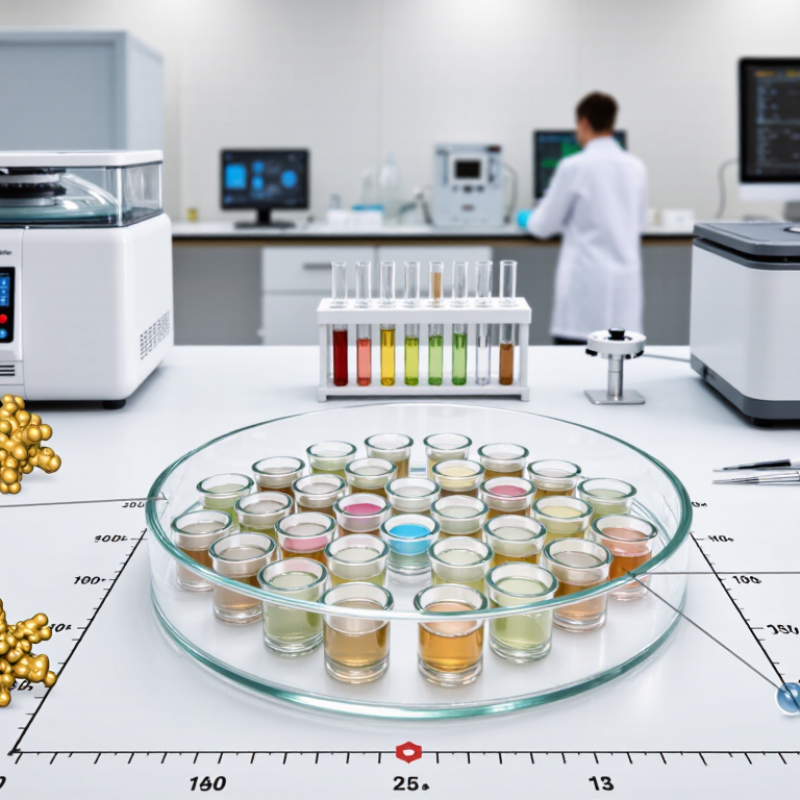
For buyers evaluating Alzheimer biomarker panel manufacturers in China, the analyte list is only part of the decision. Common targets include Aβ42/40, phosphorylated tau such as p-tau181 or p-tau217, total tau, neurofilament light, and GFAP. Not every panel needs every marker. The intended sample type matters: cerebrospinal fluid and plasma can require different validation, sensitivity, and handling procedures.
Assay formats vary. ELISA kits can suit laboratories with established plate-based workflows, while chemiluminescent assays may support automated processing. Multiplex immunoassays measure several targets from a smaller sample, but buyers should check cross-reactivity and each analyte’s validated range. Some laboratories also use mass spectrometry for amyloid peptide measurement. It can offer analytical specificity, though it may require specialized equipment and trained staff. Details matter.
Ask manufacturers for sample-volume requirements, detection limits, precision data, and lot-to-lot consistency. Review validation results for the population and specimen type you plan to test; performance in one setting does not guarantee performance in another. Clear instructions for storage, freeze-thaw limits, calibration, and quality controls are practical signs of a well-documented product. Still, paperwork is not the whole story. A pilot run with blinded samples can expose workflow issues that a brochure may miss.
China’s Alzheimer’s Biomarker Panel Manufacturing Landscape
China’s Alzheimer’s biomarker panel manufacturing landscape includes suppliers with different strengths in assay development, reagent production, and laboratory support. Panels may measure markers such as amyloid-beta 42/40, phosphorylated tau, GFAP, or neurofilament light. The exact combination varies. So does the evidence behind each assay.
For buyers, practical details matter. Ask how manufacturers validate analytical sensitivity, precision, and lot-to-lot consistency. Request sample reports showing calibration ranges and quality-control results. Check whether the intended sample type is plasma, serum, or cerebrospinal fluid; performance may differ across them. Clear instructions for storage and handling are useful, especially when samples travel between sites.
China’s supplier landscape is not perfectly uniform. Some manufacturers emphasize research-use panels, while others may offer broader technical documentation and customization. Compare evidence, not just analyte lists or quoted prices. A polished brochure is not validation. Ask about independent evaluations, inter-laboratory testing, and technical support after delivery. Biomarker panels can inform research, but results need careful interpretation and should not be treated as a diagnosis on their own. Even with strong documentation, gaps can remain. That deserves a closer look.
China Best Alzheimer Biomarker Panel Manufacturers for Buyers - China’s Alzheimer’s Biomarker Panel Manufacturing Landscape
| Panel segment | Common biomarkers | Typical specimen | Assay formats used in the field | Clinical role and evidence considerations | Buyer evaluation points |
|---|---|---|---|---|---|
| Core amyloid panel | Amyloid-beta 42 (Aβ42), Aβ40, and the Aβ42/Aβ40 ratio | Cerebrospinal fluid (CSF); plasma versions are also under clinical development and use in some settings | Immunoassays and other validated protein-measurement platforms; methods are not automatically interchangeable | A lower CSF Aβ42/Aβ40 ratio is associated with cerebral amyloid pathology. Interpretation depends on the assay, validated cutoffs, and clinical context. | Check specimen-tube requirements, handling stability, analytical precision, cutoff validation, and whether performance was established against an appropriate reference method. |
| Phosphorylated-tau panel | p-tau181, p-tau217, and, in some research or clinical assay settings, p-tau231 | CSF or plasma, depending on the assay | Antibody-based immunoassays and other high-sensitivity protein measurement methods | Phosphorylated tau biomarkers can support assessment of Alzheimer-related pathology. Performance and intended use vary by analyte, assay, population, and jurisdiction. | Request data for the exact analyte and specimen type, including clinical sensitivity and specificity, interference testing, reportable range, and intended-use population. |
| Tau and neuronal-injury panel | Total tau (t-tau), sometimes interpreted alongside Aβ and phosphorylated tau | Primarily CSF in established testing workflows; blood assays depend on validation and intended use | Laboratory immunoassays and multiplex research formats | Total tau reflects neuronal injury but is not specific to Alzheimer’s disease when used alone. It should be interpreted with other clinical and biomarker findings. | Assess cross-reactivity, matrix effects, calibration traceability, and whether the panel clearly distinguishes disease-related markers from nonspecific injury markers. |
| Neurodegeneration-support panel | Neurofilament light chain (NfL), optionally combined with other markers | Plasma or CSF | High-sensitivity immunoassay platforms | NfL is a marker of neuroaxonal injury and can be elevated in multiple neurological conditions. It does not identify Alzheimer’s disease on its own. | Review age-related interpretation, intended clinical question, reference intervals, and limitations in differentiating among neurological disorders. |
| Multiplex research panel | Combinations may include Aβ species, phosphorylated tau, total tau, and other exploratory proteins | Usually plasma, serum, or CSF as specified by the assay protocol | Bead-based, electrochemiluminescence, or other multiplex immunoassay formats | Useful for research and biomarker discovery; inclusion in a multiplex panel does not establish clinical validation or diagnostic suitability. | Confirm whether the product is research-use-only or authorized for clinical use, and request analyte-specific validation rather than relying on overall panel claims. |
| Amyloid imaging complement | Amyloid PET imaging detects cerebral amyloid plaques; it is a diagnostic modality, not a laboratory biomarker panel | Imaging procedure; no blood or CSF specimen is collected for the scan itself | PET imaging with an authorized radiotracer and specialist interpretation | May provide evidence of amyloid pathology when clinically appropriate. Availability, authorization, and use criteria vary by jurisdiction. | Do not compare imaging products directly with laboratory panels; evaluate the relevant clinical pathway, facility capability, and local authorization. |
| China sourcing and compliance context | Applies to biomarker reagents, assay kits, instruments, and laboratory services sourced for use in China | Manufacturing location, product category, intended use, and regulatory pathway must be checked for each specific product. | Registration or filing status should be verified with the relevant Chinese authority for the exact product and intended use. Research-use-only materials should not be represented as clinically authorized diagnostic tests. | Verify current registration documentation, quality-system evidence, local clinical performance data, manufacturing-site details, batch consistency, technical support, and supply continuity. | |
Buyer note: Alzheimer’s biomarker results should be interpreted alongside clinical assessment and other relevant findings. Blood-based test performance, intended use, and regulatory status differ among assays and jurisdictions; no single panel should be assumed to provide a standalone diagnosis.
How Buyers Can Evaluate Quality, Compliance, and Technical Support
Buyers should assess each Alzheimer biomarker panel against its intended use, specimen type, and supporting evidence. The WHO’s Dementia fact sheet (2021) estimates that 55 million people worldwide live with dementia; Alzheimer’s disease may account for 60–70% of cases. Rising demand is not proof of quality. Ask for analytical sensitivity, specificity, reportable range, interference testing, and reproducibility across reagent lots. Check that validation includes relevant patient samples, not only ideal laboratory specimens. Small details matter.
Compliance and support need equal scrutiny. The Alzheimer’s Association’s 2024 Facts and Figures report estimates 6.9 million Americans aged 65 and older have Alzheimer’s, with the number potentially reaching 13.8 million by 2060. For panels serving growing clinical needs, request a clear quality-system scope, market-specific regulatory documentation, stability data, and documented change-control procedures. ISO 13485 certification can support confidence in manufacturing controls, but does not prove clinical performance. Ask whether technical staff can interpret control failures, advise on sample handling, and provide realistic response times. A polished certificate is not enough. Even thorough documentation can leave gaps; buyers should check what remains unvalidated.
Comparing Suppliers for Procurement and Long-Term Partnership
Choosing a China-based Alzheimer biomarker panel supplier takes more than comparing prices. The WHO reports that over 55 million people live with dementia worldwide, with nearly 10 million new cases each year. The Alzheimer’s Association’s 2024 report estimates 6.9 million Americans aged 65 and older have Alzheimer’s disease. These figures point to sustained diagnostic demand, but they do not guarantee that every panel fits a buyer’s intended use.
Ask suppliers for validation data tied to the exact sample type, assay method, and target population. Review detection limits, cross-reactivity, lot-to-lot variation, and quality-control records. Then check how changes to reagents or manufacturing sites are communicated. Small details matter. A delayed notice can disrupt a study. For a long-term partnership, assess technical support response times, supply continuity, and the clarity of change-control documents. Request a pilot evaluation before committing to larger volumes. Compare results against your own acceptance criteria, not only the supplier’s summary. One limitation remains: published performance may not transfer neatly across laboratories or patient groups. That deserves a second look. A dependable supplier should discuss such gaps openly and provide a realistic plan for follow-up testing.