Skip to content

Top 10 PVC Marble Wall Panel Suppliers for Global Buyers

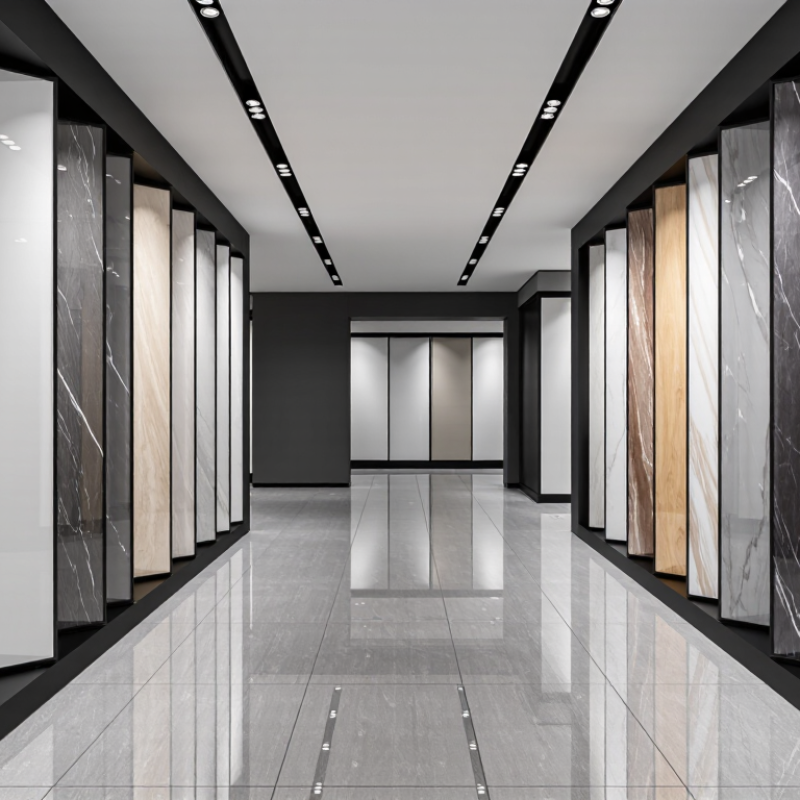
Choosing PVC Marble Wall Panels for an international project takes more than matching a stone-like pattern to a room. Buyers need to compare panel thickness, surface finish, core composition, joining details, and installation guidance. A glossy white panel can brighten a narrow hallway, while a darker veined design may suit a hotel reception wall. Yet a photograph cannot confirm wear resistance or edge quality. Samples matter.

Materials scientist Dr. Michael Ashby’s work offers a useful selection principle: “Match a material’s properties to the demands of its use.” This is a paraphrase of his broader approach, not a verified quotation about PVC panels. Apply that principle when reviewing the suppliers in this guide. Ask for current technical data, sample panels, packaging details, and written warranty terms. Check how each supplier handles customization, production lead times, and export communication. Details count.

A low unit price may not reflect the full landed cost. Freight, protective packaging, and replacement arrangements can change the comparison. Buyers should also confirm that stated specifications apply to the exact model being quoted. This guide introduces ten suppliers for global buyers, with attention to product range, sourcing fit, and practical evaluation points. Use it as a starting point, not a substitute for sample checks or supplier verification.
Top 10 PVC Marble Wall Panel Suppliers for Global Buyers

Understanding PVC Marble Wall Panels and Their Global Market

PVC marble wall panels are decorative sheets made from a PVC base with a printed, stone-like surface. They offer a lighter alternative to many natural stone finishes and are often chosen for interior walls in homes, shops, and hospitality spaces. A panel can look convincing from a distance. Up close, print repetition, edge quality, and surface gloss matter.

The global market is shaped by more than appearance. Buyers compare panel thickness, core consistency, surface coating, installation method, and packaging for long-distance shipping. Moisture resistance can be useful in bathrooms, but it does not make every panel suitable for every wet area. Check product test reports and installation guidance for the intended setting. Requirements differ by destination, so confirm applicable fire and emissions documentation with the supplier.

Samples help, but they can mislead. A small piece rarely shows how a repeated marble pattern looks across a full wall. Ask for several production samples, inspect cut edges, and check whether colors vary between batches. Still, PVC panels are not a perfect substitute for stone; heat sensitivity and surface wear deserve attention. Details matter. Careful comparisons help global buyers judge value beyond the first attractive photo.
Key Criteria for Evaluating Suppliers

When comparing PVC marble wall panel suppliers, request a physical sample and a clear technical sheet. Check panel thickness, width, surface finish, core structure, and stated tolerances. Details matter. Look closely at cut edges and corners; uneven layers may be missed in product photos. Compare several panels from one sample pack, since color and veining can vary between pieces.

Ask for recent test reports that identify the tested product, methods, and dates. A certificate alone may not describe the panel you intend to buy. Confirm that reports match its thickness and construction. Request installation instructions, cleaning guidance, and written warranty terms. Check what the warranty excludes, and how quickly the supplier handles damaged or inconsistent goods. These questions are practical, though some buyers leave them until too late.

Assess production capacity, lead times, minimum order quantities, and protective packaging. Ask how panels are packed for transport and whether replacement pieces can be supplied later. Request relevant customer references or examples of comparable export orders. A polished catalog can still hide weak follow-up. That is hard to judge from one call. Compare the supplier’s answers with the sample and documents, then record any gaps before placing an order.

Top 10 PVC Marble Wall Panel Suppliers for Global Buyers

Top 10 PVC Marble Wall Panel Suppliers for Global Buyers

Choosing among the top PVC marble wall panel suppliers requires more than comparing catalogue photos. Global buyers should examine panel thickness, surface finish, backing structure, and available dimensions. Ask for a physical sample. Check its edges, printed veining, and surface under both daylight and indoor lighting.

Reliable suppliers provide clear product specifications and consistent answers about production capacity, packaging, and lead times. Request details on carton protection and pallet loading, especially for long-distance shipping. A small corner damaged in transit can delay installation. Confirm how the supplier handles batch consistency, replacement requests, and quality concerns before placing a large order.

Look for documented inspection procedures and relevant test reports, then verify that they match the exact panel model you plan to buy. Compare quotations carefully: a low unit price may exclude packing, custom sizing, or freight. Samples help, but they are not the whole story. Printed patterns can vary slightly between production runs, and that difference may become obvious across a large wall. Ask how batches are tracked and whether production samples can be approved before shipment. It takes extra time. Still, a written specification and a few direct questions can prevent costly surprises for buyers, installers, and distributors.

Top 10 PVC Marble Wall Panel Suppliers for Global Buyers

Market-neutral sourcing guide: this comparison covers supplier capabilities and common product specifications, not a verified ranking of named companies. Specifications vary by manufacturer and should be confirmed in writing.

No. Supplier capability to compare Common product or service details What global buyers should verify
1 PVC panel extrusion manufacturer Produces rigid PVC-based wall panels; panel thickness and construction vary by product line. Request a technical data sheet, cross-section details, and samples from the production batch.
2 Decorative-film laminating supplier Applies printed decorative films, including marble-look patterns, to panel surfaces. Check print consistency, film adhesion, surface finish, and color matching across production lots.
3 UV-coated panel supplier Offers UV-cured surface coatings in finishes such as gloss or matte, depending on the range. Ask for documented coating and scratch-resistance test methods; avoid assuming all finishes perform alike.
4 Custom-size panel producer May offer cut-to-size panels; commonly marketed sheet dimensions include approximately 1,220 × 2,440 mm, with other sizes available. Confirm usable dimensions, cutting tolerances, edge condition, and packaging for the requested size.
5 Thin-panel product specialist Some product ranges include panels around 2.5–5 mm thick; actual thickness depends on construction and intended use. Verify thickness tolerance, panel rigidity, substrate requirements, and suitability for the installation surface.
6 Matching-trim and accessory supplier May supply corner trims, joining profiles, and edge finishing components alongside panels. Check profile compatibility, dimensions, material, and color match with the selected panel series.
7 Private-label and OEM supplier May offer custom packaging, labeling, or selected pattern options for business buyers. Confirm artwork approval, minimum order quantity, tooling or setup costs, and ownership of custom designs.
8 Export-packaging specialist Provides packing plans for long or flat panels, often using protective wrapping and rigid outer packaging. Request packing photographs, carton or crate dimensions, gross weight, and handling instructions.
9 Compliance-documentation-ready supplier Can provide product documents relevant to the destination market when available and applicable. Validate certificates and test reports with the issuing organization; requirements depend on country and application.
10 Project-order supplier Coordinates repeat orders, mixed patterns, and shipment planning for larger installations. Agree on production lead time, batch consistency, spare-panel allowance, payment terms, and delivery responsibility.

Comparing Supplier Products, Certifications, and Services

Comparing PVC marble wall panel suppliers requires more than matching a stone pattern. Request technical sheets showing panel thickness, weight, surface coating, dimensional tolerance, and installation method. A sample should be checked under both warm and cool lighting; glossy finishes can reveal scratches that showroom photos hide. Ask for independent test reports covering fire performance and emissions, with the tested product configuration clearly identified. A certificate alone may not describe the exact panel being quoted. Small differences matter.

Service quality is visible in the details. Confirm whether quotations include trims, adhesives, corner profiles, packing specifications, and replacement-panel procedures. Ask how production batches are checked for color consistency, and request written lead times for samples and bulk orders. The Global Alliance for Buildings and Construction’s 2023 Global Status Report estimates that buildings and construction accounted for 37% of global energy- and process-related CO₂ emissions in 2022. That figure is not specific to wall panels, but it makes environmental documentation worth examining. Where available, compare product-specific environmental declarations and the evidence behind recycled-content claims. Do not assume that a broad company certificate covers every product. And keep records. One practical weakness in many comparisons is relying on verbal assurances instead of dated test documents and clear warranty terms.

How to Select and Source from the Right Supplier

Choosing a PVC marble wall panel supplier starts with the job, not the catalogue. Confirm the panel thickness, surface finish, dimensions, and installation method required for your project. Ask for a physical sample and inspect it under the lighting used on site. A polished sample can still mislead.

Check the supplier’s technical data, including wear, moisture, and fire-performance information where relevant. Request written specifications and test documents, then confirm that they match the product being quoted. Ask how batches are checked for colour consistency.

Check the details.

For large orders, agree on acceptable variation before production begins. That conversation can feel fussy, but it may prevent costly surprises.

Compare quotations by more than unit price. Include packaging, minimum order quantities, production time, shipping terms, and spare-panel availability. Ask for photos of protective packing and clarify what happens if panels arrive damaged.

Request a clear production schedule and a named contact for updates. Keep drawings, samples, and agreed specifications on record. I would still allow extra time; supplier estimates do not always reflect port delays or last-minute changes. Start with a manageable order when possible, and review the delivered panels before scaling up.