Skip to content

7 Tips for Buying Luxury Fruit Gift Boxes Wholesale

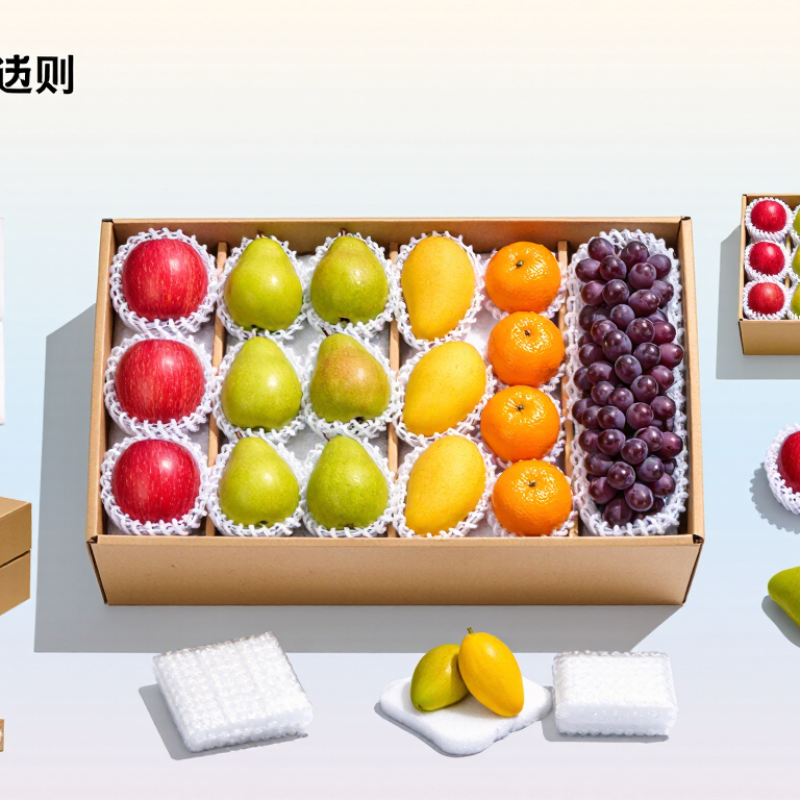
Luxury fruit gift boxes Wholesale can help retailers, hotels, and corporate gifting teams offer memorable gifts at scale. But the right order is not simply the largest one. Buyers need to weigh fruit quality, seasonal availability, packaging strength, delivery timing, and supplier communication. A glossy box means little if soft pears arrive beneath bruised apples.

This guide explores seven practical buying tips, from checking sample boxes to comparing minimum order quantities and confirming packing details. Look closely. Ask how suppliers protect delicate fruit, whether substitutions are discussed in advance, and how they handle temperature-sensitive shipping. These small questions can prevent costly surprises. Still, no checklist guarantees every shipment will be perfect; weather and harvest conditions can change quickly.

A trustworthy expert quotation should be verified before publication. Insert a confirmed statement from [Verified Industry Expert Name] here: “[Add the expert’s exact, sourced words about freshness, sourcing, or presentation.]” That attribution matters. Rather than relying on polished claims, buyers should request clear specifications, recent product images, and written delivery terms. Then compare what is promised with what arrives. A useful gift feels generous, arrives in good condition, and reflects care in every detail.
7 Tips for Buying Luxury Fruit Gift Boxes Wholesale

Understanding the Luxury Fruit Gift Box Wholesale Market

Luxury fruit gift box wholesale is shaped by seasonality, sourcing distance, grading standards, and presentation costs. A box that looks premium in a photograph may disappoint if fruit arrives bruised or unevenly sized. Small details matter.

Wholesale buyers should ask how suppliers define grade, pack fruit, and manage temperature changes during transit. Request a sample prepared like a real order, not a hand-selected display set. Check the liner, dividers, and cushioning, then inspect the fruit after delivery. This reveals more than a polished catalogue. Availability shifts with harvest windows, so a fixed assortment may be unrealistic across several months. Flexible substitutions can help maintain consistency, but agree on acceptable replacements beforehand.

Price comparisons need to include more than fruit costs. Add packaging, freight, spoilage allowances, and sorting labor at your receiving site. For larger orders, confirm minimum quantities and lead times before promising delivery dates. Ask for clear origin and handling records, especially when freshness claims influence purchasing decisions. The market can be opaque. Even experienced buyers may overlook how box dimensions affect shipping damage and total cost. A modest trial order helps test assumptions, though it cannot predict every seasonal change.
Luxury Fruit Gift Boxes: Recommended Storage Temperatures

A practical cold-chain check when evaluating wholesale fruit suppliers.

Bars show the midpoint of typical recommended storage ranges: apples −1 to 1°C, grapes −1 to 0°C, strawberries −0.5 to 0.5°C, blueberries −1 to 1°C, and bananas 13 to 14°C. Storage needs vary by variety and ripeness; confirm handling requirements with your supplier. Reference: UC Davis Postharvest Research and Extension Center, Produce Facts.

Defining Your Buyers and Seasonal Demand

Luxury fruit gift boxes sell differently to corporate buyers, hotels, and specialty grocers. Define your buyer before setting a wholesale assortment. A corporate purchaser may want polished packaging, reliable delivery dates, and room for a greeting card. A hotel may value compact boxes that fit guest-room displays. Specialty grocers often need clear size options and realistic shelf-life guidance. Ask about order frequency, preferred price range, and delivery locations. Specific answers beat broad assumptions.

Seasonal demand changes both fruit availability and gift-buying habits. Build a calendar around local harvests, major gifting periods, and the lead time needed for packing and transport. In winter, citrus may offer dependable color and variety; during warmer months, delicate berries can require tighter handling plans. Check supplier availability before promising a fixed mix. Track past orders by buyer type, not just total sales. A strong December can hide a quiet spring. Forecasts still miss. That estimate can be wrong, especially when weather shifts harvest timing or buyers change their plans. Keep a flexible substitute list, and tell customers when substitutions may affect appearance, quantity, or delivery. Practical transparency helps protect trust.

7 Tips for Buying Luxury Fruit Gift Boxes Wholesale - Defining Your Buyers and Seasonal Demand
Tip Buyer Segment Typical Buying Occasion Seasonal Demand & Fruit Fit Useful Box Format Wholesale Planning Check
1. Define the recipient before choosing the fruit. Individual gift buyers Birthdays, anniversaries, thank-you gifts, and personal celebrations Demand can occur year-round. Match fruit selection to the delivery date and local availability; summer often brings cherries, stone fruit, and berries, while winter commonly features citrus and pears. Small to medium assortment with a clear mix of ready-to-eat and longer-keeping fruit Confirm the recipient’s delivery address, preferred delivery window, and any restrictions on fruit types.
2. Separate corporate gifting from personal gifting. Businesses, client-service teams, and event planners Client appreciation, employee recognition, meetings, and business milestones Year-end holidays and major business events can create concentrated order periods. Orders for a specific event date need earlier coordination than routine gifting. Consistent box sizes that are easy to order in multiples Ask about required delivery dates, recipient counts, delivery locations, and whether individual shipping is needed.
3. Plan around gifting seasons, not just fruit seasons. Retailers and online gift sellers Winter holidays, Lunar New Year, Valentine’s Day, Mother’s Day, and other regional occasions Peak gifting dates vary by market and calendar year. Citrus and pears are commonly available in winter; spring and summer can offer more berries and stone fruit, subject to origin and harvest conditions. A core assortment plus a seasonal edition Set order cutoffs and delivery buffers; confirm holiday calendars and carrier schedules for each sales region.
4. Choose fruit for both appearance and transit life. Premium gift buyers and recipients receiving shipped boxes Long-distance gifting and deliveries where presentation matters Fruit ripeness, variety, origin, and handling affect how well it travels. Delicate berries and ripe stone fruit generally need more careful handling than firm apples or pears. Protective inserts with fruit arranged to limit movement and bruising Request packing specifications and assess transit time, temperature exposure, and expected shelf life at delivery.
5. Match order size to the buyer’s sales pattern. Independent retailers, specialty food shops, and small gift businesses Regular counter sales, online orders, and local seasonal promotions Smaller, more frequent orders can help manage changing availability and reduce excess inventory, especially for highly perishable fruit. Several assortment sizes using overlapping fruit selections Compare minimum order quantities, replenishment options, and the supplier’s process for handling substitutions.
6. Confirm origin, grade, and seasonal substitutions. Buyers serving premium or quality-conscious customers Special occasion gifting and curated seasonal collections Harvest timing and supply vary by growing region and year. A named variety or origin may not be available throughout the season. Curated assortment with a documented substitution policy Agree in advance on acceptable substitutes, quality standards, origin information, and how availability changes will be communicated.
7. Build lead time and delivery capacity into the order. Large-volume buyers and organizations ordering for multiple recipients Holiday programs, company-wide gifts, and scheduled events Demand can rise sharply around popular gifting dates. Harvest supply, packing capacity, and carrier availability may all affect fulfillment. Standardized cartons with clear labeling and delivery instructions Share forecast quantities early, confirm packing and dispatch dates, and allow a buffer for weather or transport delays.
Planning note: Fruit availability and peak gifting periods vary by growing region, weather, and local holidays. Treat seasonal examples as general guidance and confirm current harvest schedules, product specifications, and delivery terms with the supplier before placing a wholesale order.

Evaluating Fruit Quality, Packaging, and Suppliers

7 Tips for Buying Luxury Fruit Gift Boxes Wholesale

Luxury fruit should look beautiful, but appearance alone is a weak quality check. Assess firmness, aroma, ripeness, blemishes, and consistency across the full lot. USDA Agricultural Marketing Service grade standards provide commodity-specific references for factors such as maturity, color, size, and defects. Use them as a starting point, not a substitute for tasting and inspecting a pre-shipment sample. Small details matter.

Packaging protects both the fruit and the gift experience. Check that dividers prevent bruising, ventilation suits the selected fruit, and lids stay secure during stacking. Ask suppliers how they manage temperature and transit time; different fruits do not share one ideal storage condition. A glossy lid is not proof of freshness. That assumption is tempting, and sometimes wrong.

Supplier records deserve the same scrutiny as the fruit. Request harvest or packing dates, origin details, lot identification, and clear procedures for damaged deliveries. In The State of Food and Agriculture 2019, FAO estimated that 14% of food is lost between post-harvest and retail, with fruit and vegetables among the highest-loss groups. That makes careful handling a commercial issue, not just an aesthetic one. Compare sample boxes from more than one supplier, then record defects and arrival condition. I would still leave room for judgment: one attractive sample cannot guarantee every wholesale shipment.

Comparing Wholesale Pricing, Minimum Orders, and Delivery Terms

Wholesale quotes for luxury fruit gift boxes often look simple until packaging, fruit grade, and freight are separated. Ask suppliers to itemize fruit, inserts, ribbons, cold packs, and outer cartons; otherwise, a low unit price may hide costly extras. Compare the same box specification, not just the headline rate. Small detail, big difference.

Minimum order quantities affect more than cash flow. A 100-box minimum may lower the unit price, but it can leave you holding perishable stock if orders arrive slowly. Ask whether mixed assortments count toward the minimum and whether a pilot run is available. Confirm payment timing, deposit amounts, and fees for artwork or custom sleeves. These details can shift the real cost.

Delivery terms deserve equal attention. Confirm dispatch dates, transit estimates, temperature controls, and responsibility for delays or damaged cartons. Request packaging photos and a sample shipment when practical; inspect fruit firmness, cushioning, and presentation on arrival. Clarify whether shipping is included, charged per box, or recalculated by destination. Get every change in writing. Worth checking. Wholesale comparisons are imperfect: seasonal fruit prices move, and quotes can age quickly. Set a validity date and revisit quantities before committing. A cheaper offer may cost more after spoilage, missed event dates, or replacement shipments.

Managing Storage, Presentation, and Customer Expectations

Luxury fruit boxes need careful handling before they ever reach a customer. Separate ethylene-producing fruit, such as apples, from sensitive items like berries when practical. Follow each fruit’s storage needs rather than forcing the whole box into one temperature zone. Keep cartons dry, avoid stacking weight on delicate peaches, and inspect berries for soft spots before packing. Small details matter. A chilled box can still disappoint if condensation leaves its tissue damp.

Presentation begins with protection, not decoration. Use fitted inserts to stop fruit shifting in transit, and leave enough airflow to limit moisture buildup. The Food and Agriculture Organization’s 2023 tracking report estimated that 13.2% of food was lost globally between harvest and retail in 2021. That figure is not specific to gift fruit, but it shows why careful handling deserves attention. Photograph a finished sample under ordinary indoor light; glossy studio lighting can hide bruises and color variation.

Set customer expectations before dispatch. State the likely delivery window, explain that fruit sizes and natural markings vary, and give simple storage instructions. USDA estimates that 30–40% of the U.S. food supply is lost or wasted. Gift boxes are only one small part of that issue, yet realistic order quantities and prompt packing can reduce avoidable spoilage. I still find that “premium” means different things to different buyers. Ask what matters most: variety, appearance, or delivery timing.