How to Choose the Right Hex Nut in 2026?
Choosing the right Hex Nut in 2026 means matching the nut to the joint, not simply choosing one that fits the bolt. Thread size, material, grade, coating, and operating conditions all matter. A zinc-plated nut may suit a dry indoor assembly, while heat, vibration, or moisture can call for a different specification. Small parts matter.
Fastener educator and consultant Carmen Vertullo’s practical guidance can be paraphrased this way: “Select fasteners by the demands of the complete joint, not by appearance alone.” That distinction is easy to overlook. A nut that turns smoothly onto a bolt is not automatically strong enough, corrosion-resistant enough, or compatible with the assembly. Check the drawing, product data, thread series, and required strength class; where the application is critical, consult a qualified engineer or supplier. Details matter.
This guide explains how to compare common Hex Nut types, materials, finishes, and locking options, then shows what to verify before ordering. It also considers availability and changing project requirements in 2026, without treating one choice as universal. Real assemblies are rarely perfect: coatings can affect fit, and vibration may expose assumptions that seemed reasonable on paper. That is the catch. Use the recommendations as a careful selection framework, and confirm them against the actual load, environment, and manufacturer specifications. A few minutes of checking can prevent a costly mismatch.
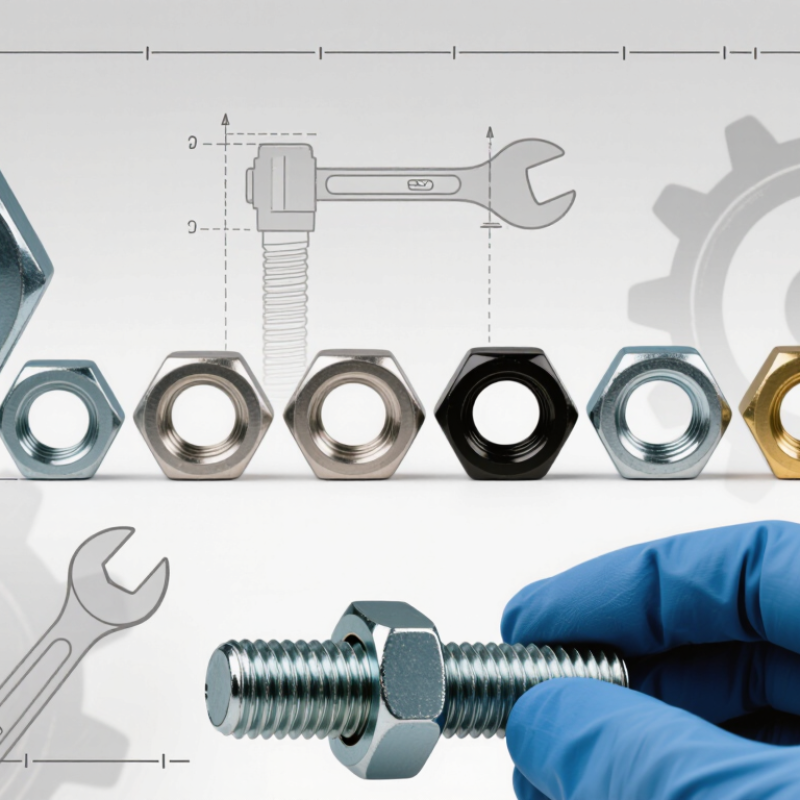
Identify the Load, Environment, and Intended Use
How to Choose the Right Hex Nut in 2026?
Identify the Load, Environment, and Intended Use
Start with the joint, not the nut’s appearance. Identify the bolt grade, required clamp force, and any shear or vibration loads. Match the nut’s mechanical property class to the fastener and follow the relevant ISO 898-2 requirements. A nut that threads on easily is not necessarily suitable. Fit matters.
Next, assess moisture, temperature, chemicals, and contact with dissimilar metals. Salt spray can make a clean-looking assembly fail early, especially when coatings are damaged. The Federal Highway Administration’s 2002 report, Corrosion Costs and Preventive Strategies in the United States, estimated annual corrosion costs at $276 billion, or about 3.1% of U.S. GDP. That estimate is broad and dated, but it shows why environmental exposure deserves attention. Salt changes things.
Finally, consider how the joint will be installed and serviced. A frequently opened enclosure may need a different locking approach from a fixed structural connection. Check wrench clearance, washer use, lubrication, and the specified tightening method; torque alone does not prove adequate preload. For outdoor equipment, inspect the coating and confirm material compatibility before assembly. One judgment call remains: real service conditions are often messier than a drawing suggests. Recheck the choice after a trial fit and routine inspection.
Match the Nut’s Thread Size, Pitch, and Compatibility
Choosing the right hex nut starts with matching its nominal diameter and pitch to the bolt, not just its appearance. ISO 261 lists preferred metric thread sizes; for example, M8 coarse thread is 1.25 mm pitch. Fine-pitch versions also exist. Check the bolt marking, then verify with a thread-pitch gauge. A caliper alone cannot confirm pitch. Small mismatch matters.
For inch threads, distinguish forms such as 1/2-13 UNC and 1/2-20 UNF. ASME B1.1 defines Unified inch screw-thread dimensions, while ISO 965 covers metric thread tolerances. A nut and bolt from different systems may start turning but bind or damage threads under load. Do not force them. NASA’s Fastener Design Manual, Reference Publication 1228, discusses thread engagement and preload; a matching thread is only one part of joint suitability.
Compatibility also depends on the bolt’s material, coating, and application. A stainless nut on a coated steel bolt may create corrosion concerns, while a nut’s strength must suit the joint’s expected load. Check the supplier’s specification and the relevant fastener standard, especially for fine-pitch or specialty threads. I still double-check pitch by hand; it is easy to misread small markings in poor light. That extra check is worth it.
Select a Material and Coating for Service Conditions
A hex nut may look simple, but its coating can decide whether it turns freely after months outdoors. Start with the service conditions: moisture, salt spray, chemicals, temperature, and contact with dissimilar metals. For dry indoor machinery, a plain or lightly protected carbon-steel nut may be adequate. Coastal equipment often needs stronger corrosion protection, such as hot-dip galvanizing, or a corrosion-resistant stainless-steel alloy. Check the bolt material too. Dissimilar metals can accelerate corrosion, and stainless-on-stainless threads may gall under high tightening loads. Small details matter.
The 2016 NACE IMPACT study estimated that corrosion costs about US$2.5 trillion annually, or 3.4% of global GDP; it also reported that improved corrosion management could save 15–35% of those costs. That estimate is broad, not a prediction for one fastener, but it shows why coating choice deserves attention. Match coating thickness to the nut’s thread clearance: a heavy coating can make assembly difficult or change the fit. Consider maintenance access as well. A sheltered indoor nut and an exposed roadside nut do not face the same risks. There is no perfect finish. Even a carefully selected coating can fail if damaged during installation, and that is easy to overlook.
How to Choose the Right Hex Nut in 2026? Select a Material and Coating for Service Conditions
Typical relative suitability for common atmospheric conditions (1 = low, 5 = high). Use this as an initial screening guide, not as a service-life rating.
Plain carbon steel generally needs protection where moisture is present. Zinc plating suits mild exposure, while hot-dip galvanizing provides a thicker zinc coating. For chloride-rich coastal environments, 316 stainless steel is often preferred over 304; verify the grade, coating specification, temperature, and exposure details for the application.
Choose a Hex Nut Type and Applicable Standard
Choose a Hex Nut Type and Applicable Standard
Start with the joint, not the nut’s appearance. A standard hex nut suits many general-purpose assemblies, while a heavy hex nut offers a larger bearing face for some structural connections. Flange nuts spread pressure across a wider surface; nylon-insert lock nuts resist loosening but may not suit high temperatures. Match the nut to the bolt’s material, thread, load, and environment. A shiny finish alone tells you little about strength.
Use the applicable specification to verify dimensions and mechanical properties. ISO 4032 lists an M10 hex nut with a nominal 16 mm width across flats and 8.4 mm height. That small difference matters when a wrench or clearance is tight. For steel fasteners, ISO 898-2 defines mechanical property classes for nuts; align the nut class with the bolt class and the joint design. In inch-based assemblies, check the relevant ASME or SAE specification instead. A snug fit is not proof of a safe match.
Tips: Check thread pitch and standard system before ordering. Keep the standard and property class on the drawing or purchase record. If the joint sees vibration or heat, confirm the locking method is suitable; this detail is easy to overlook.
Check Strength, Fit, and Installation Requirements
A hex nut should match the bolt’s strength, thread, and working conditions. Check the property class or grade stamped on the hardware, when markings are present, and pair compatible nut and bolt ratings. A stronger bolt does not automatically make the joint stronger if the nut is unsuitable. For stainless steel or outdoor equipment, consider corrosion exposure and the risk of threads binding.
Fit matters. Compare the nut’s thread diameter and pitch with the bolt specification; a nut that starts crooked or feels tight by hand may have mismatched threads. It should turn smoothly before tightening. Check clearance around the hex flats, too, especially inside a narrow bracket or recessed assembly. Small details matter.
Installation requirements depend on the joint, lubrication, and fastener specification. Use a calibrated torque wrench when a specified torque is available, and follow the relevant engineering or equipment documentation. There is no reliable universal torque value. Keep threads clean, seat the nut squarely, and inspect for damaged threads or deformation before use. A locking nut may suit vibration, but its design and reuse limits vary. I have seen “snug” judged by feel, and that is not very repeatable; record the chosen method for critical assemblies.