Skip to content

How to Choose High Quality Cabinet Hardware in 2026?

Choosing High Quality Cabinet Hardware in 2026 requires more than matching a finish to your kitchen. Handles and knobs affect comfort, durability, cleaning, safety, and the room’s visual balance. A beautiful pull can still disappoint if its edges feel sharp or its screws loosen after a few months.

Christopher Peacock, founder of Christopher Peacock Cabinetry, once described hardware as “the jewelry of the kitchen.” The comparison is useful, but incomplete. Jewelry is mainly decorative. Cabinet hardware is handled dozens of times each day. It must withstand wet hands, cooking grease, repeated impacts, and changing household habits. That practical test matters.

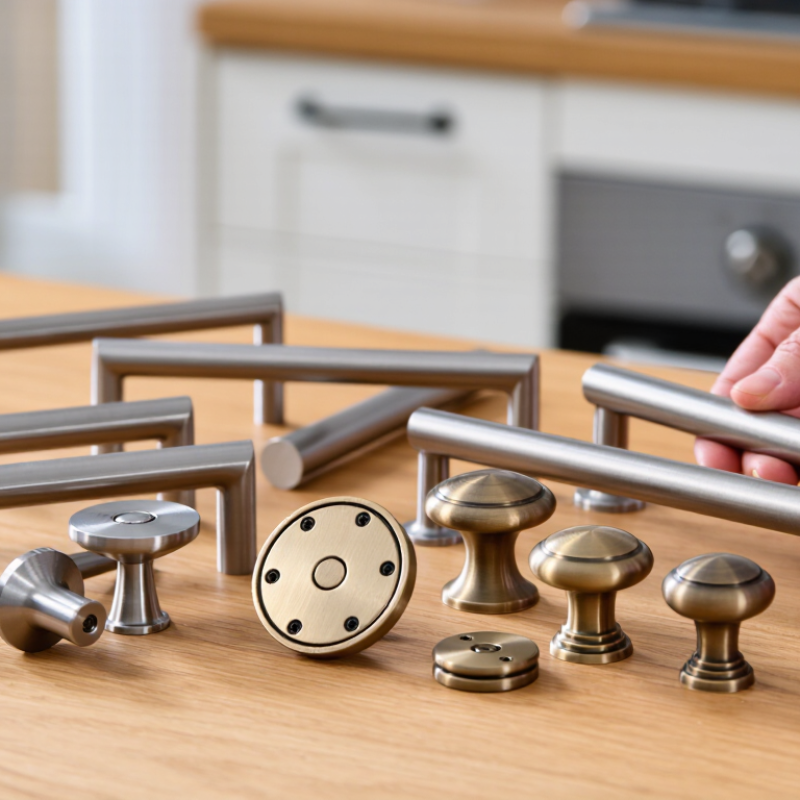
This guide examines how to judge High Quality Cabinet Hardware before buying it. We will consider base materials, plating, screw strength, mounting accuracy, weight, ergonomic design, and long-term maintenance. Stainless steel may suit a busy family kitchen, while solid brass can bring warmth to a traditional cabinet. However, not every expensive product is well made. That assumption deserves caution.

Look closely.

Run your fingers along the edges. Check whether the finish appears even inside corners and around mounting holes. Open and close several drawers using the same pull. Small details reveal large weaknesses. Even experienced buyers can focus too heavily on appearance and overlook installation problems. A premium handle cannot correct a poorly drilled cabinet door. Measurements, templates, and suitable screws remain essential. By the end, you should have a clearer method for comparing samples, questioning product claims, and selecting hardware that feels dependable every day.
How to Choose High Quality Cabinet Hardware in 2026?

Define Cabinet Hardware Quality Standards for 2026

In 2026, cabinet hardware quality should be judged by measurable performance, not attractive packaging.

Start with the material, thickness, and manufacturing accuracy. Stainless steel, zinc alloy, and treated aluminum can perform well when properly specified. However, material names alone prove little. Ask for composition details, load ratings, corrosion testing, and cycle-test results. A hinge should move smoothly after repeated opening and closing, without noticeable side movement or grinding sounds.

Reliable hardware also needs consistent dimensions. Small gaps can create loose handles, uneven doors, or difficult installation. Check screw strength, hole alignment, adjustment range, and compatibility with common cabinet panels.

Finishes should resist moisture, fingerprints, cleaning products, and daily abrasion. Request independent test documentation when possible. Supplier traceability matters too. It helps identify production changes and resolve failures.

I have seen beautiful hardware weaken because its internal spring was poorly engineered.
Appearance can mislead.

Tips:

Test samples before placing large orders. Open and close doors repeatedly. Wipe the surface with a damp cloth and inspect the finish later. Compare several batches, not just one sample. Leave room for improvement; even a trusted specification may miss real kitchen conditions. Record installation time and adjustment problems. These details often reveal quality better than a showroom inspection. Also, do not rely only on the highest price. Better evidence usually matters more.
Compare Materials, Finishes, and Manufacturing Methods

Choosing high-quality cabinet hardware in 2026 starts with material, finish, and manufacturing method. Solid brass feels dense and machines cleanly, but it can oxidize without proper protection. Stainless steel resists moisture and suits busy kitchens. The World Stainless Association reported global stainless-steel production at about 58 million tonnes in 2023, showing its continuing industrial importance. Aluminum is lighter, yet softer around screw holes. That difference matters.

Finish quality is more than color. PVD coatings usually bond more firmly than basic sprayed finishes, especially on frequently touched pulls. However, PVD is not indestructible. Abrasive cleaners can still dull it. Look for consistent edges, smooth mounting plates, and threads that turn without grinding. Die-cast parts can reduce cost, but forged or machined components often provide better strength. I have seen attractive handles loosen because the internal thread was shallow. Appearance alone misleads.

Tips: Match the finish to moisture and cleaning habits. Test one handle before ordering a full set. Check salt-spray or cycle-test results when suppliers provide them. ASTM performance testing can reveal more than showroom lighting. The International Aluminium Institute notes that roughly 75% of aluminium ever produced remains in use, supporting its long service potential. Still, recycled content does not automatically mean better hardware. Ask about alloy grade, coating thickness, fastener material, and warranty terms. Small details matter.

Evaluate Function, Durability, and Installation Compatibility

How to Choose High Quality Cabinet Hardware in 2026?

Evaluate Function, Durability, and Installation Compatibility

Cabinet hardware should feel natural during daily use. Pulls need enough clearance for comfortable fingers. Knobs should turn smoothly without shifting on the door. Test the opening motion before judging appearance. A beautiful handle that catches clothing is a poor choice. Soft-close hinges should move quietly and stop gently. Drawer slides must support the expected load, including cookware, tools, or heavy storage containers.

Durability depends on material, surface treatment, and construction quality. Inspect joints, screw threads, mounting plates, and moving parts closely. A solid feel matters more than impressive packaging. Finishes should resist moisture, fingerprints, and repeated cleaning. In kitchens and bathrooms, corrosion resistance is especially important. Ask for tested load ratings when available. Avoid assuming that a heavier product always lasts longer. Weight can hide weak internal components. Small details matter.

Installation compatibility prevents expensive frustration. Check door thickness, overlay measurements, hole spacing, screw length, and hinge geometry. Existing cabinets may require adapters or replacement mounting plates. Measure twice. Drill once. Misaligned holes can damage a finished panel and weaken the hardware. Leave enough clearance between adjacent doors and drawers. Even experienced installers occasionally miss this detail. A practical test installation on scrap material can reveal problems early. It may feel unnecessary, but repairs usually take longer. Recheck the layout under real lighting, since shadows can expose uneven alignment.

Check Safety, Sustainability, and Product Certifications

When choosing cabinet hardware in 2026, inspect safety before appearance. Ask for testing against ANSI/BHMA A156.9 or equivalent performance standards. These standards address durability, strength, and operating cycles. Check load ratings for drawer slides and hinges. A soft-close mechanism should move smoothly, without sudden rebound or loose screws. I would also inspect edges, plating, and fasteners by hand. Small defects often appear before installation.

Sustainability deserves equal attention. The United Nations Environment Programme reported that buildings consumed 32% of global energy and produced 34% of global carbon emissions in 2022. Hardware is small, but repeated replacement creates avoidable waste. Prefer recycled metal content, durable finishes, repairable components, and clear material disclosures. Look for credible certifications, such as ISO 14001 for environmental management, GREENGUARD Gold for emissions, or verified recycled-content documentation. Certification scope matters. It may cover one finish, not the entire product. That detail is easy to miss.

Tips: Request a certificate number, testing date, and issuing organization. Verify them in the certifier’s public database. Compare corrosion-test results, warranty terms, and replacement-part availability. Avoid vague claims such as “eco-friendly” without evidence. A certificate is useful, but it cannot prove every sustainability statement. I still find product decisions imperfect; recycled content may conflict with finish durability. Record that trade-off before purchasing.

How to Choose High-Quality Cabinet Hardware in 2026?

Use this practical 100-point evaluation framework to compare cabinet hardware. Prioritize safe construction, sustainable materials and processes, and verifiable product certifications.

How to use the chart: Allocate 40 points to safety, 30 points to sustainability, and 30 points to certifications. Check product documentation for corrosion testing such as ISO 9227 or ASTM B117, material and chemical requirements such as REACH or RoHS where applicable, environmental management evidence such as ISO 14001, and quality-management evidence such as ISO 9001. These weights are a buyer-focused checklist, not market-share data.

Select Hardware Based on Design, Budget, and Long-Term Value

How to Choose High Quality Cabinet Hardware in 2026?

Choose hardware by matching the room’s visual language first. Flat black pulls suit modern kitchens, while aged brass adds warmth to painted wood. Check the finish under daylight, not only showroom lighting. According to Houzz’s 2024 U.S. Kitchen Trends Study, 76% of renovating homeowners upgraded their cabinets. That makes handle placement and durability important decisions, not small decorations. Measure existing holes carefully. A two-millimeter mistake can create costly door repairs.

Budget for the whole installation, including screws, templates, and replacement pieces. Low prices can hide thin plating, weak threads, or inconsistent sizes. In my experience, solid-feeling hardware with smooth edges usually performs better after years of daily use. Still, weight alone proves little. Ask for material details, finish-care instructions, and corrosion testing information. The 2024 National Kitchen & Bath Association Design Trends Report continues to show strong interest in personalized kitchens, so practical design should not be sacrificed for fashion.

Think in ten-year terms. A slightly higher initial cost may reduce loosening, discoloration, and repeated labor. Stainless steel can be sensible near sinks, while delicate finishes need gentler cleaning. Test one sample before ordering 30 pieces. That step feels slow. It prevents regret. Some popular finishes may age unevenly, and that is worth admitting before purchase. Compare warranty coverage, spare-part availability, and supplier documentation. Reliable evidence matters more than confident sales language.

How to Choose High Quality Cabinet Hardware in 2026? — Select Hardware Based on Design, Budget, and Long-Term Value
Hardware Material Typical Design Style Indicative Price per Piece (USD) Corrosion Resistance Strength and Wear Performance Finish Options Maintenance Requirement Long-Term Value Best Use Case
Solid Brass Traditional, transitional, vintage, and premium contemporary interiors $8–$35 High Dense, rigid, and suitable for frequently used drawers and doors Unlacquered, aged, polished, satin, brushed, and plated finishes Wipe with a soft cloth; unlacquered brass develops a natural patina over time ★★★★★
304 Stainless Steel Modern, industrial, minimalist, and commercial-inspired designs $5–$25 Very high Strong and highly resistant to moisture, staining, and everyday abrasion Brushed, satin, polished, and matte finishes Clean with mild soap and water; avoid chlorine-based cleaners and steel wool ★★★★★
Zinc Alloy Versatile; works with contemporary, farmhouse, transitional, and decorative designs $2–$12 Moderate to high Good everyday performance; quality depends on casting precision and protective coating Brushed, matte, polished, bronze, black, nickel, and other plated finishes Use a soft damp cloth; prevent standing water and harsh chemical exposure ★★★★☆
Aluminum Lightweight modern, Scandinavian, minimalist, and low-profile designs $2–$10 High Lightweight and rust-resistant, but softer and less impact-resistant than steel or brass Anodized, brushed, polished, powder-coated, and matte finishes Wipe regularly with mild detergent; avoid abrasive pads that can mark the surface ★★★☆☆
Carbon Steel or Iron Industrial, farmhouse, rustic, utility, and heritage-inspired interiors $4–$20 Low to moderate Rigid and strong, but unprotected surfaces can rust when exposed to moisture Painted, powder-coated, oil-rubbed, waxed, and distressed finishes Keep dry; inspect exposed edges and repair damaged coatings promptly ★★★☆☆
Porcelain or Ceramic with Metal Base Classic, cottage, vintage, country, and decorative interiors $6–$30 High Hard decorative surface; ceramic can chip if struck, while the base controls overall strength Gloss, hand-painted, patterned, glazed, and monochrome finishes Clean gently with a soft cloth; avoid impact and abrasive cleaners ★★★☆☆
Price ranges are indicative 2026 retail estimates for standard cabinet knobs and pulls in common sizes. Actual pricing varies with dimensions, construction, finish, installation hardware, packaging, and order quantity. For long-term value, prioritize solid construction, consistent finish coverage, secure screw threads, smooth edges, and hardware appropriate for the room’s moisture level.