What Is a HIFEM Slimming Machine and How Does It Work?
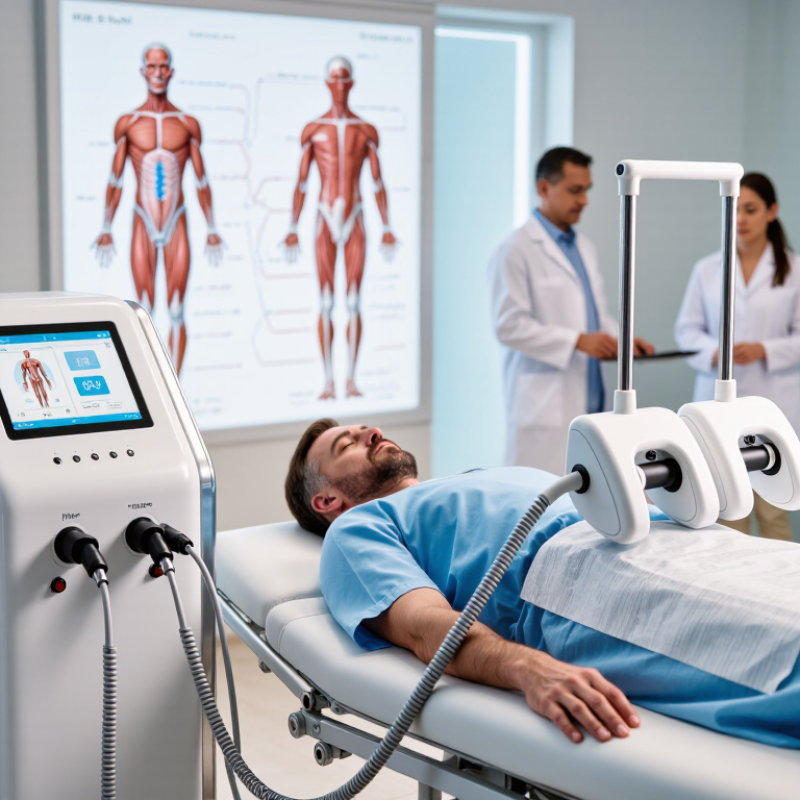
A HIFEM Slimming Machine uses high-intensity focused electromagnetic energy to trigger repeated muscle contractions. During a session, a user typically lies on a treatment bed while applicators rest against the abdomen, buttocks, or another targeted area. The contractions can feel intense and unusual. They are not voluntary exercise, and they do not guarantee weight loss.
Plastic surgeon Dr. Brian Kinney has coauthored published research on HIFEM-based body contouring. The following is an editorial paraphrase, not a verified direct quotation: “Changes in muscle and contour should be assessed with clinical evidence, not marketing claims alone.” That distinction matters. Some studies report changes in muscle thickness or fat measurements, but results vary, and study findings do not predict an individual outcome. A machine’s specifications also cannot establish its clinical effectiveness by themselves.
This article explains what HIFEM means, how the technology is intended to work, and what treatment sessions may involve. It also looks at research limits, possible side effects, and questions to ask a qualified healthcare professional before treatment. The details matter: applicator placement, session settings, and a person’s health history can all affect suitability. HIFEM is not a substitute for medical care or a proven shortcut to overall weight management. There are uncertainties, too. Evidence is still developing, so claims about lasting results deserve careful scrutiny.
What Is a HIFEM Slimming Machine?
A HIFEM slimming machine is a non-invasive device that uses high-intensity focused electromagnetic energy to trigger repeated muscle contractions. A treatment head rests against the skin, often over the abdomen or buttocks. The magnetic field stimulates motor nerves, making the targeted muscles contract without voluntary movement. It is not a weight-loss machine: its intended role is body contouring and muscle conditioning, and results vary.
Clinical evidence is promising but limited. A 2019 study in Aesthetic Surgery Journal followed 22 adults who received four abdominal treatments. At three months, MRI measurements showed an average 15.4% increase in rectus muscle thickness and a 19% reduction in subcutaneous fat thickness. The small sample and short follow-up matter; these figures are not guaranteed outcomes. HIFEM may also feel intense, with rhythmic tightening that can make the abdomen visibly tense beneath the applicator. It does not replace exercise, and long-term results remain uncertain.
Tips: Ask a qualified provider about your health history, device settings, and realistic goals. Keep the same measurement method and timing when tracking changes. A 2019 result is not a promise. The evidence needs more diverse participants and longer follow-up.
What Technology Does a HIFEM Machine Use?
A HIFEM slimming machine uses high-intensity focused electromagnetic energy. A treatment applicator sits against the skin, often over the abdomen or thighs. Inside it, an electrical coil creates a rapidly changing magnetic field. The field passes through the skin and can stimulate motor nerves in the targeted muscles.
Those nerves trigger repeated muscle contractions. They are not voluntary, like a crunch you choose to do. During a session, the muscles may tighten and release in quick cycles. The sensation can feel intense or unusual. It should not feel sharply painful; tell the operator if it does. The machine does not directly “melt” fat, and results vary.
The technology targets muscle activity. Changes in body shape may depend on treatment settings, individual factors, and other habits. Evidence and outcomes can differ, so be wary of guaranteed claims. Short-term soreness can happen. A qualified healthcare professional can help assess whether treatment is suitable, especially for people with implanted electronic devices or certain medical conditions. The exact mechanism is still being studied, and that uncertainty matters.
What Is a HIFEM Slimming Machine and How Does It Work?
How it works: HIFEM (high-intensity focused electromagnetic) technology generates a changing magnetic field that induces electrical currents in motor nerves, triggering muscle contractions. The chart shows a simplified, illustrative 20 Hz pulse pattern—not measured output from a specific machine. HIFEM device settings and waveforms vary; frequency alone does not indicate treatment effectiveness.
How Does a HIFEM Treatment Session Work?
A HIFEM slimming machine uses high-intensity focused electromagnetic energy to stimulate powerful muscle contractions. These contractions are stronger and more repetitive than ordinary voluntary exercise. During a professional session, a trained provider places applicators over the selected area, such as the abdomen or buttocks. The skin usually remains intact.
The session begins with a health consultation and treatment-area assessment. The provider checks medical history, implanted devices, pregnancy status, and other safety concerns. You then lie or sit comfortably while the applicators are secured. The machine starts at a low intensity. It gradually increases as your muscles adapt. You may feel tapping, tightening, or deep rhythmic contractions. It can feel unusual.
A typical session lasts about 20 to 30 minutes, depending on the device and treatment plan. The provider should monitor your comfort throughout the procedure. Mild muscle fatigue or soreness may occur afterward, similar to exercise. Most people return to normal activities quickly, but individual responses differ. HIFEM is not a replacement for nutrition, movement, or medical weight management. Results may also vary, and the treatment does not guarantee fat loss. That part deserves honest discussion. Qualified professionals should explain expected benefits, limitations, and possible risks before treatment.
| Session Stage | Typical Details | What the Client May Experience | Important Notes |
|---|---|---|---|
| Consultation and screening | The provider reviews the treatment area, health history, goals, and device-specific safety instructions. | Questions about comfort, expectations, and suitability. | Eligibility varies by device and individual. People with certain implanted electronic or metal devices, pregnancy, or other relevant conditions may need to avoid treatment or seek medical advice. |
| Positioning and applicator placement | The client lies or sits comfortably while the applicator is positioned over the selected area, such as the abdomen or buttocks, according to the device instructions. | The applicator may feel snug or cool against the skin. | The treatment area and applicator setup depend on the device and the planned protocol. |
| HIFEM treatment | HIFEM means high-intensity focused electromagnetic. The device delivers electromagnetic energy that stimulates repeated muscle contractions in the targeted area. | Strong, involuntary muscle contractions are common. The intensity is usually adjusted to the client’s comfort and the device protocol. | A commonly described appointment lasts about 20–30 minutes per treated area, but timing and settings vary by device and clinic. |
| End of treatment | The applicator is removed and the client can generally get up and resume usual activities. | Some people notice temporary muscle fatigue, tenderness, or soreness similar to after exercise. | Downtime is generally not required, although experiences and device instructions differ. |
| Follow-up and results | The provider may discuss follow-up appointments and when to assess changes. The number and spacing of sessions depend on the treatment plan. | Changes, if any, are not necessarily immediate and can differ from person to person. | HIFEM is intended to stimulate muscle activity; it is not a substitute for weight loss, exercise, or medical care. Outcomes vary, and results are not guaranteed. |
Session duration, treatment settings, eligibility, and expected outcomes depend on the specific device and a qualified provider’s assessment.
How Does HIFEM Stimulation Affect Muscles and Fat?
A HIFEM slimming machine uses high-intensity focused electromagnetic energy to stimulate motor neurons in targeted muscles. The resulting contractions can be much stronger than ordinary voluntary exercise. Patients may feel rapid tightening, pulsing, or deep muscle fatigue during a session. The skin usually remains intact, although temporary soreness can occur afterward.
How does HIFEM stimulation affect muscles and fat? Repeated contractions place a demanding workload on muscle fibers. Over time, this may support muscle strengthening and improve visible firmness, especially around the abdomen, buttocks, or thighs. The process is not simply “exercise without effort.” Muscle response varies with body composition, treatment settings, and individual tolerance.
The effect on fat is more complicated. Intense muscle activity increases local energy demand and may encourage the body to mobilize stored fatty acids. Some clinical research also suggests that prolonged stimulation can affect fat cells through metabolic stress. However, results are not perfectly predictable, and HIFEM should not be presented as a weight-loss replacement. Changes are usually localized rather than whole-body.
Professional assessment matters. A qualified practitioner should review medical history, implanted electronic devices, pregnancy, recent surgery, and muscle or nerve conditions before treatment. Clear photographs and consistent measurements provide more reliable feedback than appearance alone. The science is promising, but marketing language can run ahead of evidence. That deserves careful attention.
Who May Be Suitable for HIFEM Treatment?
A HIFEM slimming machine uses focused electromagnetic energy to stimulate intense muscle contractions. These contractions can feel stronger than ordinary voluntary exercise. Treatment often targets the abdomen, buttocks, arms, or thighs. It is designed for body contouring, not general weight loss.
Who may be suitable for HIFEM treatment? Healthy adults with relatively stable weight may consider it. It may suit people who exercise regularly but struggle with a small, localized area. For example, someone might have a firm abdomen but weak lower abdominal muscles after months of training. Others may seek support for muscle tone after lifestyle changes. A qualified healthcare professional should review medical history, goals, and expectations before treatment.
Some people should avoid HIFEM or receive medical clearance first. This may include pregnant individuals and people with implanted electronic devices, certain metal implants, seizure disorders, or serious uncontrolled conditions. Suitability is never decided by appearance alone. The treatment may improve muscle firmness, but it does not replace strength training, balanced nutrition, or medical care. Results can vary, and claims of effortless transformation deserve caution. During a consultation, ask about discomfort, treatment frequency, possible side effects, and realistic outcomes. The honest answer may be less exciting, but it is usually more useful.