What is a Folding Door and How Does It Work?
Folding Doors have become a popular choice in modern architecture. They create an open space while providing flexibility. According to John Smith, a leading expert in the folding door industry, "A folding door transforms the way we connect indoor and outdoor spaces."
These doors are designed to fold compactly, allowing for seamless transitions. Ideal for patios, balconies, and large living areas, they enhance natural light. John Smith also emphasizes, “They are not just doors; they are lifestyle enhancers.” This statement captures their dual function—practical and aesthetic.
While folding doors offer many benefits, there are challenges. Proper installation is crucial for functionality and durability. Some may overlook maintenance, leading to future issues. Understanding these aspects is essential for choosing the right folding door. Each choice should reflect personal style and space requirements. The right door can truly elevate a home’s design.
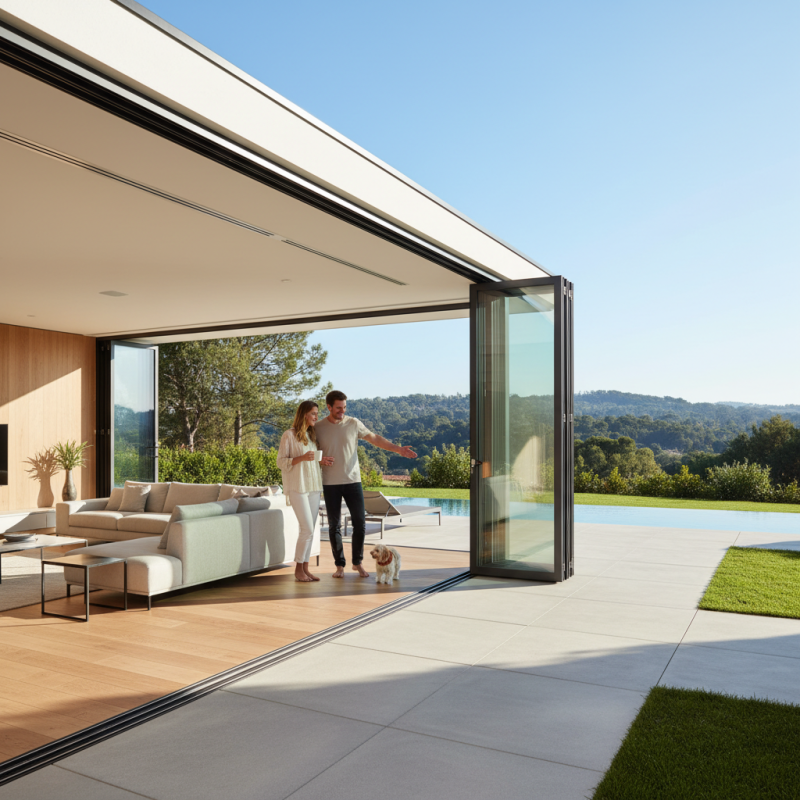
What is a Folding Door?
A folding door is a type of door that opens by folding back in sections. It’s an elegant solution for homes and businesses. These doors provide a seamless transition between indoor and outdoor spaces. They are popular for patios, balconies, and large rooms. When fully opened, they can create a wide entryway, perfect for gatherings.
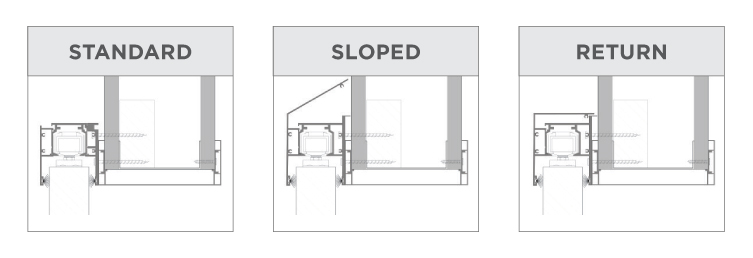
These doors consist of multiple panels connected by hinges. A folding door can slide aside easily. This design makes it suitable for smaller spaces. One can enjoy an open feel without needing a lot of room for door clearance. However, the installation requires precision. Misalignment can lead to operation issues. It’s best to ensure proper measurements before installation.
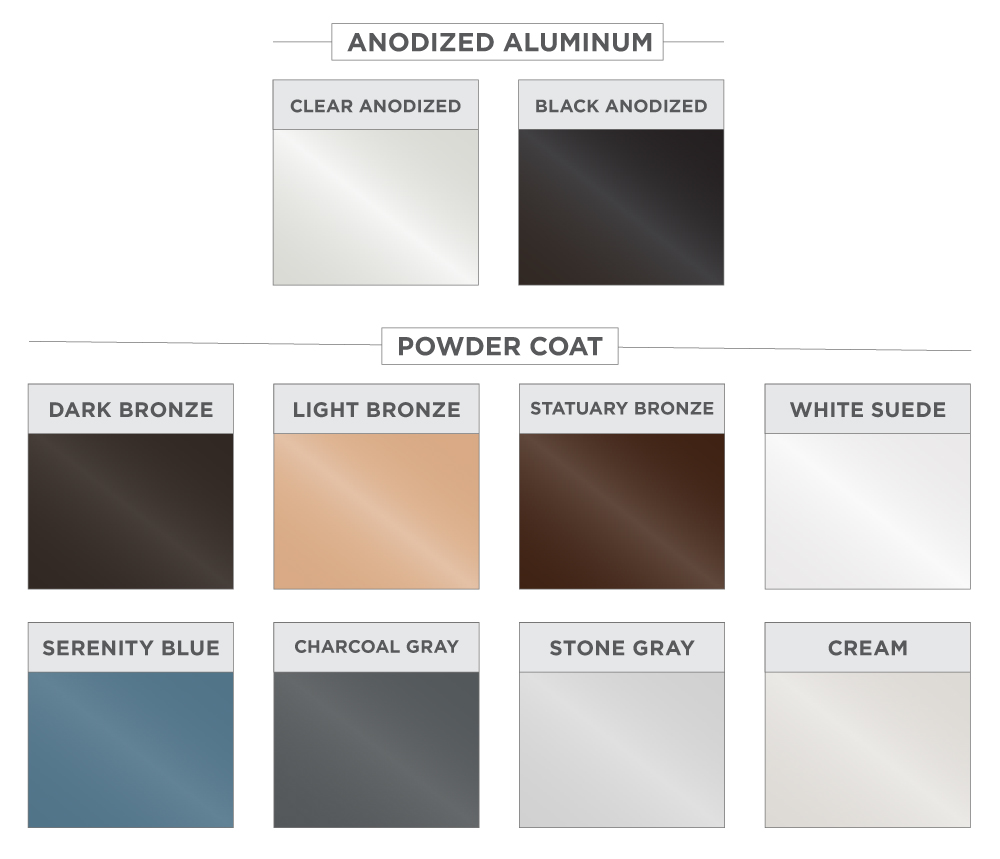
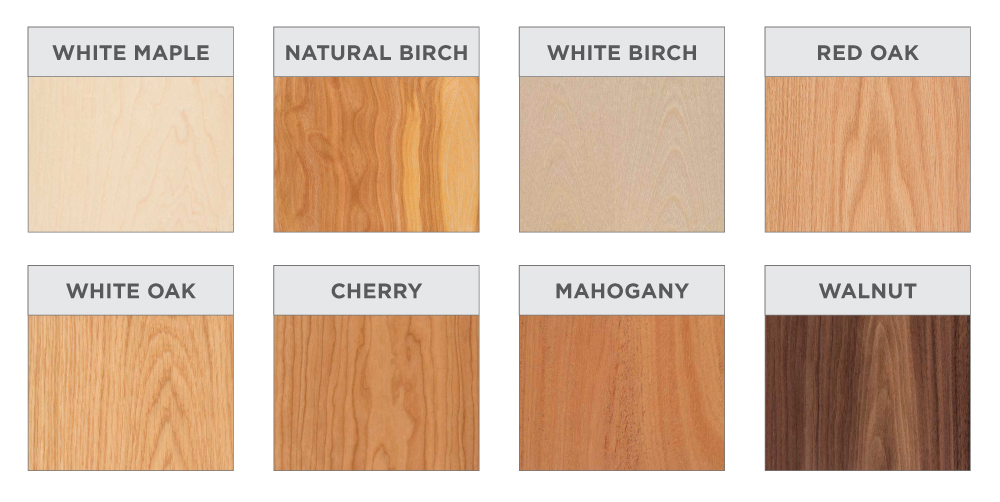
Folding doors often use lightweight materials. Wood, aluminum, and glass are common choices. Each material has its pros and cons. Wood offers warmth but requires maintenance. Aluminum is durable but may lack character. Glass can enhance aesthetics but poses safety concerns. Balancing these factors can be challenging. Users must reflect on their priorities when selecting a folding door.
Folding Door Usage Statistics
The chart below displays the percentage of various applications for folding doors, highlighting their versatility in different environments.
History and Evolution of Folding Doors
Folding doors have a long and fascinating history. Their origins date back to ancient civilizations. Early examples were made of wood or simple materials. These doors were practical, allowing for better use of space in homes and public buildings. Over centuries, designs evolved to include more durable materials. Metal and glass folding doors became popular during the industrial revolution.
The design has continued to adapt. In the mid-20th century, folding doors gained popularity in residential spaces. They often serve as room dividers or entryways to patios. Homeowners appreciated their ability to merge indoor and outdoor spaces seamlessly. However, these doors have their challenges; maintenance can become an issue, especially in humid climates.
Tip: Regularly check the hardware of your folding doors. Look for rust or wear and tear. Addressing small issues early can prevent larger problems later.
Another interesting aspect is customization. While many people love standard designs, some opt for bespoke options. This can lead to unique looks but might involve complex installation. Reflect on your needs before diving into customized designs. Balancing practicality and aesthetics is key. Choose what works best.
Mechanism of Folding Door Operation
A folding door operates on a simple yet effective mechanism. Its design allows panels to fold inward or outward, creating a wide opening. This feature is perfect for maximizing space in smaller areas or seamlessly connecting indoor and outdoor environments. Often, multiple panels are hinged together, allowing for smooth, accordion-like movement. This folding capability provides flexibility in how spaces are utilized.
In terms of operation, a folding door typically employs a track system. Rollers attached to the top of each panel glide along this track, assisting in smooth transitions. It's a straightforward design, but it can encounter issues. Dust or debris can obstruct the rollers, leading to sticky movements. Proper maintenance is crucial. Regular cleaning ensures that the door operates efficiently.
While folding doors enhance aesthetics and functionality, they can sometimes be cumbersome. Closing all the panels can be a hassle, especially with heavier materials. Users might find the check of panel alignment a bit daunting at times. It’s essential to familiarize oneself with the door’s mechanics for smooth operation. Understanding these nuances can lead to a more enjoyable experience with folding doors, though some challenges remain.
Types of Folding Doors Available
Folding doors are versatile options for both residential and commercial spaces. They can transform an area quickly. Many types exist, each serving different needs. One common type is the bi-fold door. It typically consists of two panels that fold back against each other. These doors can open up large spaces, creating a seamless connection between indoors and outdoors.
Another popular choice is the accordion door. This type is made up of multiple panels that slide along a track. Accordion doors are ideal for smaller areas. They can easily divide spaces while still allowing for flexibility. Additionally, there are glass folding doors that offer both style and functionality. These doors let in natural light, enhancing the overall atmosphere.
However, choosing the right folding door can be challenging. Each type has its limitations. Bi-fold doors may require more clearance. Accordion doors might not suit every decor. It is essential to consider the space and the intended use. Measure carefully and think about the aesthetics. These details can make a significant difference in your choice.
Benefits and Applications of Folding Doors
Folding doors have gained popularity in both residential and commercial spaces. They offer flexibility in room design and usage. According to industry reports, the global folding door market is projected to grow by 7.5% annually, reaching $15 billion by 2025. This growth reflects their increasing appeal among architects and homeowners.
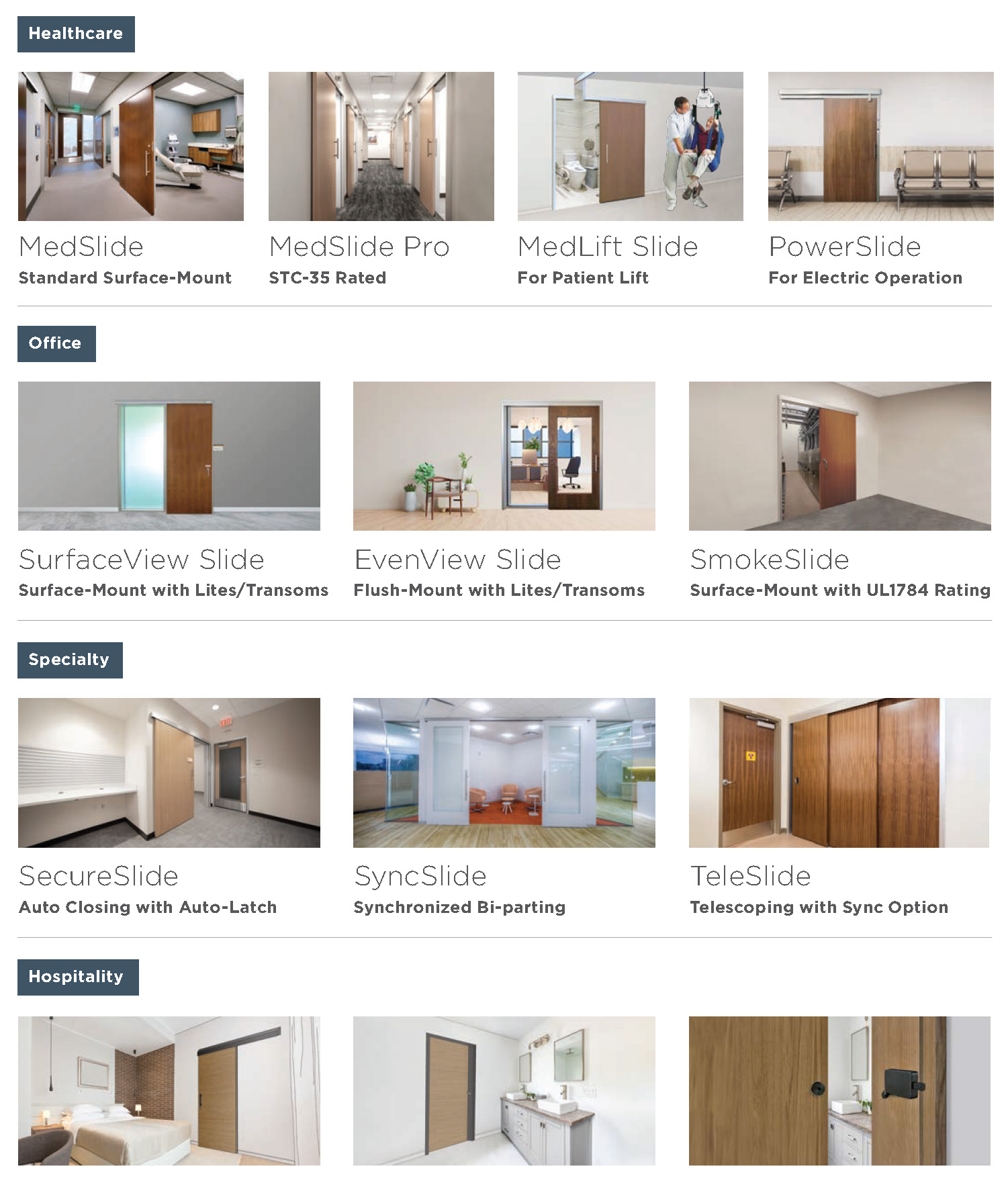
The applications of folding doors are diverse. They are ideal for patios, allowing natural light and ventilation to flow in. In commercial settings, businesses utilize them to create open spaces for events. However, there are challenges to consider. Installation can be complex, requiring skilled labor. Additionally, maintenance is essential to ensure that the mechanisms function smoothly over time.
Folding doors also provide aesthetic benefits. They come in various materials and designs, enhancing the overall look of a space. Yet, not all options are suitable for every environment. For example, humidity can affect wooden models, causing warping. Recognizing these factors is important when choosing a folding door for your project. Balancing aesthetics and functionality can be tricky, but the right choice can transform any area.