Top 10 Factors Affecting Tyre Pyrolysis Plant Cost?
A tyre pyrolysis project is not priced by reactor size alone. Its real budget emerges from a chain of decisions: daily capacity, tyre preparation, reactor design, heating system, emissions controls, product recovery, automation, site works, utilities, freight, and installation. Each choice leaves a physical mark. A larger steel reactor may need stronger foundations; tighter emissions monitoring may require extra equipment and skilled operators.
The market context matters. The U.S. EPA’s Scrap Tires: Material-Specific Data estimates that the United States generated about 290 million scrap tyres in 2018. That is a useful baseline, not a current global total. ETRMA’s European end-of-life tyre reporting also illustrates that collection systems and recovery routes differ by market. These differences can affect feedstock availability, transport distance, and operating assumptions. Small details matter.
This guide examines the Top 10 Factors Affecting Tyre Pyrolysis Plant Cost and explains what buyers should verify before comparing quotations. Request an itemized scope, including commissioning, spare parts, and emissions-control equipment. Check whether quoted capacity means tyres fed per day or finished products produced. Ask how moisture, wire, and textile content affect throughput. A low headline price can hide exclusions. And a polished estimate can still rest on weak assumptions. Treat every figure as a starting point, then test it against your site, feedstock, and operating plan.
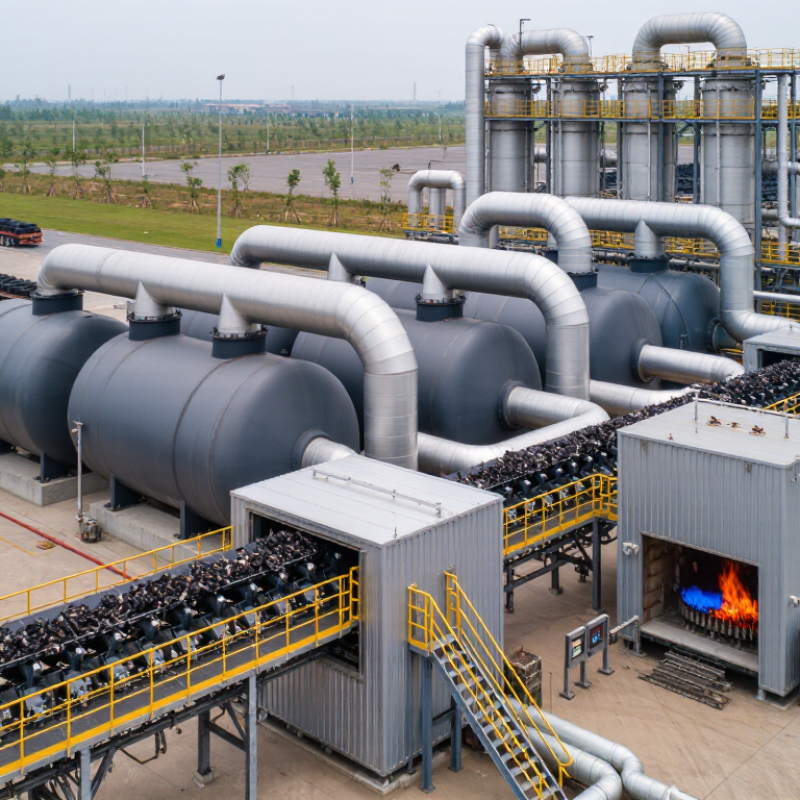
How Plant Capacity and Processing Design Shape Initial Costs
Top 10 Factors Affecting Tyre Pyrolysis Plant Cost?
How Plant Capacity and Processing Design Shape Initial Costs
Capacity changes more than the reactor size. A higher daily throughput needs larger tyre shredders, feed conveyors, condensers, oil tanks, and emissions-control equipment. These systems can raise upfront costs before production begins. The European Tyre and Rubber Manufacturers Association reported that Europe generated about 3.9 million tonnes of end-of-life tyres in 2020, with roughly 95% collected for recovery or reuse. That scale shows why reliable feed preparation and storage matter. But regional supply does not guarantee a steady local feedstock.
Processing design also shapes the investment. Batch plants may suit smaller, variable feed volumes, but require more operator attention between cycles. Continuous systems can handle steadier throughput, yet need coordinated feeding, discharge, cooling, and gas-cleaning equipment. A bottleneck in one section can limit the whole line. Plant quotes should therefore state rated capacity, expected operating hours, tyre size assumptions, and included utilities. Compare costs on the same basis; “tonnes per day” alone can be misleading.
Tips: Ask for a process flow diagram and an itemised scope. Check whether shredding, fire protection, installation, and emissions monitoring are included. A lower quote may omit essential equipment. Capacity is only useful when the full system can sustain it. One practical detail is often underestimated: space for tyre storage and safe vehicle access. That oversight can be expensive to correct later.
How Pyrolysis Technology and Equipment Choices Affect Investment
Pyrolysis technology shapes more than the reactor price. It determines the feed preparation, heat supply, gas cleaning, and product handling equipment around it. A batch system may need simpler controls, but repeated heating and cooling can reduce throughput. Continuous systems add conveyors, seals, and automation. They can also demand steadier tyre sizing and maintenance. Small details matter.
A review by López et al. in Renewable and Sustainable Energy Reviews (2013) reports that tyre pyrolysis yields vary with reactor design and operating conditions; typical products include roughly 40–60% liquid, 30–40% char, and 10–20% gas by mass. These are indicative ranges, not a plant guarantee. The choice of condensers and oil storage must match the expected vapour load. Char cooling, screening, and steel separation also add equipment and space. Easy to underestimate.
For a cost comparison, ask suppliers to state feed rate, operating hours, and product yields on the same basis. Include wire removal and tyre shredding in the scope, not just the reactor. Gas recirculation may reduce external fuel demand, but it requires suitable burners, piping, and safety controls. Emissions treatment and monitoring need a defined budget too. A low quoted reactor price can conceal these costs. Real operating data should be checked carefully; projections alone can look reassuring.
How Site Preparation and Utility Requirements Add to Plant Costs
Site preparation can quietly reshape a tyre pyrolysis plant budget. A plot that looks level may still need geotechnical testing, soil replacement, drainage channels, and a reinforced process-equipment pad. Weak ground can require deeper foundations. That is costly.
The U.S. EPA’s 2022 Construction General Permit applies to qualifying construction disturbing one acre or more, making stormwater controls a real planning item. Silt fences, sediment basins, and stabilized truck entrances need space and maintenance. Utility connections add another layer: power, water, wastewater handling, and sometimes gas supply. The U.S. Energy Information Administration reported an average U.S. industrial electricity price of about 8.13 cents per kilowatt-hour in 2023. That is an operating benchmark, not a connection-cost quote; local transformer upgrades can raise initial capital costs sharply.
Walk the site before fixing the estimate. Check the distance to the nearest power line, water main, and road capable of carrying heavy equipment. A long cable route or undersized access road can trigger redesign and civil work. I would also budget for contingency, though the right allowance depends on soil tests and utility-provider studies. Estimates often look cleaner than the ground itself.
How Environmental Controls and Product Recovery Systems Affect Pricing
Environmental controls can shift a tyre pyrolysis plant’s price substantially. A basic exhaust line is not the same as a system with staged gas cleaning, dust capture, and continuous monitoring. Each added unit needs equipment, controls, installation space, and maintenance access. That adds cost. The actual design depends on feed rate, process configuration, and the site’s emissions requirements, so a single price figure can be misleading.
Product recovery systems also shape the budget. Condensers separate vapours into liquid fractions, while cooling loops and storage tanks help manage recovered oil. Better temperature control may improve consistency, but it brings pumps, instrumentation, and energy demand. Solid char needs its own cooling and handling arrangements. Small details matter: a poorly placed tank can complicate piping and routine inspection. Not glamorous, but important.
When comparing quotations, ask what is included: emissions treatment, condensers, tanks, sensors, and installation. Check whether the quoted capacity assumes a particular feedstock and operating schedule. These assumptions are easy to overlook. A neat spreadsheet can still miss local utility costs or future maintenance. Environmental and recovery equipment should be assessed as part of the whole plant, not as optional accessories. Estimates remain uncertain until the site and process requirements are clear.
How Installation, Labor, Automation, and Financing Shape Total Cost
A tyre pyrolysis plant’s quoted price rarely includes every cost of getting it operational. Installation depends on site conditions, equipment layout, and the distance between process units. Concrete foundations, drainage, cable runs, ventilation, and lifting equipment can add substantially to the budget. A narrow access road may also require smaller deliveries or extra crane time. Small details matter. Early site checks help, though they cannot predict every delay.
Labor affects both installation and daily operation. Skilled technicians may be needed for assembly, commissioning, operator training, and routine maintenance. Automation can reduce repetitive tasks and improve process monitoring, but sensors, controls, and software add upfront costs. They also require knowledgeable support; automation is not a substitute for trained staff. Financing shapes the total cost, too. Compare the full repayment amount, fees, deposit, and payment schedule, rather than focusing only on monthly payments. A longer term can ease cash flow while increasing total interest. Cost estimates deserve a second look when they omit training, spare parts, or commissioning. Some budgets will still miss something, and that is worth acknowledging before signing.