Top Tips for Choosing the Best MDF Doors for Your Home Renovation
When it comes to home renovation, making the right choices for every element of your space is crucial, and doors play a significant role in both functionality and aesthetics. Among the various materials available, Artificial Board MDF Doors have gained widespread popularity due to their versatile design options and durability. These doors not only provide a polished look to your interiors but also offer practical benefits that can enhance the overall appeal of your home.
Choosing the best MDF doors involves consideration of several factors, including style, finish, and how well they complement your existing decor. With an array of textures and colors available, homeowners are often faced with overwhelming choices. In this guide, we will explore essential tips for selecting MDF doors that suit your renovation project, helping you strike the perfect balance between beauty and practicality. Whether you are upgrading a single room or embarking on a complete overhaul, making informed decisions about your doors can significantly impact the final outcome of your home design.
Understanding MDF: Features and Benefits for Home Renovation
MDF, or Medium-Density Fiberboard, has gained popularity in home renovations for its unique combination of features and benefits. Comprised of wood fibers bonded together with adhesives under heat and pressure, MDF provides a smooth, uniform surface that is ideal for painting and veneering. Its non-porous structure makes it less prone to warping and splitting compared to traditional solid wood, ensuring a more stable choice for doors, cabinets, and moldings.
Another significant advantage of MDF is its cost-effectiveness. It is generally more affordable than solid wood, allowing homeowners to achieve a luxurious look without breaking the bank. Additionally, MDF doors come in a variety of styles and finishes, making them versatile enough to complement any interior design theme. Their ability to take on intricate details also makes them a preferred choice for custom designs, providing both aesthetic appeal and functional durability in home renovation projects.
Factors to Consider When Selecting MDF Doors for Different Spaces
When selecting MDF doors for different spaces in your home, it is essential to consider several key factors to ensure you make the best choice for both functionality and aesthetics. Firstly, the moisture resistance of MDF is critical, especially in areas like kitchens and bathrooms where humidity levels can fluctuate. According to a study by the American Hardwood Export Council, moisture-resistant MDF doors can reduce warping and extend the lifespan of the door, making them suitable for high-moisture environments. Homeowners should look for MDF options specifically designed to withstand moisture, which can significantly impact durability.
Another important consideration is the door's thickness and density. Research from the Wood Products Council indicates that thicker, denser MDF provides better sound insulation and resistance to dents and scratches, making them ideal for rooms such as home offices or bedrooms. For instance, an MDF door with a thickness of 1.5 inches can offer superior acoustic performance compared to standard options. Additionally, the design and finish of the MDF doors should complement the overall theme of your home. Customization options are plentiful, allowing homeowners to choose from various textures and colors that can enhance interior decor, especially in living rooms where aesthetics are paramount. By factoring in these elements, homeowners can ensure that their choice of MDF doors not only meets practical needs but also satisfies their design vision.
Comparing MDF Doors to Other Types of Doors for Home Use
When it comes to choosing doors for your home, understanding the differences between MDF doors and other options is crucial for making an informed decision. MDF, or medium-density fiberboard, is often favored for its smooth surface and versatility in design. Unlike solid wood doors, which can warp or shrink over time, MDF doors maintain their shape and offer consistent quality. This makes them ideal for various styles and finishes, from contemporary to traditional. Additionally, MDF is usually more affordable than solid wood, making it an attractive option for budget-conscious homeowners.
Comparing MDF doors to alternatives like solid wood or hollow core doors reveals several key considerations. Solid wood doors provide a classic aesthetic and superior durability, but they come with a higher price tag and may require more maintenance. Hollow core doors, on the other hand, are lightweight and economical but lack the sturdiness and insulation properties of MDF. While hollow core may be suitable for interior applications, MDF doors excel in areas that demand a balance between style, sound insulation, and ease of installation. Ultimately, selecting the right door depends on individual needs, aesthetic preferences, and budget constraints.
Comparison of Different Types of Doors for Home Use
This chart compares the popularity and cost-effectiveness of various door types including MDF, Solid Wood, and Hollow Core doors based on a recent survey.
Design Styles and Finishes for MDF Doors in Home Interiors
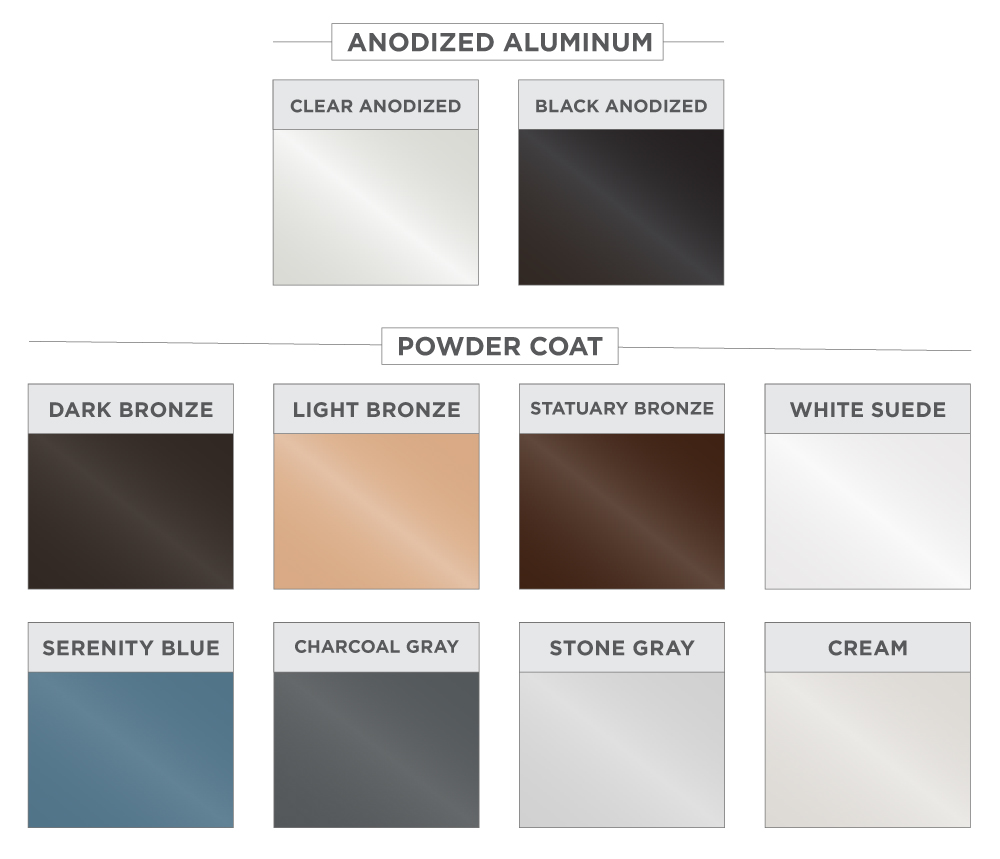
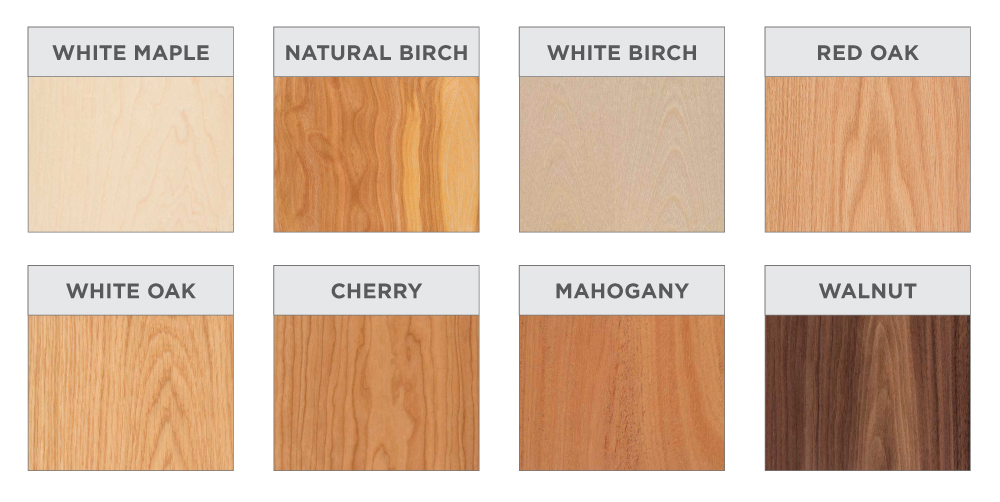
When selecting MDF doors for your home renovation, considering design styles and finishes is crucial to achieving the desired aesthetic. According to a recent industry report, over 50% of homeowners prioritize aesthetics and customizability when choosing interior doors, with MDF doors being a popular choice due to their versatility. These doors can be designed to mimic traditional wood grain finishes or painted in vibrant colors, offering endless possibilities to fit any design theme—from contemporary to rustic.
Moreover, the finish of MDF doors can significantly affect their longevity and maintenance needs. Professional finishings such as high-gloss or matte lacquers not only enhance the visual appeal but also provide a protective layer, ensuring durability against wear and tear. Recent statistics indicate that homes featuring high-quality finishes report a 30% increase in customer satisfaction regarding cleanliness and upkeep. Selecting the right design style and finish not only contributes to the home’s overall charm but also aligns with trends emphasized in design reports, highlighting the growing preference for sustainable and stylish materials in interior spaces.
Top Tips for Choosing the Best MDF Doors for Your Home Renovation
| Design Style | Finish Type | Suitable For | Durability Rating |
|---|---|---|---|
| Modern | Matte | Contemporary Homes | High |
| Traditional | Gloss | Classic Interiors | Medium |
| Rustic | Textured | Cottage Style | High |
| Industrial | Metallic | Urban Lofts | Very High |
Maintenance Tips for Keeping MDF Doors Looking New and Lasting Long
Maintaining the appearance and longevity of MDF (Medium Density Fiberboard) doors is essential for any home renovation project. According to industry reports, properly maintained MDF doors can last upwards of 10 to 15 years, making regular upkeep a critical aspect of maximizing their lifespan. One of the most effective ways to keep MDF doors looking new is through routine cleaning. A simple solution of mild soap and water, accompanied by a soft cloth, can effectively remove dirt and grime without damaging the surface. Avoiding harsh chemicals or abrasive cleaners is crucial, as they can lead to surface degradation or discoloration.
Another significant factor in maintaining MDF doors is controlling humidity levels in the home. MDF is sensitive to moisture, which can cause warping or swelling over time. The ideal indoor humidity level should hover between 30-50%. Using dehumidifiers in particularly damp areas of the house, such as bathrooms and basements, can help mitigate any potential damage. Additionally, applying a protective sealant or wood finish every few years can provide an extra barrier against moisture and wear, ensuring that your MDF doors remain aesthetically pleasing and structurally sound for years to come.