Skip to content

How to Choose the Best Flush Mount Light for Your Home?

Choosing the right Flush Mount Light for your home can significantly impact both functionality and aesthetics. According to industry reports, nearly 70% of homeowners prioritize lighting fixtures as an essential element of interior design. Flush mount lights offer a sleek profile that fits well in various spaces, from contemporary to traditional. They are perfect for low ceilings, providing an efficient way to illuminate a room without overwhelming the décor.

However, selecting the best flush mount light isn't always straightforward. Key factors include style, brightness, and energy efficiency. With over 80% of consumers valuing energy-saving solutions, choosing LED flush mount lights can reduce electricity bills while enhancing environmental sustainability. Contrast this with traditional options, which might provide less light at a higher cost over time. Yet, consumers often overlook the importance of fixture size and placement. Too small or too large a fixture can disrupt harmony in a room.

In a market flooded with options, understanding your specific needs is crucial. Flush mount lights come in various designs, and their quality can vary. Research shows that reputable brands often provide warranties, ensuring reliability. Nonetheless, many buyers tend to compromise on quality for style. This approach can lead to dissatisfaction. Taking the time to reflect on personal needs and space requirements will lead to a more fulfilling choice of flush mount light.
How to Choose the Best Flush Mount Light for Your Home?

Factors to Consider When Selecting Flush Mount Lights

Choosing the right flush mount light involves careful consideration of several factors. Start with the size of the space. A large room can feel empty without adequate lighting. Conversely, a small room may seem crowded with an oversized fixture. Measure your ceiling height, too. Lower ceilings benefit from more compact lights.

Now focus on style. Flush mount lights come in various designs, from modern to traditional. Ensure the style complements your existing decor. Color temperature matters as well. Warmer tones create a cozy atmosphere, while cooler tones promote alertness. Think about the mood you want to set.

Don’t forget about the light bulb type. LED bulbs are energy-efficient, but not everyone likes their stark brightness. Test a few options before making a decision. Installation is another consideration. Some fixtures require professional help, while others can be a DIY project. Reflect on your skills and comfort level before proceeding.
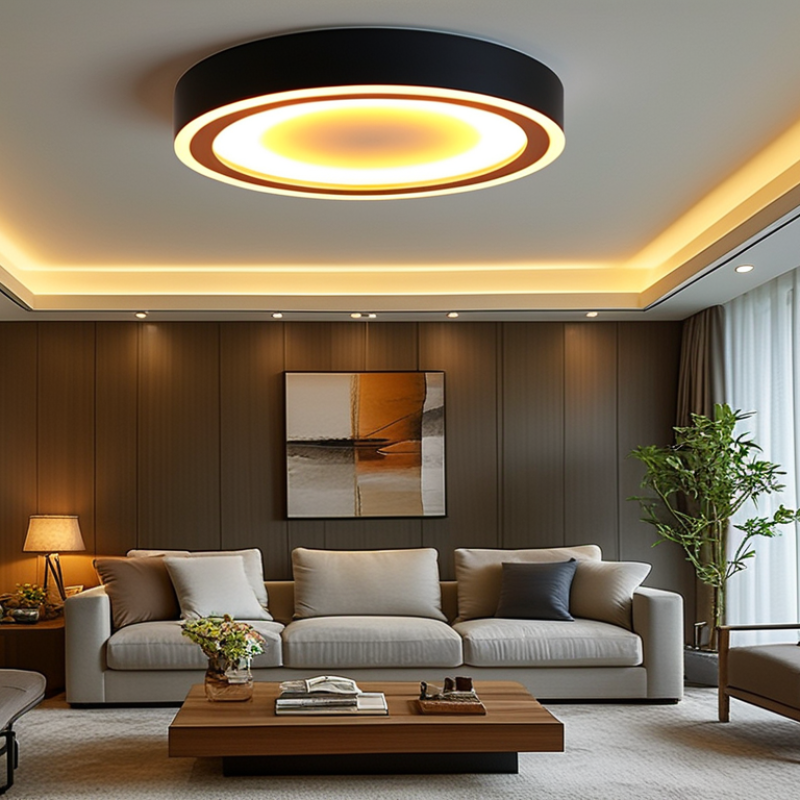
Types of Flush Mount Lights and Their Applications

When selecting flush mount lights, understanding the types available is crucial. Flush mount lights can be broadly divided into a few categories: traditional, modern, and semi-flush mount. Each type serves various purposes and fits different decor styles. According to industry data, traditional fixtures are often seen in entryways and hallways, providing ambient lighting. Modern designs work well in contemporary spaces, adding a sleek touch.

In terms of applications, semi-flush lights are particularly versatile. They hang slightly lower, creating a warm atmosphere in dining rooms and living areas. Data from a recent lighting report indicates that 30% of homeowners prefer this type in common areas. Choosing the right type for specific spaces is essential for both aesthetics and functionality. However, many homeowners overlook the importance of size and brightness.

Flush mount lights vary in size and lumens output. For a room of 100 square feet, aim for fixtures providing at least 1,500 lumens. It's vital to consider ceiling height and arrangement as well, as improper lighting can lead to shadows or an overly bright space. Poorly designed lighting can make a room feel cramped or harsh. Balancing style and practicality requires attention and thought.

Determining the Right Size for Your Space

Choosing the right size flush mount light is crucial for achieving a harmonious look in your home. The typical guideline is that the diameter of the light fixture should be about one-third the width of the room. For example, in a 12-foot room, a 36-inch light works well. Still, it's essential to consider the ceiling height too. A higher ceiling can often accommodate larger fixtures without overwhelming the space.

In smaller areas, like hallways or small bedrooms, a fixture around 12 to 18 inches in diameter is generally appropriate. Overly large fixtures in these spaces can feel cramped. According to industry reports, up to 70% of homeowners regret not taking size into account before installation. A well-proportioned light can enhance a room's design significantly, while a poorly chosen one can detract from it.

**Tip:** Consider the style and design of your home when selecting light fixtures. A rustic home may benefit from warmer, softer lighting, while contemporary styles may require sleek, modern designs.

Remember to balance functionality with aesthetics. Ensure that the selected flush mount light distributes light evenly across the area, avoiding harsh shadows. Some homeowners find that dimmable options provide flexibility, especially in multifunctional spaces.

Choosing the Right Size for Flush Mount Lights

This chart illustrates the recommended fixture sizes for flush mount lights based on different room sizes. Choosing the appropriate diameter is essential for achieving optimal lighting and aesthetics in your space.

Choosing the Right Style and Design for Your Home

When selecting a flush mount light, style and design are crucial. A study by the American Lighting Association shows that 45% of homeowners prioritize design over functionality. This decision can impact the overall aesthetic of your space. Choosing the right design is not only about personal taste but also about how the fixture integrates with your home decor.

Consider the ambiance you want to create. For instance, modern flush mount lights often feature clean lines and minimalist designs. On the other hand, traditional styles might include ornate finishes and vintage elements. Reports indicate that over 60% of consumers feel that lighting sets the mood in a room. Selecting a style that matches your home’s architecture will enhance its character. However, many people overlook proportion. A large fixture in a small room can make space feel cramped.

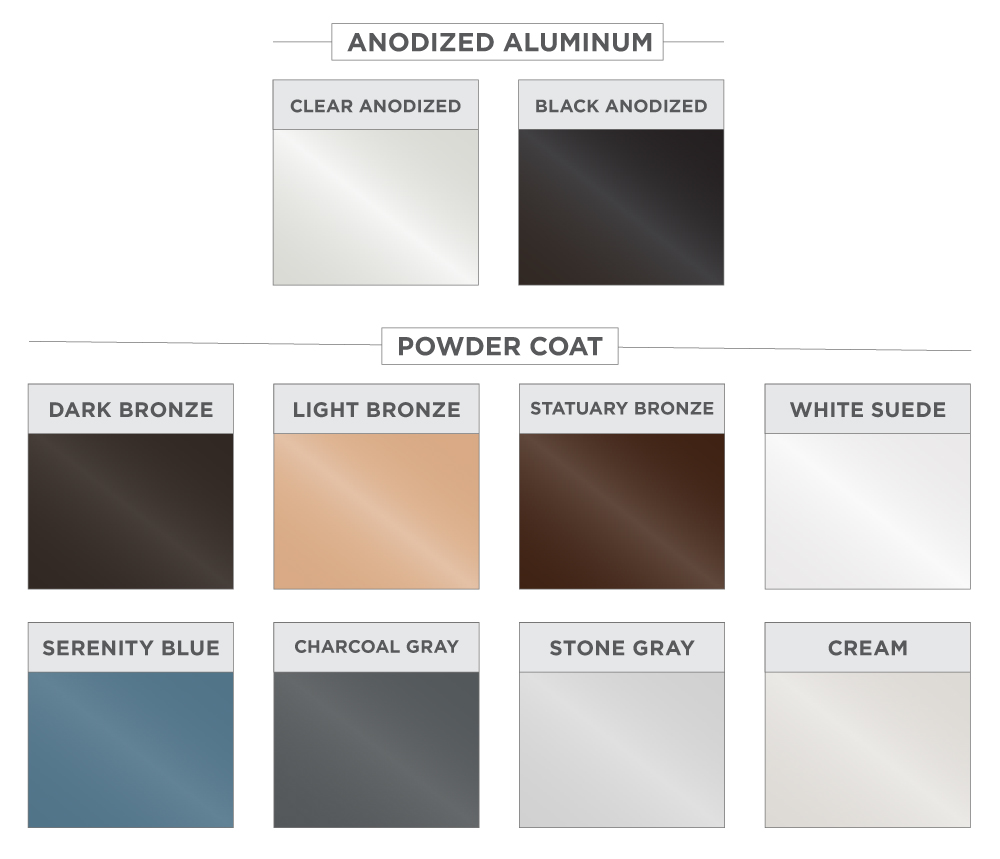
It's also essential to choose materials wisely. Metal finishes are popular for their durability, while glass can add elegance. However, glass may require frequent cleaning, revealing an imperfect side of maintaining designs. Homeowners should reflect on these aspects before making a purchase, as design should never compromise practicality. Aim for a balance where beauty meets usability. This thoughtful approach will lead to a harmonious space, showcasing your unique style.

Understanding Bulb Options and Energy Efficiency

Choosing the right flush mount light involves understanding bulb options and energy efficiency. LED bulbs remain the top choice today, with data from the U.S. Department of Energy indicating they can cut energy consumption by at least 75% compared to incandescent bulbs. This remarkable efficiency means you not only save money on your electric bills but also reduce your carbon footprint.

When it comes to brightness, look for lumens rather than watts. For example, a 10-watt LED bulb typically produces about 800 lumens. In contrast, a traditional incandescent requires 60 watts to achieve the same brightness. This shift in measurement is crucial. It shows how modern lighting can provide equivalent illumination while being far more energy-efficient. In some instances, consumers still gravitate toward less efficient options, often due to misconceptions about light quality or cost.

Considering color temperature is also vital. Bulbs range from warm white (2700K) to daylight (5000K). Warm white creates a cozy atmosphere, ideal for living spaces. Daylight bulbs are better suited for task-oriented areas like kitchens. Still, preferences vary significantly among individuals. Many find that warmer tones make spaces feel more inviting, yet this is often less emphasized in practical discussions. Understanding these nuances can lead to better lighting choices in your home.