Skip to content

How to Choose the Best Light Beam Lamps?

Choosing the best Light Beam Lamps starts with the space, not the product label. A narrow beam can sharpen a display, while a wider beam spreads light across a countertop or reading area. The right choice depends on beam angle, brightness, color temperature, color rendering, and how far the lamp sits from its target. Small details matter. A glossy table can reveal glare that looked invisible in a showroom.

Lighting designer John Cullen is a useful professional reference for thinking about how light shapes a room. The following line is an editorial summary, not a verified direct quotation from him: “Choose the beam for the task, then judge it in the space.” That distinction matters; reliable buying advice should not dress up an invented sentence as a recorded quote. In this guide, we’ll compare beam patterns, explain key specifications, and consider practical checks such as dimmer compatibility, heat, and installation conditions. A simple test helps: aim the lamp at a wall or sample surface, then look for harsh edges, dark gaps, and uncomfortable glare. Check the actual room, too. Ceiling height and nearby finishes can change the result. Specifications offer a useful starting point, but they cannot predict every visual effect. Even careful choices sometimes need adjustment. That is normal. The goal is balanced, comfortable light that suits the task and feels right in everyday use.
How to Choose the Best Light Beam Lamps?

What Are Light Beam Lamps and How Do They Work?

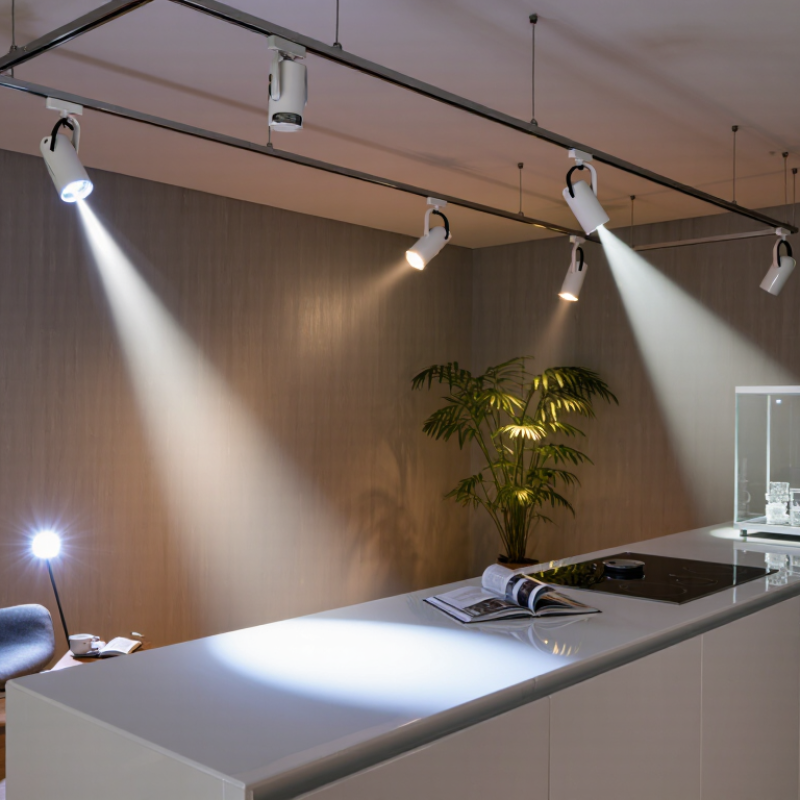
Light beam lamps are lighting fixtures designed to send light in a directed pattern rather than spread it evenly in every direction. They usually combine a light source, such as an LED, with a reflector or lens that shapes the beam. The beam angle describes how widely the light spreads: a narrow angle creates a concentrated pool, while a wider angle covers more surface. Some designs allow the beam to be adjusted; others have a fixed spread. Simple idea. The actual result also depends on distance, fixture position, and nearby surfaces.

For example, a narrow beam aimed at a textured wall can reveal grooves and create strong shadows. Move it closer, and the bright area becomes smaller; move it farther away, and the light spreads while appearing less intense. That can be useful for highlighting an object, but it may cause glare if aimed toward eye level. Check the beam angle, brightness, and any stated color temperature, then consider the room’s size and mounting height. A product image can be misleading. A lamp that looks precise in a studio may feel harsh in a small living room, so test its position before settling on it.
Which Lighting Needs Should You Identify Before Choosing?

Before choosing a light beam lamp, identify what the light must help you do. Reading, displaying artwork, and illuminating a workbench need different coverage. Note the target’s size and distance from the lamp. A narrow beam can highlight a small sculpture, but it may leave nearby surfaces dark. For a desk, check whether the beam covers your hands and the full working area without creating sharp shadows.

Consider the room’s existing light, wall colors, and mounting position. Dark walls absorb more light, while pale surfaces reflect it. A lamp mounted high may need a wider beam to reach a table evenly. Check the beam angle and brightness together; a powerful, narrow beam can feel harsh at close range. Warm or neutral color tones also affect how wood, fabric, and printed text appear. People often overlook glare until they sit down and look toward the lamp. It is worth testing the position before fixing it permanently.

Tips: Mark the target area with tape, then compare the beam at its actual mounting distance. Check for bright spots and dim edges. If possible, test the lamp at the time you use the space most. Measurements help, but they do not capture every room’s feel. Recheck your choice after a few days.

How Do Beam Angle, Brightness, and Color Affect Performance?

Beam angle determines how widely a light spreads. A narrow beam creates a focused pool of light on a display or work surface. A wider beam covers more area, but may appear less intense at the center. Check the lamp’s distance from the target: a beam that looks broad nearby can leave dark edges when mounted high. Small details matter.

Brightness is not just a lumen number. Lumens describe total output, while lux indicates how much light reaches a particular surface. For reading or detailed work, compare light levels at the actual working distance, and watch for glare on glossy tables or screens.

Color temperature also changes how a space feels. Warm white can soften a living area; cooler white often makes task areas feel more alert. Color rendering matters too: a high CRI helps clothing, food, and paint look closer to their real colors. A bright lamp with poor color quality can still disappoint. It is easy to overlook that.

Tips: Match the beam angle to the area, then test brightness where the light will land. If possible, view the lamp after dark and from seated eye level. A small adjustment in aim can reduce harsh shadows, though the result may still feel different in a finished room.

Which Power, Durability, and Safety Features Should You Compare?

When choosing a light beam lamp, compare useful beam distance, runtime, and power draw—not just peak lumens. A narrow, intense beam can illuminate a far wall but leave nearby steps dim. The U.S. Department of Energy’s Energy Saver guidance says LED lighting uses at least 75% less energy and can last up to 25 times longer than incandescent lighting. That is a useful technology benchmark, not a promise about any complete lamp or battery. Check whether the maker lists output and runtime together.

Durability claims need a test method. The ANSI/PLATO FL 1 standard provides consistent methods for reporting runtime, impact resistance, and water resistance. Under its runtime method, measurement ends when output falls to 10% of its initial level, so compare like-for-like figures. For a work lamp, inspect the lens, housing, seals, and handle; a small crack or loose cover can matter more than a rugged-looking shell. Safety matters too: seek suitable independent electrical-safety testing, battery protection, and thermal safeguards. A lamp that grows very hot during a short test deserves a closer look.

Tips: Match beam distance to the actual task, then check runtime at the brightness you will use. Confirm that charging instructions are clear and that replacement batteries are specified. Ratings can be imperfect; test the lamp in your own room or work area before relying on it.

How Can You Match a Lamp to Its Intended Setting?

Match the beam to the task, not just the room. A narrow beam concentrates light on a workbench, artwork, or reading chair, but it can leave nearby areas dim. A wider beam spreads light across a hallway or small living space. Check the lamp’s beam angle and the distance from the surface; the same lamp may feel focused at one height and scattered at another.

Notice what the light will touch. For kitchen counters, position the beam to reduce shadows from your body, and avoid aiming it directly into someone’s eyes. In a bedroom, softer, broader light often feels calmer than a bright spot on the wall. Outdoors, choose a fixture rated for its exposure, and consider whether nearby windows might catch glare. Test it at night. A quick check with a movable lamp can reveal problems before installation.

Color temperature also affects how a setting feels. Warm light often suits relaxed areas, while neutral white can make detailed tasks easier to see. These are preferences, not strict rules; wall color and daylight change the result. I’ve seen a carefully chosen narrow beam create a harsh bright patch because the ceiling was low. That detail is easy to overlook, so compare the lamp’s spread at its actual mounting position.