How to Choose the Best Wood Style Decorative Panel for Your Space?
Choosing the right Wood Style Decorative Panel can transform any space. The charm of wood adds warmth and sophistication. Different styles and finishes impact the overall aesthetic.
When selecting panels, consider the room's purpose. A cozy living room may benefit from warm-toned wood. Meanwhile, sleek, modern panels might suit a contemporary office. The texture and grain of the wood also play essential roles. They can either complement or clash with existing decor.
Reflect on how you want the space to feel. Do you prefer rustic or polished finishes? Your choices should align with your vision. Remember, the process of selecting Wood Style Decorative Panels is not always straightforward. Take time to explore options. Ultimately, the perfect panel enhances your environment, but finding it requires patience and careful consideration.
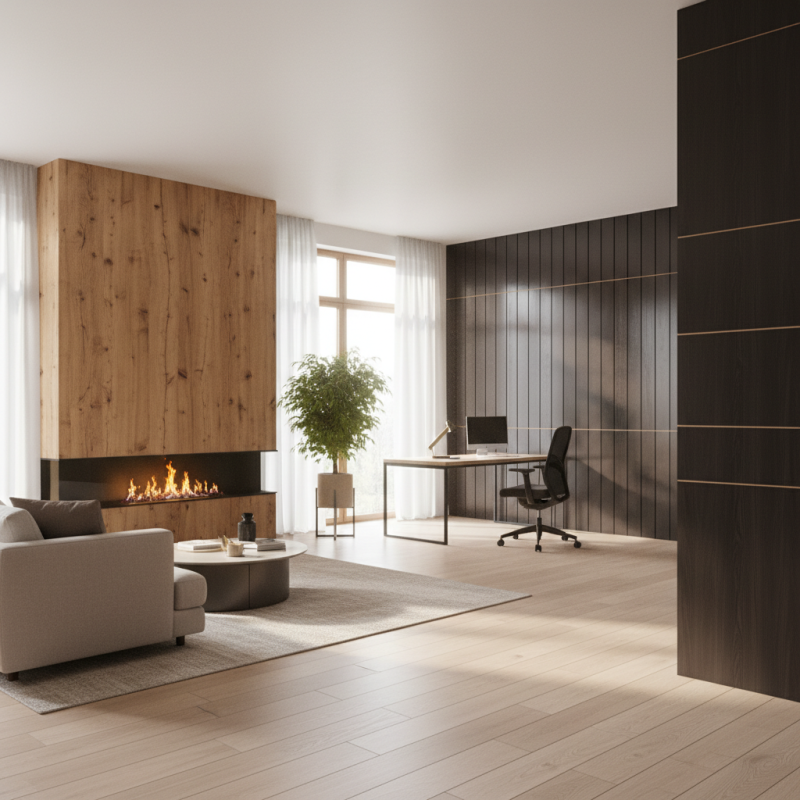
Understanding Your Space: Assessing Room Design and Functionality
When assessing your room design, consider functionality and aesthetics. A well-designed space reflects both style and purpose. Recent studies show that 70% of homebuyers prioritize open-concept living areas. However, clutter can ruin this appeal. Therefore, selecting decorative panels that complement your layout is essential.
Look at the dimensions of the room. Large spaces can benefit from bold wood styles, while smaller rooms may need lighter finishes. A report by the American Institute of Architects indicates that natural wood elements enhance the feeling of openness, making spaces appear larger. Textures like reclaimed wood can add depth but may seem too rugged in a modern design. Balance is crucial.
Focus on the room's function. A dining area requires warmth and intimacy, while an office should convey professionalism. Using decorative panels can create distinct zones. Some designs may be overwhelming in bright light. Experimentation with samples can lead to the right choice. Reflect on how each style fits your vision and purpose. Remember, the right panel conveys the desired ambiance, enhancing both aesthetics and functionality.
Choosing the Best Wood Style Decorative Panel for Your Space
This chart represents the preference for different wood styles in home decor based on recent surveys. It shows how various wood finishes are favored in different room types, which can help you assess the best fit for your design needs.
Exploring Different Wood Styles: Types and Aesthetic Appeal
When selecting wood style decorative panels, it’s essential to consider various types and their unique aesthetic appeal. Rustic wood offers a warm, inviting atmosphere. Its knots and imperfections add character. This style is perfect for a cozy cabin feel. However, it may not suit modern, sleek interiors.
On the other hand, sleek, polished wood panels appeal to contemporary tastes. They reflect light and create an elegant ambiance. These panels often feature clean lines and minimalistic designs. However, they can sometimes feel sterile without additional textures in the space.
Mixing wood styles can create a dynamic environment. Combining reclaimed wood with modern finishes adds depth and interest. It’s important to envision the overall vibe you want. Each wood type tells a different story. Reflecting on these styles may lead to unexpected combinations. Choose wisely for a truly cohesive look.
| Wood Style | Type | Aesthetic Appeal | Ideal Space |
|---|---|---|---|
| Natural Oak | Solid Wood | Warm, timeless beauty | Living Room, Dining Room |
| Reclaimed Barn Wood | Reclaimed Wood | Rustic, vintage charm | Entryway, Kitchen |
| Plywood Panels | Engineered Wood | Minimalist, modern look | Office, Study |
| Maple | Solid Wood | Bright, clean aesthetic | Bathroom, Bedroom |
| Walnut | Solid Wood | Luxurious, rich tones | Library, Home Office |
Matching Wood Panels with Color Schemes and Textures
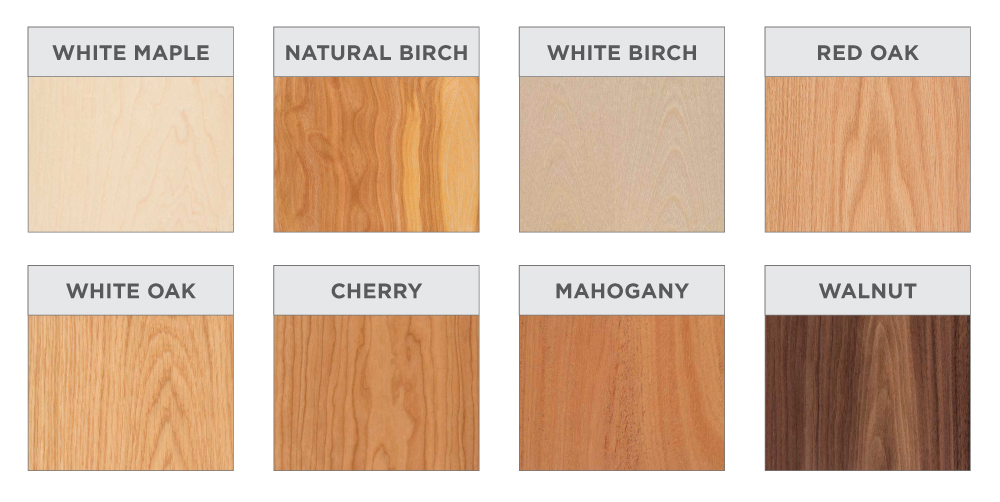
When selecting wood panels, consider your color scheme. Dark wood adds warmth to light colors. Light wood offers a fresh, airy feel. Mixing different shades can create depth. Aim for harmony between the wood tones and wall colors. Textures also play a crucial role. A smooth wood panel can contrast beautifully with rough walls.
Tips: Experiment with samples before making a decision. Lightweight, movable samples make this easy. Pay attention to how the light reflects on the wood throughout the day. It can drastically change the appearance. Don’t rush into a choice; reflect on how each panel feels in your space.
Remember, wood comes with natural imperfections. Knots and grain variations add character. This uniqueness can either enhance or clash with your design. Finding the right balance is key. Always think about the overall vibe you want to create. Don't hesitate to step back and reassess your choices.
Considering Durability and Maintenance Requirements for Wood Panels
When choosing wood style decorative panels, durability and maintenance are crucial. Solid wood offers beauty but can warp or crack. Engineered wood is more stable and resistant to humidity, making it an excellent choice for high-moisture areas.
Tip: Always consider your environment. If your space has fluctuating temperatures, engineered panels may save you from future issues.
Maintenance varies significantly between types. Solid wood requires regular sealing and sanding to maintain its finish. Engineered panels typically need less upkeep, just occasional cleaning with a damp cloth.
Tip: Develop a regular maintenance routine. Simple tasks can extend the life of your wood panels significantly.
Make sure to examine your lifestyle too. High-traffic areas may require more durable options. Hasty decisions often lead to regret later. Investing time in understanding material properties pays off.
Budgeting for Quality: Evaluating Cost vs. Value in Wood Panels
When selecting wood decorative panels, evaluating cost versus value is crucial. Quality wood panels can significantly enhance a space, yet their price varies widely. According to industry reports, high-quality panels typically range from $3 to $7 per square foot. This cost reflects their durability and aesthetic appeal. Lower-cost options may save money initially, but they often require replacement sooner.
Investing in better materials can yield long-term savings. Quality wood panels might have a higher upfront cost, but they last longer and require less maintenance. A report from the Wood Products Council states that investing in high-end wood finishes can improve a home’s resale value by up to 20%. This data suggests that choosing the right panels is not just about immediate cost.
Consider your space and desired style carefully. Certain wood types, like oak or walnut, offer unique beauty but can be pricier. The decision might seem daunting when balancing aesthetics and budget. Reflecting on the longevity and visual impact of wood panels can guide you. In the end, a thoughtful decision now can prevent regret later.