China Top Custom Door Decoration Suppliers?
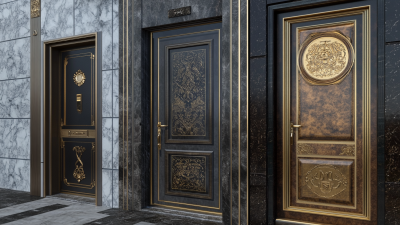
Choosing China’s top custom door decoration suppliers requires more than comparing catalog prices. The right partner should combine design experience, stable production, material knowledge, and clear communication. Custom door decoration may include carved panels, metal trims, glass inserts, engraved signs, handles, or complete decorative door systems. Each detail affects appearance, durability, installation, and cost.
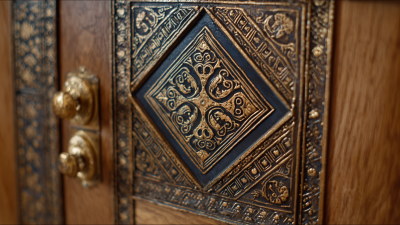
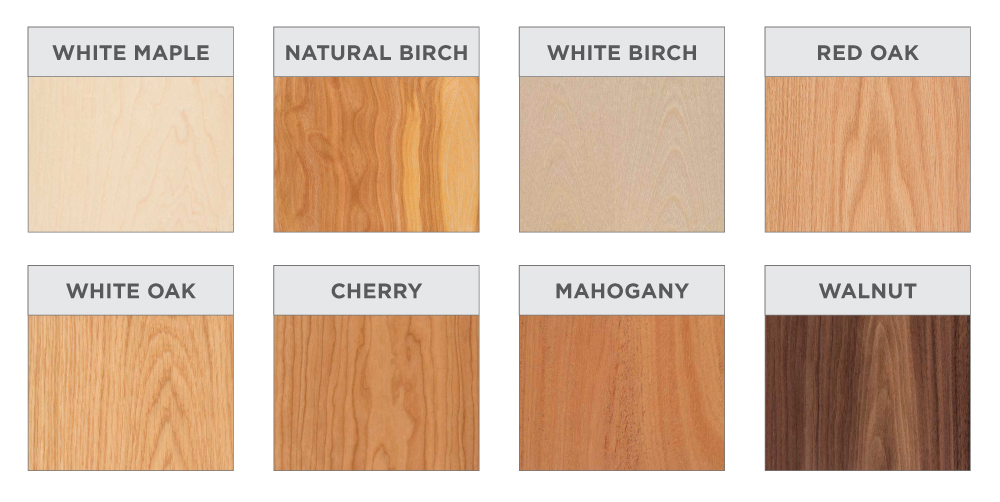
A reliable supplier usually provides material samples, finish options, technical drawings, and realistic production timelines. Ask how the factory manages moisture resistance, color consistency, edge protection, and packaging. A showroom photo can look impressive. The physical sample matters more. Touch it. Inspect it.
Experienced buyers should also review factory capacity, quality-control procedures, export experience, and customer feedback from similar projects. Suppliers serving hotels, retail stores, offices, and residential developments may understand different performance requirements. However, a large portfolio does not automatically prove dependable service. That assumption deserves caution.
Clear specifications reduce avoidable problems. Confirm dimensions, tolerances, hardware compatibility, surface treatments, fire-rating requirements where applicable, and installation responsibilities. Independent testing or recognized certifications may be appropriate for commercial projects, depending on the destination market. Documentation should be current and verifiable.
This guide examines leading Chinese suppliers through practical criteria, including craftsmanship, customization ability, communication, lead times, quality assurance, and after-sales support. It also highlights questions buyers sometimes overlook, such as replacement-part availability and protection during long-distance shipping. No supplier is perfect. The strongest choice is usually the one that explains limitations honestly and responds with workable solutions.
What Are Custom Door Decoration Suppliers in China?
Custom door decoration suppliers in China are manufacturers and design partners for made-to-order door surfaces. They may produce decorative panels, carved details, glass inserts, metal trims, and matching frames. Their work often serves hotels, apartments, offices, and private homes. A reliable supplier should explain material grades, finishing methods, production limits, and expected service life clearly.
In practical sourcing, the process usually starts with drawings, measurements, and reference images. The supplier may prepare a sample board showing color, texture, edge treatment, and hardware placement. Ask for material certificates and inspection photos. Confirm moisture resistance, fire performance, packaging, and installation requirements before approving production. These details reduce expensive changes later. Small errors matter.
Experienced suppliers can suggest suitable woods, laminates, coatings, or mixed materials for different environments. However, technical advice should match the actual project, not only the sales target. A first sample may look attractive but feel too heavy, too glossy, or difficult to clean. I have learned that factory capability must be checked through samples, production records, and direct questions. A polished catalog is not enough.
Delivery reliability also depends on clear drawings and written tolerances. Request a prototype before placing a large order. Check color consistency under natural and indoor light. Independent inspection can add confidence, especially for commercial projects. Some suppliers perform well on decoration but need stronger communication during revisions. That weakness deserves attention.
Key Types of Custom Door Decoration Products and Services
China-based custom door decoration suppliers offer more than printed panels. Their product range often includes carved wood, metal inlays, glass films, raised lettering, edge trims, and complete entrance sets. Each option changes the door’s weight, texture, and maintenance needs. A hotel may need brushed metal numbers and moisture-resistant coating. A retail shop may prefer illuminated lettering with concealed wiring. Residential projects often use laser-cut screens, timber grooves, or hand-finished reliefs. The right choice starts with traffic, climate, and cleaning routines. Looks matter, but performance decides satisfaction. Too many buyers learn this late.
Reliable suppliers usually provide drawing review, material samples, prototype approval, and production inspection. A technical designer should check hinge clearance, panel thickness, fixing points, and fire-rated requirements. Not every decorative idea suits every door. Some heavy metal ornaments can strain hinges. Some adhesives fail in humid corridors. Sample testing is practical, not decorative. Ask for coating data, tolerance ranges, packaging photos, and installation guidance. A supplier that documents these details is easier to assess. Communication quality also matters. Clear drawings prevent expensive revisions. Sometimes a quick video call reveals a measurement mistake.
Customization may include color formulas, pattern changes, size adjustments, modular kits, and replacement parts. Export-focused workshops may support small trial orders, mixed finishes, and phased delivery. However, quality can vary between samples and mass production. This is an uncomfortable point. Inspect the first batch carefully. Record surface defects, alignment, and hardware counts. A dependable partner accepts reasonable correction requests and keeps specifications traceable. Good decoration should survive daily contact, not only photograph well.
How China’s Leading Suppliers Manage Custom Design and Production
China’s leading custom door suppliers now treat design as controlled engineering, not simple decoration. Grand View Research valued the global doors market at about US$140.4 billion in 2023. It forecasts a 4.8% compound annual growth rate through 2030. This pressure makes accurate customization essential.
Experienced suppliers convert sketches into CAD drawings, material lists, and finish samples. They confirm dimensions, hinge positions, grain direction, and fire-rating requirements before production. A pilot door usually exposes hidden problems, such as uneven veneer color or weak edge bonding. During practical factory reviews, inspectors should compare approved samples against every production batch. Photos alone are not enough. The ISO Survey 2023 recorded more than 1.26 million ISO 9001 certificates worldwide, yet certification cannot replace product-level inspection. Some suppliers still depend too heavily on final checks. That is an avoidable weakness.
Tips: Request a signed technical drawing, approved color sample, moisture standard, and inspection plan. Ask how the supplier traces each door to its production date. Check packaging with a drop-test sample. Allow time for one correction round; rushed approval often creates expensive rework. Suppliers with in-house tooling can adjust profiles faster, but buyers should verify machine capacity and maintenance records. Small details matter.
How Leading Chinese Custom Door Suppliers Manage Production
The workflow below shows the typical share of project effort across the main custom-door production stages. Design approval, machining, and finishing usually require the greatest coordination because they directly affect fit, appearance, and final quality.
The percentages represent a generalized industry workflow allocation for custom manufacturing and are not company-specific performance data.
How to Select the Right Chinese Supplier for Your Project
Selecting a Chinese custom door decoration supplier requires more than comparing catalog prices. Define your door size, material, finish, hardware, and installation conditions before contacting factories. Send clear drawings with tolerances and reference photos. A capable supplier should explain production limits instead of accepting every request without questions.
Ask for recent project evidence, factory videos, quality procedures, and sample approval records. Request a physical sample with the exact veneer, paint color, edge profile, and decorative details. Check whether the sample matches the technical drawing. Small differences often become expensive during mass production. Confirm material certificates, moisture resistance, fire requirements, and packaging methods for your destination market.
Communication is a practical test. Measure response accuracy, not just speed. The supplier should provide a production schedule, inspection points, replacement terms, and export documents in writing. Independent pre-shipment inspection can reduce avoidable risks. I have seen projects delayed because buyers trusted polished samples but ignored factory capacity. That mistake is easy to repeat. Keep one approved sample, signed drawings, and change records. Leave room for revision. Door decoration depends on details that photographs may hide.