China Top Outdoor Bench Manufacturer and Supplier?
China has become a major sourcing base for commercial and public outdoor furniture. Buyers now expect more than low pricing. They want documented materials, stable production, and dependable after-sales support. This is where choosing the right Outdoor Bench manufacturer becomes important.
Market reports show steady demand. Grand View Research estimated the global outdoor furniture market at approximately USD 20.6 billion in 2022. Its report also projected continued growth through 2030. Mordor Intelligence has reported a similar positive outlook, although market definitions differ between studies. These differences deserve attention. Some reports include outdoor dining sets, while others separate public seating and hospitality furniture.
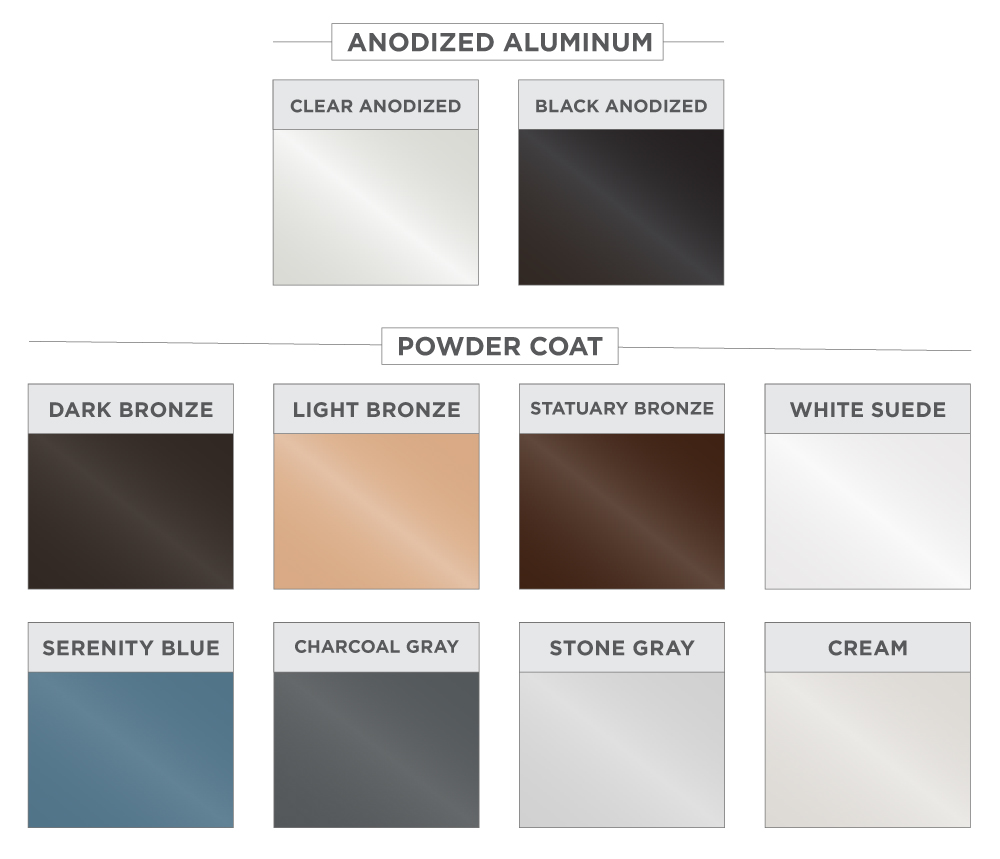
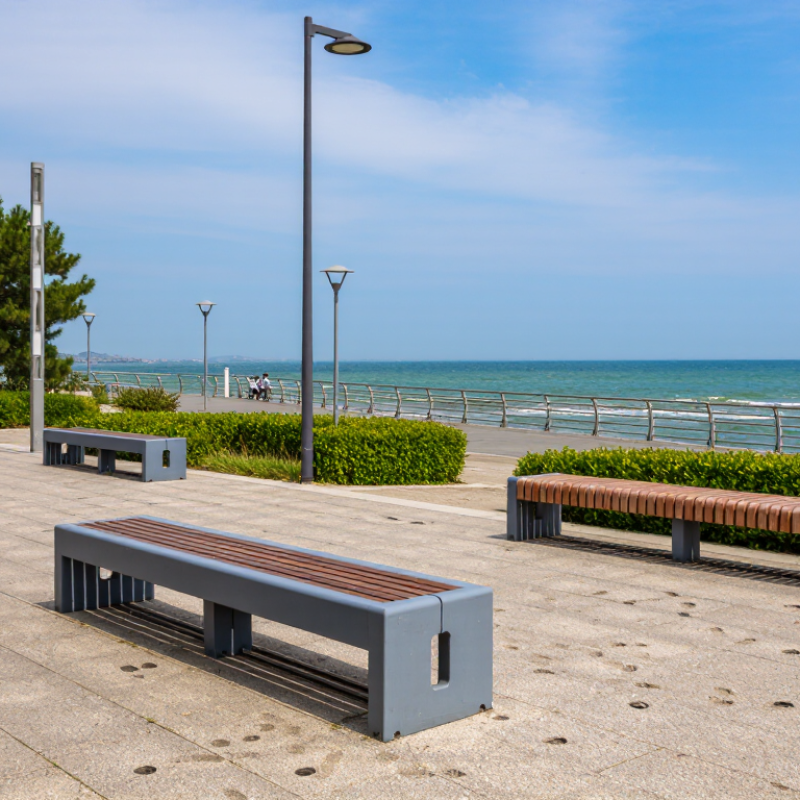
A qualified Chinese supplier should demonstrate practical manufacturing experience. Look for powder-coated steel, stainless steel, treated timber, or recycled plastic options. Ask about coating thickness, welding inspection, drainage design, and load testing. A bench placed beside a coastal walkway faces salt air, rain, sand, and repeated public use. Product photos cannot prove long-term performance.
Reliable factories should provide drawings, material specifications, inspection records, and clear production timelines. Compliance with relevant standards, such as EN 581 where applicable, can strengthen confidence. Factory audits and independent pre-shipment inspections add another layer of evidence.
Price matters.
It should not lead alone.
A lower quotation may hide thinner steel, weaker fasteners, or inconsistent coating quality. Even experienced buyers can miss these details. China’s supplier landscape is broad, and no single factory is perfect. This guide examines how to compare China’s leading Outdoor Bench manufacturers and suppliers with a more practical, evidence-based approach.
What Makes China a Leading Outdoor Bench Manufacturing Hub
China Top Outdoor Bench Manufacturer and Supplier?
What Makes China a Leading Outdoor Bench Manufacturing Hub
China has become a major outdoor bench manufacturing hub through its complete and connected supply chain. Steel tube, aluminum profiles, timber, fasteners, coatings, and packaging are often available within the same industrial region. This reduces transport time between production stages and supports more flexible project scheduling.
Experienced manufacturers combine welding, bending, drilling, sanding, and surface treatment under controlled procedures. Powder coating is widely used for outdoor metal frames because it offers consistent coverage and practical weather resistance. For wooden benches, moisture control and suitable outdoor finishes matter greatly.
Small details matter.
Many factories support custom dimensions, seat shapes, drainage gaps, colors, and installation methods. Professional suppliers usually provide material samples, production drawings, load testing, and inspection records before shipment. Buyers should verify these details rather than trust attractive catalog photographs. Factory audits and sample approvals can reveal welding marks, uneven coating, or weak packaging.
China’s manufacturing strength also comes from export experience and engineering adaptation. Suppliers regularly adjust designs for different climates, public spaces, and installation conditions. However, no workshop is flawless. Some factories may prioritize speed over long-term durability, especially when specifications are unclear. Clear drawings, measurable standards, and independent inspections help reduce this risk. A reliable partnership depends on honest communication, not promises alone.
Types of Outdoor Benches Available from Chinese Suppliers
China Top Outdoor Bench Manufacturer and Supplier?
Chinese suppliers offer many outdoor bench types for parks, schools, gardens, streets, and commercial courtyards. Backless benches suit open walkways and compact spaces. Slatted benches improve airflow after rain. Metal benches provide strong support and clean lines. Concrete benches resist heavy use, but they need careful delivery planning. Recycled plastic benches work well in damp areas and require limited maintenance. Some suppliers also produce tree-surround benches, picnic benches, and benches with hidden storage. Custom lengths, colors, armrests, and engraved panels are often available.
From practical sourcing experience, material selection should match the site, not only the appearance. Stainless steel performs well near moisture, while powder-coated steel needs reliable surface preparation. Hardwood can feel warmer, but it requires regular sealing. I once underestimated drainage around a bench installation. The bench looked excellent, yet standing water shortened its service life. Suppliers should provide material details, load testing records, surface-treatment information, and clear inspection samples. Factory visits or independent inspections can reveal welding marks, uneven gaps, and weak packaging.
Tips: Check seat height, edge comfort, anchor points, and maintenance needs before ordering. Ask for outdoor exposure data when possible. Confirm dimensions in writing. Small details matter. A cheaper bench may cost more after repeated repairs. Suppliers with consistent documentation and responsive communication are usually safer choices for long-term outdoor projects.
Materials and Manufacturing Standards for Outdoor Benches
China’s outdoor bench manufacturers commonly work with powder-coated steel, stainless steel, aluminum, hardwood, and recycled plastic. Each material suits different environments. Powder-coated steel offers strength and color flexibility. However, damaged coating can expose steel to rust. Stainless steel performs better near coastal areas, especially grades such as 316.
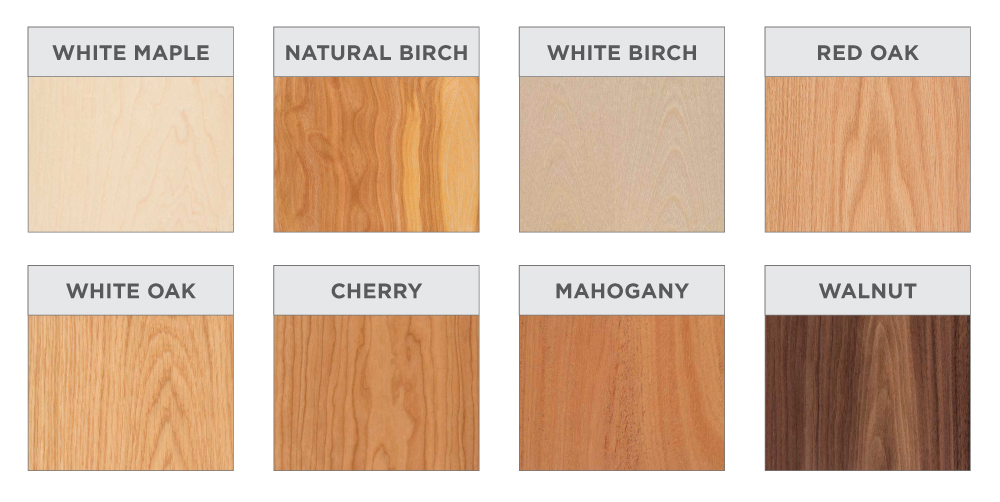
Wood requires closer attention. Teak and other durable hardwoods resist moisture, but they still need suitable detailing and regular inspection. Recycled plastic does not splinter easily and handles rain well. It may expand under strong sunlight. That movement must be considered during assembly. No material is maintenance-free.
A reliable outdoor bench supplier should explain its manufacturing process clearly. Look for controlled welding, rounded edges, smooth surfaces, and consistent coating thickness. Load testing should reflect the bench’s intended use, not only a factory sample. Useful documentation may include material certificates, coating test results, inspection records, and quality-management procedures such as ISO 9001.
Outdoor exposure tests can reveal problems. Salt-spray testing helps assess corrosion resistance, but it cannot fully reproduce every climate. Ask how long the test lasted and which standard was used. Also check anchoring options, drainage holes, bolt materials, and replacement parts. Small gaps matter. Water trapped inside a frame often causes unexpected damage.
Experienced suppliers usually provide drawings, sample approval, packaging details, and production photos. Still, communication can fail. A translated specification may hide an important tolerance. Confirm dimensions, color codes, load requirements, and installation conditions in writing before production. Reliable decisions come from evidence, not attractive catalog images.
How to Evaluate China’s Top Outdoor Bench Manufacturers
Evaluating China’s top outdoor bench manufacturers requires more than comparing catalog prices. Start with the intended setting: coastal promenade, hotel garden, school courtyard, or private terrace. Ask for drawings, load ratings, material grades, and production photos. An experienced supplier should explain why aluminum, galvanized steel, hardwood, or recycled polymer suits that environment. Vague answers are a warning. So is an unusually low quote.
Request physical samples before approving a large order. Inspect welds, corner edges, drainage holes, fasteners, and surface coating under bright light. Leave a sample outdoors through rain and strong sunlight when possible. Check whether water collects beneath the seat. I once treated a smooth finish as proof of quality; later, poor drainage exposed the real weakness. That mistake still matters. Ask for coating thickness records, salt-spray test details, timber moisture data, and batch inspection reports. Independent testing is more credible than polished photographs.
Reliable manufacturers communicate clearly about tolerances, packaging, replacement parts, and delivery schedules. Their factory should show traceable quality checks, from incoming materials to final loading. Confirm production capacity with recent project references, not only a decorated showroom. Clarify customization limits, tooling costs, and inspection responsibility in writing. A strong partner welcomes difficult questions. It may also admit a limitation. That honesty can protect your budget, installation time, and public users. Evaluate communication during sampling, because service after payment often reveals more than the first sales call.
| Evaluation Dimension | Weight | Practical Benchmark | Recommended Verification Evidence | Score Guide |
|---|---|---|---|---|
| Product Safety and Testing | 18% | The bench should be evaluated against applicable outdoor seating safety and mechanical-performance requirements, such as EN 581-1 and EN 581-2 where relevant to the destination market. | Independent laboratory test reports, product test specifications, load-test records, stability results, and documented corrective actions. | 0–5 |
| Material Durability | 15% | Materials should be selected for outdoor exposure. Metal products should specify alloy or steel grade, coating system, coating thickness, and corrosion-resistance testing method. | Material certificates, coating specifications, salt-spray or cyclic-corrosion reports, UV-exposure data, and incoming-material inspection records. | 0–5 |
| Manufacturing Quality Control | 14% | A documented quality-management system should control incoming materials, production inspections, final inspection, nonconformities, and traceability. | Quality manual, inspection checklists, sample inspection records, calibration certificates, defect-rate reports, and corrective-action records. | 0–5 |
| Production Capacity | 10% | The supplier should demonstrate capacity matching the required order volume, delivery schedule, customization level, and peak-season demand. | Monthly capacity statement, production-line details, staffing plan, equipment list, capacity calculation, and recent anonymized delivery performance. | 0–5 |
| Customization Capability | 10% | The manufacturer should support practical customization of dimensions, materials, colors, finishes, mounting methods, logos, packaging, and installation requirements. | Technical drawings, approved samples, engineering-change procedure, tooling quotation, prototype lead time, and sample approval records. | 0–5 |
| Environmental and Chemical Compliance | 10% | Products and finishes should comply with destination-market chemical and environmental requirements. Materials should be declared where recycled content or responsible sourcing is claimed. | Applicable REACH or RoHS declarations, restricted-substance test reports, FSC documentation when wood is used, recycled-content evidence, and waste-control records. | 0–5 |
| Supply-Chain Transparency | 8% | The supplier should clearly identify the manufacturing location, production scope, subcontracting policy, key material sources, and product traceability process. | Factory address, process-flow chart, supplier audit records, subcontractor disclosures, batch codes, and traceability samples. | 0–5 |
| Packaging and Logistics | 6% | Packaging should protect finished surfaces and structural components while using suitable export packaging, accurate carton dimensions, and verified shipping marks. | Packaging drawings, drop-test or transport-test records, container-loading plan, carton specifications, and damage-rate history. | 0–5 |
| Commercial Competitiveness | 5% | The quotation should provide a transparent total cost, including tooling, samples, packaging, inspection, delivery terms, replacement parts, and warranty obligations. | Itemized quotation, Incoterms, payment terms, tooling ownership terms, warranty policy, spare-parts pricing, and landed-cost comparison. | 0–5 |
| Communication and After-Sales Support | 4% | The supplier should provide clear technical communication, realistic lead times, complaint-response procedures, installation guidance, and replacement-part support. | Response-time records, sample complaint workflow, installation instructions, warranty-claim process, service contacts, and reference-project documentation. | 0–5 |
| Total Evaluation Weight | 100% | Recommended decision rule: shortlist suppliers that achieve at least 70% overall, pass all mandatory safety and compliance checks, and provide verifiable evidence rather than unsupported claims. | Maximum: 5.0 | |
Ordering, Customization, Quality Control, and Export Services
A reliable outdoor bench manufacturer begins with a clear ordering process. Buyers should share drawings, target quantity, installation location, wood or metal preferences, and delivery terms. Ask early. A practical supplier confirms dimensions, load expectations, surface treatment, packaging, and production timing in writing. This prevents costly changes after cutting begins. Sample approval should include seat height, edge comfort, drainage holes, color, and fastener position. Details matter.
Customization requires engineering judgment, not only attractive images. A bench for a coastal walkway needs corrosion-resistant hardware and a finish suited to salty air. Public spaces may require stronger anchoring and tested load performance. Experienced teams review these conditions before quoting. They can adjust slat spacing, leg structure, logo placement, and protective coatings without weakening the design. Still, no process is perfect. A computer drawing may miss how water collects beneath a seat, so a physical sample deserves careful inspection.
Quality control should cover incoming materials, welding or joinery, surface preparation, coating thickness, assembly, and final dimensions. Photos, inspection records, and batch labels improve accountability. Keep records. Before export, the supplier should check carton strength, pallet stability, moisture protection, and container loading efficiency. Clear commercial documents, accurate product descriptions, and destination requirements reduce customs delays. Export support should also include installation instructions and replacement hardware. A minor packaging issue can become a major site problem, especially when benches arrive far from the factory.
China Outdoor Bench Manufacturing: Reference Specification for Ordering and Customization
This reference profile uses practical dimensions for a two-seat outdoor bench: a 120 cm seat length, 45 cm seat height, 45 cm seat depth, and 40 cm backrest height. During ordering, buyers can customize dimensions, materials, finishes, colors, packaging, and hardware. Quality control commonly verifies dimensions, surface finish, coating adhesion, weld integrity, load performance, and packaging condition before export.