China Top CNC Aluminum Profile Manufacturer?
China remains the world’s largest primary aluminum producer. The U.S. Geological Survey’s Mineral Commodity Summaries 2024 estimated China produced about 41 million metric tons in 2023. This industrial scale supports a broad supply chain for precision extrusion, machining, anodizing, and assembly. It also creates a difficult question: does high output always mean reliable quality?
A serious China Top CNC Aluminum Profile Manufacturer must offer more than competitive pricing. Buyers should examine alloy certificates, extrusion tolerances, CNC inspection records, surface-finish samples, and production traceability. The International Aluminium Institute highlights aluminum’s growing role in transport, construction, and low-carbon manufacturing. The Aluminum Association also reports that recycled aluminum requires about 95% less energy than primary aluminum production. These findings make material selection and scrap recovery practical business concerns, not marketing phrases.
Details matter. A clean cutting edge, consistent wall thickness, and protected anodized surface can prevent problems during installation. Coordinate measuring machines, spectrometers, and documented first-article inspections strengthen supplier credibility. Experience still matters most when profiles include deep cavities, thin walls, or complex drilling patterns. No factory is perfect. Even experienced manufacturers may face tool wear, profile distortion, or color variation between batches. That weakness deserves honest discussion.
This guide explores how to evaluate a Cnc Aluminum Profile supplier in China. It considers engineering capability, quality systems, customization, lead times, packaging, and communication. Readers should verify claims through samples, audit evidence, and independent testing where necessary. A dependable manufacturer does not simply promise precision. It shows how precision is measured, repeated, and improved.
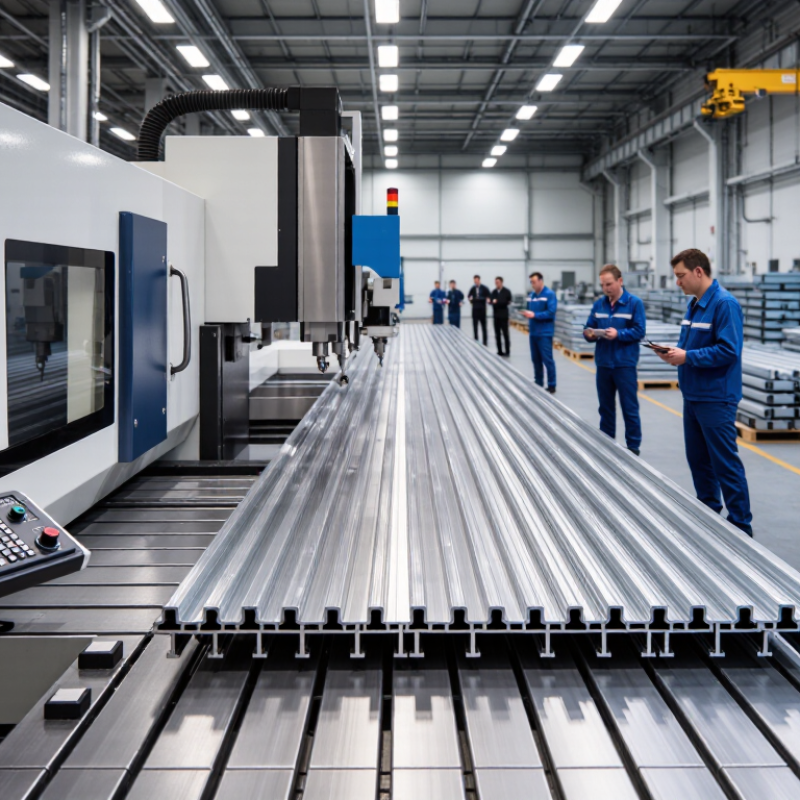
What Is a CNC Aluminum Profile Manufacturer?
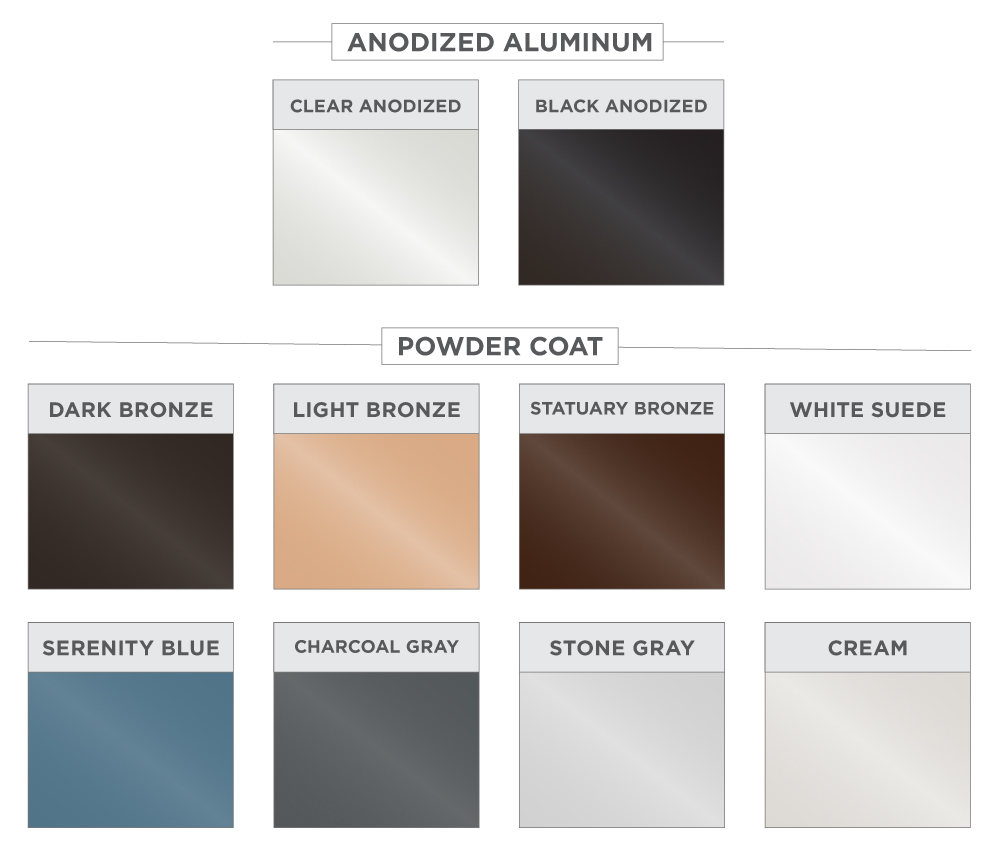
A CNC aluminum profile manufacturer designs, machines, and checks aluminum sections for specific industrial applications. The process usually begins with a technical drawing, alloy selection, and confirmed dimensional tolerances. Engineers review wall thickness, mounting points, surface finish, and the final installation environment.
CNC equipment then cuts, drills, mills, and sometimes taps each profile according to programmed instructions. A skilled manufacturer does more than operate machines. It checks tool wear, cutting speed, chip removal, and fixture stability during production. Small details matter. A misplaced hole can delay an entire assembly.
Reliable production also includes material certificates, first-piece inspection, and repeatable quality records. Inspectors may use calipers, height gauges, or coordinate measuring equipment to verify critical dimensions. However, no workshop is perfect. Heat, vibration, and programming mistakes can still affect results. Experienced teams investigate these issues instead of hiding them. They adjust processes and record the change for future orders.
A capable manufacturer also communicates clearly about tolerances, quantities, packaging, and delivery conditions. This practical cooperation reduces rework and protects the customer’s design. The best working relationship is not based on impressive promises. It depends on accurate drawings, honest feedback, and measurable inspection data.
How Material Selection Supports CNC Aluminum Profile Manufacturing
Thermal conductivity is a practical material factor for CNC-machined aluminum profiles because it affects heat dissipation during machining and service. The values shown are typical published properties for common T6 wrought aluminum alloys; actual results may vary by product form, temper, and specification.
How CNC Aluminum Profiles Are Designed and Produced
China Top CNC Aluminum Profile Manufacturer?
How CNC Aluminum Profiles Are Designed and Produced
Design begins with function, not decoration. Engineers define load, mounting points, tolerances, and surface requirements before choosing an aluminum alloy. A profile drawing should show datums, hole positions, corner radii, and acceptable deviations. Small errors matter.
The International Aluminium Institute reported approximately 70.6 million tonnes of primary aluminum production in 2023. This scale makes material selection increasingly important. Recycled aluminum can require only about 5% of the energy used for primary production, according to the same industry organization. However, recycled content may affect consistency if sorting and composition controls are weak. That detail is often underestimated.
Production usually starts with extrusion, followed by cutting, CNC milling, drilling, deburring, and surface treatment. Programmers convert the approved drawing into tool paths, while operators check workholding and cutter wear. A thin wall may vibrate during milling. Sharp internal corners may also increase machining time. In practice, this step is often rushed.
It should not be.
Reliable production teams inspect the first article before releasing a batch. They verify dimensions with calibrated gauges, coordinate measuring equipment, or optical systems. Inspection records should connect each result to a drawing revision and material certificate. The ISO 9001 quality framework emphasizes documented processes and continual improvement. Still, no system removes every mistake. Experienced teams review failed parts, adjust fixtures, and question assumptions before repeating production.
What Distinguishes a Top Chinese Manufacturer?
China Top CNC Aluminum Profile Manufacturer?
What distinguishes a top Chinese manufacturer is not only production scale. The International Aluminium Institute reported that China produced about 41.6 million tonnes of primary aluminum in 2023. This represented nearly 60% of global output. That advantage matters only when material quality remains consistent. A reliable factory should provide alloy certificates, extrusion records, and batch traceability. Each profile should connect to a clear production record.
What distinguishes a top Chinese manufacturer is not only production scale.
Practical machining experience is equally important. Strong manufacturers control extrusion, aging, cutting, drilling, and surface treatment under one quality system. They inspect critical dimensions with calibrated CMM equipment. They also test hardness, coating thickness, and visual defects. For structural profiles, buyers should request tests aligned with standards such as ASTM B221. ISO 9001 certification can support process control, but certification alone proves little. The real evidence is a complete inspection report.
A serious supplier also understands production risk. Tooling changes may affect corner radius, hole position, or flatness. Small errors can stop an assembly line. In my view, clear engineering communication often separates a capable factory from a merely cheap one. Ask for pilot samples, tolerance data, packaging photos, and corrective-action records. The lowest quotation may hide rework costs. That is not always obvious. According to the USGS Mineral Commodity Summaries, China remains the world’s largest aluminum producer, yet scale cannot replace disciplined inspection. A top manufacturer should explain its limits honestly, even when that answer delays an order.
The lowest quotation may hide rework costs. That is not always obvious.
Which Industries Use CNC Aluminum Profiles?
China Top CNC Aluminum Profile Manufacturer?
Which Industries Use CNC Aluminum Profiles?
CNC aluminum profiles serve industries that need light weight, accurate dimensions, and repeatable assembly. Their machined slots, holes, and mounting faces fit frames, guards, brackets, and heat-management parts. In factory work, a profile may support a conveyor sensor today and a robotic fixture tomorrow. That flexibility reduces redesign time, although poorly planned joints can still create vibration.
Automotive production is a major user. The International Energy Agency reported over 14 million electric cars sold worldwide in 2023. Battery trays, inspection fixtures, charging equipment, and lightweight vehicle structures increasingly require corrosion-resistant aluminum parts. Aerospace companies also use machined profiles for cabin equipment, tooling, and non-primary structural assemblies. Weight matters there, but certification, traceability, and surface quality matter more. A profile that looks perfect can still fail dimensional inspection.
Automation and electronics manufacturers use aluminum profiles for machine bases, control cabinets, camera mounts, and thermal frames. The International Federation of Robotics recorded more than 541,000 industrial robots installed globally in 2023, supporting continued demand for modular production equipment. Medical-device builders use them for cleanable carts, imaging supports, and laboratory frames. Solar equipment is another practical application, especially for panel supports and adjustable mounting systems. Not every application needs CNC machining. Extrusion alone may be cheaper. However, tight tolerances, custom interfaces, and repeated installation often justify machining. In practice, engineers should test deflection, thread strength, and corrosion behavior before approving a final design. Small oversights become expensive.
China Top CNC Aluminum Profile Manufacturer? - Which Industries Use CNC Aluminum Profiles?
| Industry | Typical Applications | Common Profile or Component Requirements | Typical CNC Operations | Common Aluminum Alloys | Key Performance Benefits |
|---|---|---|---|---|---|
| Industrial Automation | Machine frames, guarding systems, linear-motion structures, workstations, and conveyor supports. | Modular T-slot profiles, accurate mounting faces, threaded holes, slots, and repeatable connection points. | Cutting, drilling, tapping, end milling, slotting, and face milling. | 6063-T5/T6; 6061-T6 | Low weight, corrosion resistance, easy assembly, and convenient design changes. |
| Robotics | Robot bases, end-effector brackets, sensor mounts, protective structures, and lightweight arms. | High dimensional accuracy, low mass, rigid mounting surfaces, and cable-routing features. | Precision milling, drilling, tapping, pocketing, and contour machining. | 6061-T6; 6082-T6 | Good strength-to-weight ratio, machinability, and reduced moving mass. |
| Automotive and New Energy Vehicles | Battery-module frames, cooling assemblies, test fixtures, structural brackets, and prototype parts. | Lightweight structures, thermal-management channels, tight tolerances, and consistent interfaces. | High-speed milling, drilling, tapping, reaming, and precision cutting. | 6061-T6; 6063-T6; 6082-T6 | Weight reduction, thermal conductivity, corrosion resistance, and efficient prototyping. |
| Electronics and Electrical Equipment | Enclosures, heat sinks, control panels, mounting plates, cable-management parts, and equipment housings. | Thin walls, ventilation openings, connector cutouts, flatness, and heat-dissipation surfaces. | Facing, pocketing, drilling, tapping, slotting, and contour cutting. | 6063-T5/T6; 6061-T6 | Electrical nonmagnetic behavior, heat dissipation, corrosion resistance, and clean appearance. |
| Aerospace and Unmanned Systems | Instrument brackets, structural panels, avionics mounts, test fixtures, and unmanned-aircraft components. | High strength-to-weight ratio, tight tolerances, low-deflection structures, and traceable material control. | Multi-axis milling, precision drilling, reaming, contouring, and pocket machining. | 6061-T6; 6082-T6; 7075-T6 | Low density, high specific strength, machinability, and resistance to atmospheric corrosion. |
| Medical Equipment | Equipment frames, imaging-system supports, instrument housings, carts, and positioning mechanisms. | Smooth surfaces, accurate alignment, cleanable geometry, rounded edges, and reliable fastening points. | Precision milling, drilling, tapping, deburring, and surface finishing. | 6061-T6; 6063-T6 | Lightweight construction, corrosion resistance, clean surface finishing, and ease of maintenance. |
| Renewable Energy | Solar-panel mounting components, inverter housings, monitoring-system frames, and wind-energy fixtures. | Outdoor durability, drainage features, mounting slots, weather-resistant surfaces, and low structural weight. | Cutting, drilling, tapping, slotting, and end machining. | 6063-T5/T6; 6061-T6 | Corrosion resistance, low maintenance, recyclability, and ease of installation. |
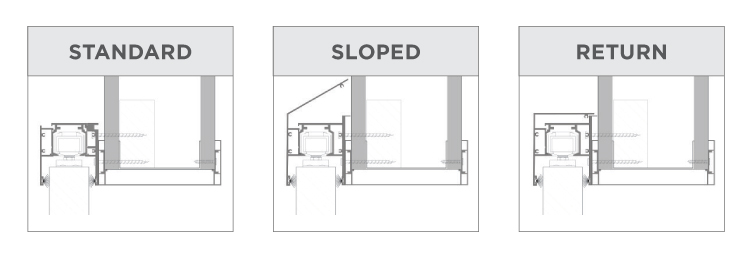
| Construction and Architectural Systems | Door and window components, curtain-wall parts, interior partitions, handrails, and façade structures. | Decorative surfaces, accurate miters, hidden fastener features, channels, and consistent profile dimensions. | Cutting, drilling, tapping, milling, miter machining, and end preparation. | 6063-T5/T6; 6061-T6 | Strong visual finish, corrosion resistance, low weight, and design flexibility. |
| Packaging and Food-Processing Machinery | Machine frames, guide rails, guarding, filling-machine supports, and adjustable workstations. | Washdown-friendly geometry, smooth surfaces, modular joints, accurate guides, and minimal dirt traps. | Drilling, tapping, slotting, end milling, cutting, and deburring. | 6063-T5/T6; 6061-T6 | Nonferrous construction, corrosion resistance, cleanability, and fast reconfiguration. |
| Telecommunications and Data Infrastructure | Equipment racks, cable trays, server enclosures, antenna supports, and thermal-management assemblies. | Ventilation openings, cable-routing channels, rack-mount interfaces, grounding provisions, and flat panels. | Drilling, tapping, pocketing, slotting, face milling, and precision cutting. | 6061-T6; 6063-T6 | Lightweight handling, heat dissipation, corrosion resistance, and electromagnetic nonmagnetic behavior. |
| Marine and Transportation | Deck fittings, seating structures, vehicle interiors, lightweight frames, and equipment supports. | Moisture-resistant construction, drainage paths, secure fastening points, and reduced structural mass. | Cutting, drilling, tapping, milling, chamfering, and contour machining. | 5083; 6061-T6; 6082-T6 | Low density, corrosion resistance, good machinability, and reduced fuel or energy demand. |
How to Choose a Reliable CNC Aluminum Profile Supplier?
China Top CNC Aluminum Profile Manufacturer?
How to Choose a Reliable CNC Aluminum Profile Supplier?
Choosing a CNC aluminum profile supplier requires more than comparing prices. Check the alloy, temper, profile dimensions, and machining tolerance. A capable supplier should explain why each specification suits your application. Ask for material certificates and production samples. The sample should match your drawing, not merely look similar. Small differences matter.
Inspect the supplier’s process control. Look for calibrated measuring tools, first-article inspection, and traceable batch records. A coordinate measuring machine can verify critical holes and mounting surfaces. Request photographs of cutting, drilling, deburring, and final inspection. Clear process evidence builds confidence. Vague answers deserve caution.
Communication is equally important. The supplier should confirm drawings, tolerances, surface treatment, packaging, and delivery expectations in writing. Ask how rejected parts are handled. Their answer reveals practical discipline. A factory may have advanced equipment but still miss details during handover. I have learned that fast replies do not always mean reliable execution. A small trial order can expose packing damage, inconsistent dimensions, or weak inspection habits before larger production begins. Reliability is proven through repeatable results, not impressive promises.