China Best 1.5mm Stainless Steel Sheet Suppliers?
Choosing a supplier for 1.5mm Stainless Steel Sheet in China takes more than comparing prices. The right choice depends on the sheet’s intended use, required grade, surface finish, and order volume. A sheet used for kitchen equipment may need different finishing and inspection than one used for an architectural panel. Small differences matter.
A reliable supplier should clearly state the material grade, thickness tolerance, sheet dimensions, finish, and available inspection documents. Ask how thickness is checked and whether certificates can be matched to the delivered batch. Photos help, but they cannot replace traceable records or a sample inspection. Confirm packaging details, too; scratched surfaces and bent corners can complicate handling after delivery.
There is no universal “best” supplier. A factory may suit repeat bulk orders, while a trading company may offer more flexible sourcing. Both can be appropriate, depending on your needs. Compare written specifications, communication quality, production capacity, and after-sales support—not just a low quotation. Check whether the quoted price includes packing and delivery terms, since unclear costs can change the comparison.
Be cautious of broad claims without verifiable details. Request a sample when the finish is critical, and review the terms before placing a large order. Even careful checks have limits. A sample may not reveal every issue in a full production batch, so agreed inspection criteria are useful. This guide explains what to assess when comparing China-based suppliers and selecting sheet that fits your project.
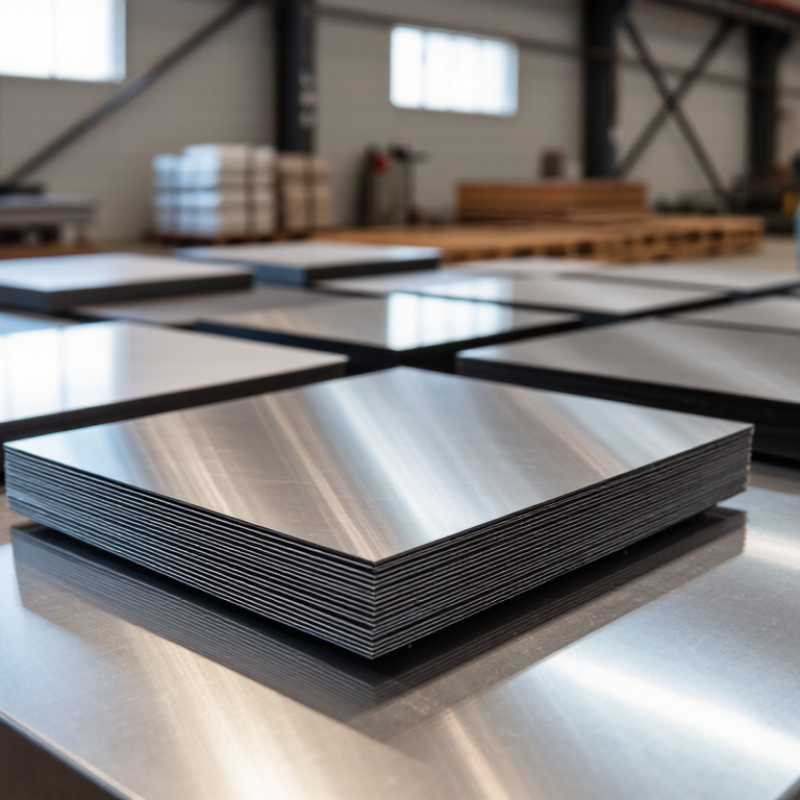
What Is a 1.5mm Stainless Steel Sheet?
China Best 1.5mm Stainless Steel Sheet Suppliers?
What Is a 1.5mm Stainless Steel Sheet?
A 1.5 mm stainless steel sheet is a flat-rolled product with a nominal thickness of 1.5 millimeters, about 0.059 inches. That figure describes thickness, not the sheet’s grade, finish, or corrosion performance. At a density near 8,000 kg/m³, it weighs about 12 kg per square meter before protective film or processing. Actual thickness and weight can vary within the product specification. Not the whole story.
Grade matters. Common choices include austenitic grades such as 304 or 316, but selection depends on exposure, cleaning chemicals, and forming needs. An indoor decorative panel and a food-preparation worktop may need different finishes, even at the same thickness. Check whether the surface is brushed, polished, or mill-finished, and confirm the stated tolerance and dimensions. Buyers sometimes focus on thickness alone. That is understandable, but it can lead to a mismatched sheet. When traceability is important, request a material test certificate and compare it with the order details on delivery.
Tips: Measure with a micrometer at several points, not just one edge. Keep the protective film on during handling. For demanding applications, ask a qualified fabricator to verify the grade and finish before cutting.
Key Grades, Finishes, and Standards
For a 1.5 mm stainless steel sheet, grade, finish, and standard should be specified together. Grade 304 suits many indoor and mildly corrosive applications. Grade 316L offers added molybdenum for chloride exposure, such as near coastal spray. Grade 430 is magnetic and often chosen for dry, decorative uses. Not interchangeable.
Finish changes both appearance and maintenance. A 2B surface is smooth and practical for general fabrication; No. 4 has visible brushed lines that can show scratches. BA is brighter, but handling marks stand out. Ask suppliers to confirm the finish on a sample, not just in a catalogue. Small detail.
ASTM A240/A240M covers stainless plate, sheet, and strip for pressure and general applications; EN 10088 provides European stainless-steel specifications. State the required grade, finish, standard, and thickness tolerance on the order. The World Stainless Association reported 58.4 million tonnes of global stainless-steel melt-shop production in 2023 in its Stainless Steel in Figures 2024 report. That scale does not guarantee consistent sheet quality. Check the inspection certificate and measure several points across the sheet; a nominal 1.5 mm alone tells you little about actual thickness variation.
China Best 1.5mm Stainless Steel Sheet Suppliers? - Key Grades, Finishes, and Standards
Comparison guide for evaluating suppliers of nominal 1.5 mm stainless steel sheet. Grade availability, finishes, and dimensional tolerances should be confirmed against the purchase specification and inspection documents.
| Grade | Common Standard Designations | Key Characteristics | Typical Applications | Common Sheet Finishes | Supplier Checks |
|---|---|---|---|---|---|
| 304 / 1.4301 | ASTM A240/A240M Type 304; EN 10088-2 1.4301; JIS G 4305 SUS304 | General-purpose austenitic stainless steel with good formability and corrosion resistance in many indoor and mildly corrosive environments. | Food-service equipment, kitchen panels, architectural components, tanks, and general fabrication. | 2B, BA, No. 4, or other finishes specified by order. | Check the grade designation, nominal thickness, surface condition, and mill test certificate against the order. |
| 304L / 1.4307 | ASTM A240/A240M Type 304L; EN 10088-2 1.4307; JIS G 4305 SUS304L | Low-carbon austenitic grade; often selected where welding is involved to reduce the risk of sensitization in the heat-affected zone. | Welded equipment, process components, and fabricated structures requiring 304-type corrosion performance. | 2B, BA, No. 4, or finish stated in the specification. | Verify that the certificate identifies 304L rather than 304 when the low-carbon grade is required. |
| 316L / 1.4404 | ASTM A240/A240M Type 316L; EN 10088-2 1.4404; JIS G 4305 SUS316L | Molybdenum-alloyed austenitic grade, generally offering better resistance to chloride-related corrosion than 304; performance depends on the environment. | Chemical and marine-related equipment, coastal fittings, food-processing equipment, and welded components. | 2B, BA, No. 4, or a project-specific finish. | Confirm the 316L grade and intended service conditions; no stainless grade is immune to all forms of corrosion. |
| 430 / 1.4016 | ASTM A240/A240M Type 430; EN 10088-2 1.4016; JIS G 4305 SUS430 | Ferritic stainless steel with magnetic properties and useful corrosion resistance in many mild indoor environments; typically less formable than 304. | Appliance panels, interior trim, decorative parts, and selected kitchen equipment. | 2B, BA, or No. 4, subject to availability and order requirements. | Confirm that a ferritic grade is suitable for the forming, corrosion, and magnetic-property requirements. |
| 201 / 1.4372 | ASTM A240/A240M Type 201; EN 10088-2 1.4372; JIS G 4305 SUS201 | Manganese-alloyed austenitic grade that may be used as an alternative to 300-series grades in suitable applications; corrosion performance is environment-dependent. | Indoor decorative panels, consumer products, and general fabrication where the specified service conditions are appropriate. | 2B, BA, or No. 4, subject to order specification. | Check the exact grade and certificate; do not assume it has the same corrosion performance as 304 or 316L. |
| Finish reference | ASTM A480/A480M; EN 10088-2; finish requirements should be stated on the order | 2B: common cold-rolled, annealed, and pickled finish with a final light rolling pass. BA: bright-annealed finish. No. 4: directional brushed finish. | Select according to appearance, cleaning needs, fabrication, and the final service environment. | Request a finish sample or agreed reference where appearance is important. | Specify finish designation, surface protection, and acceptable appearance criteria; finish naming and supply condition should be confirmed with the supplier. |
| Standards and inspection | ASTM A240/A240M; EN 10088-2; JIS G 4305. ASTM A480/A480M includes general requirements for flat-rolled stainless steel products. | Standards cover product requirements and designations; the applicable standard depends on the ordered grade, product form, and market. | Useful for comparing quotations and defining the technical basis of a purchase. | State the required finish and surface protection alongside the grade and standard. | Request a material test certificate, traceable heat or batch identification, dimensional inspection results, and any agreed third-party inspection documents. |
How to Evaluate Stainless Steel Sheet Suppliers in China
China Best 1.5mm Stainless Steel Sheet Suppliers?
When evaluating stainless steel sheet suppliers in China, look beyond price and polished product photos. For 1.5mm sheets, confirm the stainless steel grade, thickness tolerance, surface finish, and available sheet dimensions in writing. Ask for a recent mill test certificate and check that its heat number matches the material labels. Paperwork helps, but it is not the whole picture.
Request a small sample or a clear inspection record before placing a large order. Measure the thickness at several points with a calibrated micrometer, and inspect the edges for burrs or uneven cutting. For brushed finishes, view the sheet under angled light; scratches can disappear in flat product photos. Small details matter. Ask how sheets are protected during packing, especially if they will travel far or be unloaded more than once.
A capable supplier should explain production lead times, inspection steps, and how it handles a specification mismatch. Compare quotations using the same grade, tolerance, finish, and packing requirements. A lower price may reflect a real cost advantage, or a detail left out of the quote. I would not treat one sample as proof of consistent production. It is useful evidence, not a guarantee, and that distinction is easy to overlook when a project is moving quickly.
Factors to Compare When Choosing a Supplier
When comparing suppliers of 1.5mm stainless steel sheet, start with the exact specification, not the quoted price. Confirm the grade, surface finish, sheet dimensions, and edge condition. Ask how thickness tolerance is measured and which agreed standard applies. A sheet marked “1.5 mm” may not suit a close-fit assembly if tolerance is unclear. Small details matter. Request a material test certificate with traceable heat numbers, plus inspection records where available. Check that the documents match the goods being offered.
Quality consistency deserves a practical check. Ask for a sample or recent inspection photos, and compare the finish under ordinary workshop lighting. A polished sample can still hide variation across a full batch. Consider packaging too: protective film, dry wrapping, and reinforced corners help limit scratches and bent edges during transport. Compare lead times, minimum order quantities, cutting options, and how the supplier handles a delayed shipment or a specification mismatch. Freight and packaging can change the real cost substantially. One point is easy to overlook: a detailed quote is not proof of reliable production. Clear answers, consistent records, and a willingness to discuss limitations are stronger signals, though they cannot remove every risk.
Ordering, Quality Inspection, and Delivery Considerations
China Best 1.5mm Stainless Steel Sheet Suppliers?
Choosing a supplier for 1.5mm stainless steel sheet starts with a clear purchase specification. State the required grade, surface finish, sheet dimensions, and thickness tolerance. Ask whether the quoted thickness is nominal and what inspection method supports it. Request a material test certificate and confirm that sheet labels match the documents. A low price can look attractive, but unclear specifications may create costly rework.
Before shipment, inspect a sample or agree on a documented inspection plan. Use a calibrated micrometer to check thickness at several points, not just one corner. Look for scratches, dents, uneven edges, and protective film that has lifted. Check flatness against your project’s needs. No inspection catches everything; packaging damage can still happen after approval, so photograph the load before dispatch and record any concerns promptly.
Tips: Confirm packing details, delivery date, and unloading requirements in writing. Ask how sheets are separated and protected from moisture during transit. Keep one labeled sample for comparison when the full order arrives. A checklist helps, though it may need adjusting after the first delivery.