What is cast stainless steel and its applications?
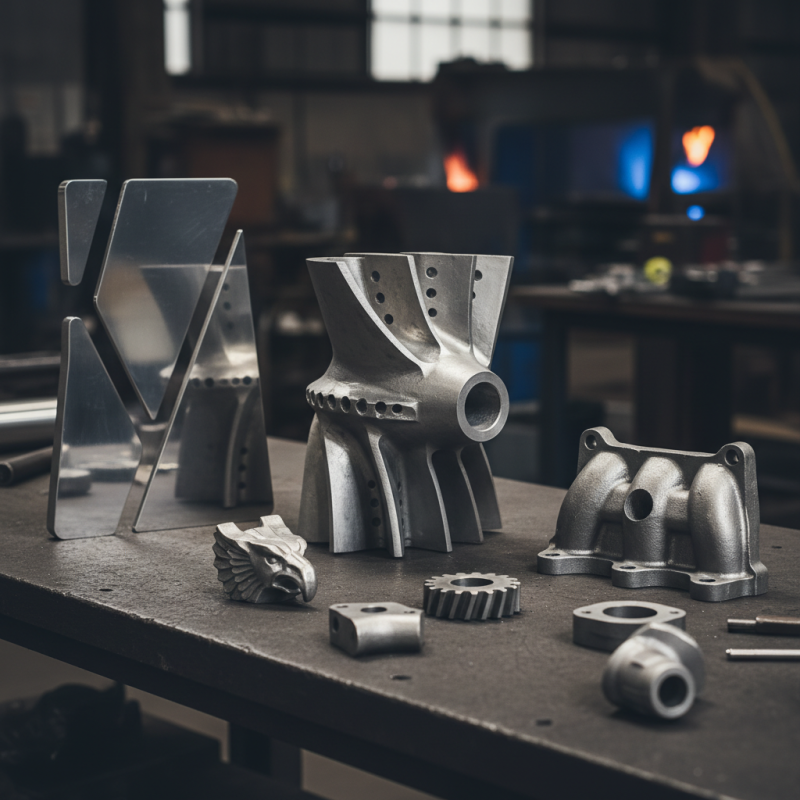
cast stainless steel is a versatile material known for its durability and resistance to corrosion. This innovative alloy combines the best features of stainless steel with the ability to be molded into complex shapes. The casting process allows for detailed designs, making it ideal for various applications.
In industries such as automotive and aerospace, cast stainless steel plays a critical role. Its strength and adaptability allow for the creation of components that can withstand harsh conditions. For example, turbine parts and engine components often utilize this material. However, one must consider the challenges in achieving uniform quality. Variations in the casting process can lead to defects.
Additionally, cast stainless steel is frequently used in architecture. Decorative elements and structural components benefit from its aesthetic appeal. Yet, the cost of production can be a barrier for some projects. Balancing quality, cost, and application is essential. Understanding these aspects enhances the effective use of cast stainless steel in real-world scenarios.
Definition and Composition of Cast Stainless Steel
Cast stainless steel is an alloy known for its resistance to corrosion and durability. The composition of cast stainless steel typically includes iron, chromium, nickel, and other elements. This combination gives it a unique structure, making it ideal for various applications. The chromium content usually exceeds 10.5%, providing excellent resistance to rust and staining.
The manufacturing process begins with melting the raw materials in a furnace. Once molten, the alloy is poured into molds to take shape. This method allows for the creation of complex geometries and sizes. However, casting can introduce imperfections. Air pockets might be trapped, leading to weak points. These defects need careful inspection and may affect the final product's performance.
Applications of cast stainless steel can be found in many industries. For instance, they are often used in the food and beverage industry due to their sanitary properties. Additionally, they fit well in marine environments where exposure to saltwater is common. However, the properties can vary based on composition and processing, which requires ongoing research and refinement.
Manufacturing Process of Cast Stainless Steel
The manufacturing process of cast stainless steel involves several key steps. First, raw materials are carefully selected. These typically include iron, chromium, and nickel. Each component plays a crucial role in ensuring the final product's durability and corrosion resistance.
Next is melting. The materials are heated in a furnace until they reach their molten state. This step requires precision. Overheating can lead to undesirable properties. Maintaining optimal temperatures is essential to achieving quality results. After melting, the molten metal is poured into molds. This is a delicate process. Any inconsistency can result in defects.
Once cooled, the molds are removed, revealing the cast stainless steel. Quality checks are crucial at this stage. Inspecting for cracks and imperfections ensures reliability.
Tips: Always consider the environmental impact when manufacturing stainless steel. Using recycled materials can reduce waste. Additionally, be aware of the importance of safety gear during production. Molten metal can be hazardous.
The final touch involves finishing processes like machining or polishing. These steps enhance appearance and surface quality. Ironically, sometimes in pursuit of perfection, manufacturers overlook small flaws. It's vital to reflect on these details. Small inconsistencies can affect performance in real-world applications.
Cast Stainless Steel Applications
Properties and Advantages of Cast Stainless Steel
Cast stainless steel is known for its unique properties. It exhibits excellent corrosion resistance due to the high chromium content, often exceeding 16%. This makes it suitable for harsh environments. According to a recent report by the Stainless Steel World, about 60% of cast stainless steel applications are in marine and chemical industries, where exposure to corrosive elements is common.
In addition to corrosion resistance, cast stainless steel demonstrates impressive strength and durability. The material can withstand high temperatures, making it ideal for pressure vessels and heat exchangers. The American Society for Testing and Materials states that cast stainless steel can handle temperatures up to 1,500°F. This is a significant advantage in industries requiring thermal stability.
However, there are challenges. Casting processes can introduce defects like porosity, leading to structural weaknesses. Furthermore, the cost of production can be a hurdle. Many manufacturers must balance quality and expense. Despite these issues, the demand for cast stainless steel continues to grow, driven by its unique benefits and versatile applications.
Common Applications of Cast Stainless Steel in Various Industries
Cast stainless steel is a versatile material used across various industries. Its unique properties make it suitable for challenging environments. In the architecture and construction sectors, cast stainless steel components provide strength and resistance to corrosion. According to a 2022 industry report, the demand for stainless steel in construction has risen by 25% over the last five years. This surge reflects its popularity in structures exposed to harsh conditions.
In the food and beverage industry, cast stainless steel is critical. Equipment made from this material ensures hygiene and easy cleaning. A recent study indicated that 70% of food processing companies prefer stainless steel for equipment. This preference stems from its durability and ability to withstand cleaning chemicals. However, some facilities overlook the need for regular maintenance. This gap can lead to long-term issues and reduce the lifespan of these components.
Moreover, in the chemical processing sector, cast stainless steel is key. Its resistance to extreme temperatures and corrosive substances makes it ideal for reactors and storage tanks. Despite its advantages, not all cast stainless steel grades are suitable for every application. Misunderstandings about their properties can lead to failures. This highlights the need for ongoing education in material selection. Understanding the right applications can prevent costly errors.
Comparative Analysis with Other Metals and Alloys
Cast stainless steel is a versatile material known for its corrosion resistance and strength. It is commonly used in construction, automotive, and marine applications. When compared to other metals like aluminum or carbon steel, cast stainless steel stands out for its durability and ability to withstand extreme conditions. According to industry reports, the global demand for cast stainless steel is projected to grow by 5% annually through 2025.
However, cast stainless steel can be more expensive than alternatives. Its production process is complex, often leading to higher costs. While aluminum is lighter, it lacks the strength required in some applications. Carbon steel may be cheaper but is prone to rusting. This raises questions about cost-effectiveness versus performance in various scenarios.
**Tip:** Always weigh material properties against project requirements. Consider both long-term value and initial expense.
One area for reflection is sustainability. The manufacturing of cast stainless steel involves significant energy use. While it has a long life span, the environmental impact is a crucial factor. This complexity makes decision-making challenging—balancing durability and environmental consciousness is key in selecting materials for modern applications.
What is Cast Stainless Steel and Its Applications? - Comparative Analysis with Other Metals and Alloys
| Type of Metal/Alloy | Composition | Corrosion Resistance | Tensile Strength (MPa) | Typical Applications |
|---|---|---|---|---|
| Cast Stainless Steel | Fe, Cr (up to 25%), Ni (up to 20%) | Excellent | 500-800 | Pumps, Valves, Marine Applications |
| Carbon Steel | Fe, C (up to 2%) | Poor | 350-700 | Construction, Automotive Frames |
| Aluminum Alloy | Al (90%), Si (up to 12%) | Moderate | 300-550 | Aerospace, Packaging |
| Titanium Alloy | Ti (90%), Al (up to 6%) | Excellent | 700-900 | Medical Implants, Aerospace |