What Are the Best Wall Boards for Your Home Decor Needs?
When it comes to home decor, choosing the right Wall Boards can elevate your space. Expert interior designer Sarah Johnson emphasizes, “Wall boards can transform any room into a stylish haven.” This sentiment resonates through various decor styles, from rustic to modern.
Wall boards come in a variety of materials and finishes. You might find wood, vinyl, or even metal options. Each brings a unique charm to your home. However, selecting the perfect wall board can be a daunting task. One must consider the existing decor, lighting, and even personal taste.
Don’t rush into your choice. It’s essential to reflect on how these wall boards fit your home's vibe. Some may find themselves drawn to bold patterns, while others prefer subtle hues. It’s okay to feel unsure about which direction to take. In the end, wall boards should be a reflection of you, not just a trend.
Choosing the Right Material: An Overview of Wall Board Options
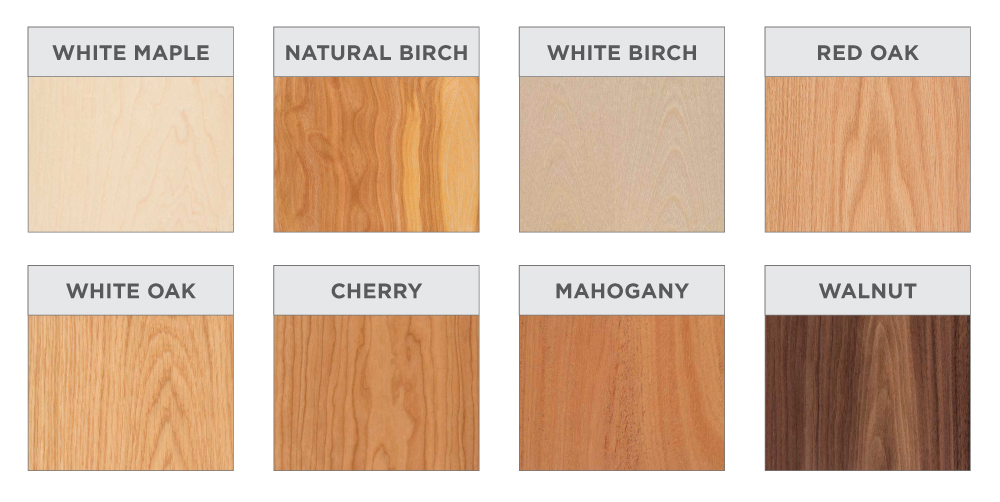
Choosing the right wall board can transform your space. Options abound, and each type carries unique qualities. Wood panels offer a classic appeal. Their natural knots and grains create warmth. However, they may warp over time. Consider your climate.
Alternatively, gypsum board is popular for its versatility. It provides a smooth finish, ready for paint or wallpaper. Yet, it can be fragile and prone to moisture damage. Installation requires care, and a few missteps can lead to costly repairs.
Vinyl wall boards resist stains and moisture. They are easy to clean, perfect for busy areas. Still, some find them less appealing aesthetically. Reflecting on your own preferences can help steer your choice.
Remember, the perfect board is the one that fits your lifestyle and decor vision.
Common Wall Board Types: Gypsum, MDF, and Plywood Explained
When considering wall boards, three common types stand out: gypsum, MDF, and plywood. Gypsum board is popular for its fire-resistant properties. It offers a smooth surface, ideal for painting or wallpapering. However, it can be vulnerable to moisture, leading to damage over time in humid areas.
MDF, or medium-density fiberboard, is known for its versatility. It can be easily shaped and painted, making it a favorite for detailed designs. Despite its advantages, MDF is not as strong as plywood. It can swell if exposed to water, which can be problematic. The ease of working with MDF might create an illusion; it demands careful handling.
Plywood is another strong option. It is made from layers of wood veneer, providing durability and strength. It's suitable for high-impact areas. Yet, not all plywood is created equal. The quality can vary greatly, and lower grades may warp or splinter. Mistakes in selection can lead to expensive rework later on. Each material has its pros and cons, which require thoughtful consideration when planning your projects.
What Are the Best Wall Boards for Your Home Decor Needs?
| Wall Board Type | Material Description | Cost (per square foot) | Ideal Uses | Durability |
|---|---|---|---|---|
| Gypsum Board | Made of a gypsum core covered with paper. | $0.50 - $1.00 | Interior walls and ceilings. | Moderate |
| MDF (Medium Density Fiberboard) | Engineered wood made from wood fibers, wax, and resin. | $2.00 - $3.50 | Furniture, cabinetry, and decorative projects. | High |
| Plywood | Made from thin layers of wood veneer glued together. | $1.00 - $2.50 | Structural uses and DIY projects. | Very High |
Understanding Wall Board Sizes and Their Impact on Aesthetics
Choosing wall boards for your home involves understanding their sizes and how they affect your space. A recent industry report highlights that the average room can benefit from a size range of 4x8 feet for standard applications. Smaller boards can work in tight spaces, while larger panels create a dramatic effect. Many homeowners often overlook these details.
Aesthetic impact is crucial. Larger boards tend to lend a modern feel, making spaces appear larger and more open. In contrast, smaller boards can create cozy, intimate spaces. Consider the proportions of your room. The height and width of your walls should guide your choices. An improperly sized board can clash with furniture or artwork. This mismatch can disrupt the room's flow, resulting in a disappointing look.
Moreover, color and texture variations should be matched with the dimensions of the boards. A neutral shade on a large board can enhance elegance. In contrast, bold patterns may overwhelm smaller areas. Always reflect on the balance between board size and decor style. Are you emphasizing space or creating detail? This decision is vital and can define the room's atmosphere.
Wall Board Types and Their Aesthetic Impact
Eco-Friendly Wall Board Solutions: Sustainable Choices for Your Home
Eco-friendly wall boards are becoming essential for modern home decor. Many homeowners are prioritizing sustainable materials over traditional options. According to recent industry reports, the demand for eco-friendly materials has surged by 25% in the last two years. This shift reflects a growing awareness of environmental impacts.
Sustainable wall boards can include recycled wood, bamboo, and natural fibers. These materials often have a lower carbon footprint compared to conventional options. Moreover, they can enhance indoor air quality. Some eco-friendly products even feature low or zero volatile organic compounds (VOCs), making them a healthier choice. However, options vary widely in durability and cost. Not every eco-friendly solution meets high standards; some may lack longevity.
Regardless of the options, there are always trade-offs. While sustainable boards are better for the environment, they can sometimes be pricier. Homeowners need to balance aesthetics, budget, and environmental impact. Research shows that 40% of consumers are willing to pay more for sustainable products. Still, it is vital to evaluate if the extra cost aligns with personal value systems. Each choice reflects a commitment to sustainability, but it also requires careful consideration of practical limitations.
Installation Tips and Techniques for Optimal Wall Board Performance
When considering wall boards for your home, installation is crucial. A recent industry report indicates that improper installation can lead to a 30% increase in damage over time. Measuring your space accurately is vital. An uneven wall can affect how boards fit together and how they perform.
For optimal results, ensure your tools are ready. A level is essential for checking alignment. If the wall is not straight, it can lead to gaps. Use shims to adjust as needed. Don’t rush the process. Take time to secure each board properly. Secure fasteners should penetrate the studs. Avoid common pitfalls like overdriving screws.
Consider the material of your wall board. Varieties differ in durability and ease of installation. Some require specific fasteners or adhesives. Always follow manufacturer guidelines. Inadequate adhesion can lead to peeling or warping. Review your work periodically as you install. It helps to catch mistakes early.