Skip to content

Who Are the Best Sliding Door Suppliers in China?

Who are the best sliding door suppliers in China? The answer depends on your project, not a single industry-wide ranking. A supplier suited to a coastal hotel may not fit a compact apartment renovation. Buyers should compare product engineering, tested performance, production capacity, and after-sales support before requesting a quote.

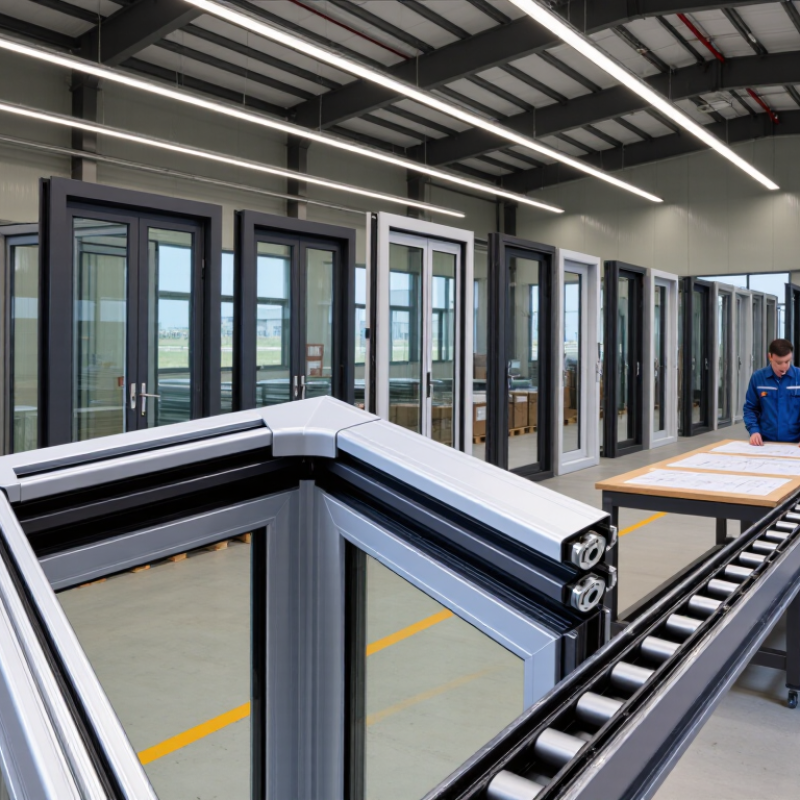
A reliable Sliding Door supplier can explain frame materials, glass options, hardware grades, and the limits of each system. Ask for drawings, installation guidance, sample finishes, and documented test results where relevant. Look closely at details: corner joints, roller access, drainage paths, gasket fit, and packaging for long-distance shipping. These small points often shape daily performance more than a polished catalog does. Details matter.

This guide explores Chinese manufacturers and suppliers through practical questions rather than unsupported claims of a universal “best.” It considers customization, quality control, communication, lead times, and export experience. Buyers should verify certifications and project references directly, since product specifications and factory capabilities can change. A low price may be attractive, but it can hide thinner hardware or unclear service terms. No shortlist is perfect. Even experienced buyers can miss a detail when comparing quotes across different specifications. Treat each supplier conversation as a chance to test how clearly a company explains its product—and how it responds when a requirement is not straightforward.
Who Are the Best Sliding Door Suppliers in China?

What Defines a Leading Sliding Door Supplier in China?

A leading sliding door supplier in China is defined by more than a polished catalogue. Look for clear technical answers about frame profiles, glass thickness, track capacity, and available finishes. A knowledgeable team should explain how these choices affect daily use, not simply recommend the most expensive option. Ask for drawings with dimensions and hardware details. Small omissions can become costly surprises.

Reliable suppliers also show how they check quality. They may share inspection records, explain their sampling process, and provide installation guidance with practical measurements. Ask how the doors are packed for shipment; corner protection and dry, secure packaging matter when frames travel long distances.

Response time matters, too. A useful reply addresses your actual opening size and project conditions. Vague promises are a warning sign. Still, no supplier is flawless, and a neat sample cannot prove every production run will match it. Request a sample, confirm tolerances in writing, and discuss what happens if delivered components differ from approved drawings. Then compare suppliers on communication, documentation, and consistent workmanship—not price alone.
Key Factors for Evaluating Chinese Sliding Door Manufacturers

Who Are the Best Sliding Door Suppliers in China?

Key Factors for Evaluating Chinese Sliding Door Manufacturers

Choosing a supplier takes more than comparing catalogues and prices. Check whether the quoted door’s glass, frame, seals, and hardware match the tested configuration. The U.S. Department of Energy’s Energy Saver guidance notes that windows account for about 25%–30% of residential heating and cooling energy use. Sliding doors contain substantial glazing, so ask for documented U-factor and solar heat gain coefficient ratings. Small details matter.

Review test reports, production controls, and after-sales procedures. Ask for evidence from qualified third-party laboratories, and verify that the report covers the same dimensions and components you plan to order. Inspect samples for smooth rollers, even frame joints, and seals that compress consistently. Request written information about hardware cycle testing, corrosion testing, inspection records, and replacement-part availability. A polished sample is useful, but it cannot prove every production batch will match. That gap deserves attention.

Tips: Request a sample, drawings, test documents, and a written quality plan before placing a bulk order. Compare like with like.

Major Types of Sliding Doors Offered by Chinese Suppliers

Chinese suppliers commonly offer aluminum sliding doors for balconies, patios, and other wide openings. Their slim frames allow more daylight, while multi-track systems can accommodate several moving panels. Ask about frame depth, track design, and drainage details; these affect operation after installation.

uPVC doors are often selected for residential projects where insulation and low maintenance matter. Wood-framed options bring a warmer finish, though they may need more care in humid settings. Glass configurations range from clear panels to frosted or laminated choices. Looks simple. It isn’t. Glass thickness, panel weight, and hardware capacity must work together.

Suppliers also make interior partition doors, including framed glass sliders and barn-style designs. For a busy doorway, check the rollers and soft-close mechanism, not just the appearance. A common sourcing mistake is comparing prices before confirming dimensions and opening direction. I would verify these details on the approved drawings, even when a sample looks convincing. Small differences can complicate installation. Ask for product specifications, test information, and clear packaging details before placing an order.

Who Are the Best Sliding Door Suppliers in China? - Major Types of Sliding Doors Offered by Chinese Suppliers

Door Type Typical Configuration Common Materials Typical Applications Key Selection Considerations
Standard Sliding Patio Door Two or more panels that run horizontally on tracks; one or more panels may be fixed. Aluminum, uPVC, timber, or combinations of these materials; often supplied with insulated glass. Patios, balconies, gardens, and residential openings. Check frame dimensions, glazing specification, track design, drainage, weather seals, and suitability for the local climate.
Lift-and-Slide Door A handle mechanism lifts the operating panel slightly for movement and lowers it against seals when closed. Commonly aluminum or engineered timber frames with double- or triple-glazed units, subject to the design. Large residential openings where smooth operation and a tighter closed position are desired. Confirm panel size and weight limits, hardware capacity, threshold details, glazing requirements, and installation support.
Multi-Panel Sliding Door Several panels slide along one or more tracks; layouts can include fixed panels and multiple moving panels. Usually aluminum or uPVC frames with glass infill. Wide patios, terraces, and openings designed to provide broad views and daylight. Review the number of tracks, clear opening width, panel stacking arrangement, frame depth, and structural support requirements.
Stacking Sliding Door Moving panels slide and collect at one end of the opening, commonly in a multi-track arrangement. Typically aluminum frames with glass panels; exact options depend on the system. Large exterior openings in homes, hospitality spaces, and commercial buildings. Allow space for the stacked panels and verify track layout, operating clearance, drainage, and the required clear opening.
Pocket Sliding Door The panel slides into a cavity within the adjacent wall when open. Timber, aluminum, steel, or composite frames, depending on whether the door is interior or exterior. Interior rooms, bathrooms, closets, and spaces where a swinging door would use valuable floor area. Plan the wall pocket before construction and check for conflicts with wiring, plumbing, wall structure, and required hardware access.
Bypass Sliding Door Two or more panels move past one another on parallel tracks; the panels do not usually create a fully unobstructed opening. Commonly timber, aluminum, glass, or lightweight panel construction. Closets, room dividers, and other interior openings. Compare track count, overlap, opening access, panel weight, and whether floor or ceiling mounting is appropriate.
Barn-Style Sliding Door A panel hangs from exposed hardware and slides along a track mounted above the opening. Timber, metal, glass, or composite panels with compatible track hardware. Interior rooms, offices, and decorative partitions. Check wall strength, track fixing points, side clearance, floor guide requirements, and privacy or sound-control expectations.
Folding-Sliding Door Connected panels fold together and slide to one or both sides of the opening. Often aluminum or timber frames with glazed panels. Patios, balconies, conservatories, and openings where a wide clear passage is desired. Consider the folded-panel stack, track and threshold design, panel operation, weather sealing, and the space needed at the opening sides.
Industrial Sliding Door Large or heavy-duty sliding leaves operated manually or with a powered system, depending on the application. Steel or aluminum frames, with solid, insulated, or glazed infill options. Warehouses, workshops, service areas, and other large-access openings. Specify opening dimensions, operating frequency, wind exposure, safety controls, power requirements, and maintenance access.

Product configurations, materials, glazing, hardware, and performance ratings vary by project and supplier. Confirm technical specifications, applicable test reports, installation requirements, and local building-code compliance before ordering.

How to Compare Suppliers by Quality, Customization, and Service

When comparing sliding door suppliers in China, inspect more than catalog photos. Ask for a sample or a completed project with similar dimensions. Check frame joints, roller movement, glass edges, and finish under natural light. Small defects matter. A door that looks smooth in a showroom may scrape after installation if the track or frame is out of alignment. Request written specifications for materials, hardware, thickness, and quality checks. If measurements or tolerances are missing, clarify them before approving production.

Customization should be specific, not just “made to order.” Share opening measurements, wall conditions, preferred colors, glass type, and handle placement. Ask the supplier to confirm drawings and note which dimensions can vary. Compare how clearly they explain trade-offs, such as slimmer frames versus rigidity. One detail is easy to overlook: packaging. Ask how corners, glass, and tracks are protected for transport, and what happens if parts arrive damaged.

Service is visible in the questions a supplier asks. A careful team will check site conditions and installation needs instead of quoting from one image. Compare response times, drawing revisions, production updates, and the availability of replacement rollers or seals. Get lead times and payment milestones in writing. Do not assume every promise is firm; sometimes a confident answer still needs evidence. A dated sample approval and clear inspection record make the process easier to manage.

How to Compare Sliding Door Suppliers in China

Suggested evaluation weights for comparing suppliers by quality, customization, and service

Use these suggested weights as a buyer’s evaluation framework, not as measured supplier ratings. Verify product quality, customization capabilities, delivery records, and after-sales support with documentation and sample orders.

Steps for Verifying a Supplier Before Placing an Order

A supplier’s website is only a starting point. Before ordering sliding doors, confirm the company’s registered business details and ask for a live video tour of its workshop. Look for actual cutting, assembly, and inspection areas, not only staged displays. Request two recent project references and ask what went wrong during installation. The answer can reveal more than a polished product catalog. If possible, inspect a sample door and slide it several times. Notice wobble, scraping, uneven gaps, and how firmly the handle is fixed.

Compare the supplier’s drawings with your opening measurements, including wall depth and floor level. Ask for written details on frame material, glass thickness, rollers, track design, seals, and available finishes. Request inspection records or test results that match the proposed configuration. A test for one model may not prove another performs the same way. Check the quotation for packing method, lead time, replacement-part availability, warranty terms, and payment milestones. Keep specifications and approved changes in writing; verbal promises are easy to misremember.

Tips: Ask for close-up photos of corners, tracks, and hardware. Confirm who pays for a pre-shipment inspection. A checklist helps, but it cannot remove every risk.