10 Best Plastic Tarpaulin Suppliers for Global Buyers
Plastic Tarpaulin is used to cover cargo, equipment, building materials, and outdoor storage, but similar-looking products can perform differently in the field. A tarp’s weight, woven-fabric strength, coating quality, seam construction, and edge reinforcement affect how it handles rain, wind, abrasion, and repeated folding. Small details matter. A useful supplier comparison should look beyond price and product photos. Buyers need to check available sizes, color options, UV-treatment claims, packaging, sample access, and realistic production times. These checks cannot guarantee trouble-free orders, but they make products easier to compare before a shipment is booked.
This guide introduces 10 Plastic Tarpaulin suppliers for global buyers, considering product range, manufacturing capabilities, export experience, and communication. Supplier information can change, and no single company will fit every order. A distributor may offer flexible quantities, while a factory may provide more control over specifications or private-label packaging. Ask for current technical data, request a physical sample when practical, and compare written quotations line by line. Check GSM tolerances and confirm whether reinforced hems or eyelets are included. Discuss shipping terms, packing dimensions, and after-sales support in plain language. The comparison is a starting point, not a promise. Some details remain uncertain until you test the material yourself.
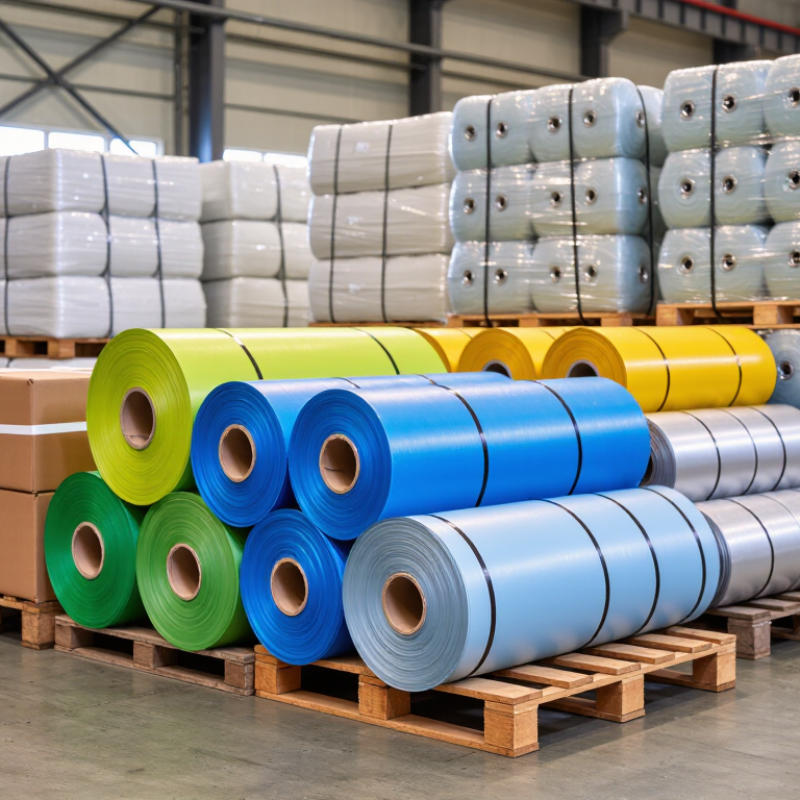
What Plastic Tarpaulins Are and How Global Buyers Use Them
A plastic tarpaulin is a flexible sheet, usually made from woven polyethylene or polypropylene with a protective coating. Sealed edges and metal eyelets help it resist rain and secure it with rope. Buyers use tarpaulins to cover building materials, farm produce, vehicles, temporary work areas, and freight during storage or transport. They are practical, but not a substitute for sealed packaging or a dry warehouse.
The need to manage plastic products responsibly matters too. OECD’s Global Plastics Outlook reported that 353 million tonnes of plastic waste were generated worldwide in 2019, and only 9% was recycled. That figure covers all plastics, not tarpaulins specifically. Still, it supports a useful purchasing question: can the sheet be repaired, reused, or recycled locally? A thicker tarp may last longer, but poor storage, sharp edges, and strong winds can damage it quickly.
Tips: Match the fabric weight and coating to the job. Check dimensions, eyelet spacing, UV resistance, and seam quality before ordering. Ask suppliers for test specifications and clear packing details. A small sample can reveal stiffness and coating feel, though it cannot prove long-term performance. When comparing quotes, include freight and expected reuse—not just the price per sheet.
How to Evaluate Plastic Tarpaulin Suppliers
Start with the conditions the tarpaulin must handle: sun exposure, standing water, wind, or repeated folding. Ask suppliers for fabric weight, thickness, tensile and tear strength, coating type, and UV-resistance test details. Numbers need context. A high GSM rating alone does not prove a tarp will last longer; construction and intended use matter too.
Request a sample made with the same materials and process as the production order. Check its edges, eyelet spacing, seams, and coating. Pull gently at a seam and inspect whether water beads on the surface. Small checks help, but they do not replace documented tests. Ask for recent test reports and confirm which product version they cover. I would not treat a polished sample as proof of consistent bulk quality. That assumption is easy to make.
Discuss tolerances, inspection steps, packaging, and delivery schedules in writing. Ask how the supplier handles defects and whether production batches can be traced. Clear, specific answers are reassuring; vague promises deserve follow-up. Compare quotations only after confirming that specifications and included services match. A cheaper offer may omit useful details, though a higher price is not proof of better quality. Some uncertainty remains, especially when the tarp will face harsh weather, so request a trial order before committing to a large quantity.
Profiles of 10 Plastic Tarpaulin Suppliers for Global Buyers
The ten supplier profiles suit different buying needs, rather than forming a universal ranking. A high-volume woven polyethylene supplier may offer stable stock and standard sizes. A custom sewing workshop can add hems, eyelets, or reinforced corners. Heavy-duty specialists focus on thicker fabric and stronger seams. Lightweight suppliers serve temporary covers and price-sensitive orders. UV-focused producers provide material options for prolonged outdoor exposure. Laminating specialists emphasize water resistance and smooth surfaces. Agricultural suppliers may offer breathable or light-control options. Construction suppliers often carry large sheets for site protection. Export-oriented suppliers can coordinate packing and shipping documents. Small-batch producers may accept trial orders, though unit costs can be higher.
Tips: Request a current specification sheet and sample before placing a large order. Compare fabric weight, weave, coating, seam strength, and eyelet spacing. Ask how measurements are checked and how defects are handled. A high GSM figure alone can mislead; construction and workmanship matter too. Record the agreed tolerances, packaging details, and delivery schedule in writing. A sample can still differ from a full production run, so confirm inspection arrangements.
10 Best Plastic Tarpaulin Suppliers for Global Buyers - Profiles of 10 Plastic Tarpaulin Suppliers for Global Buyers
Anonymized product-capability profiles for comparing supplier offers. These are not named or ranked companies; product specifications are indicative market ranges and vary by construction, coating, and manufacturer.
| Profile | Supplier specialization | Common material and construction | Indicative weight range | Typical applications | Buyer checks |
|---|---|---|---|---|---|
| 01 | General-purpose PE tarp producer | Woven HDPE fabric with LDPE lamination | About 70–200 g/m² | Temporary covers, household use, and light-duty outdoor protection | Finished size, fabric weight, edge finishing, grommet spacing, and UV specification |
| 02 | Heavy-duty woven PE cover producer | Higher-density HDPE weave with PE lamination and reinforced hems | About 180–300 g/m² | Construction materials, equipment, and longer-term outdoor covering | Tensile and tear test methods, hem reinforcement, corner patches, and UV test details |
| 03 | PVC-coated technical fabric converter | Polyester scrim coated with PVC on both sides | About 400–900 g/m² | Industrial covers, curtains, shelters, and some truck-cover applications | Base-fabric specification, coating weight, weldability, cold-flex performance, and fire-test requirements |
| 04 | Laminated polyester tarp supplier | Polyester base fabric with a laminated or coated polymer surface | About 300–650 g/m² | Reusable covers, partitions, and general industrial protection | Coating type, seam construction, abrasion resistance, and sample performance |
| 05 | Groundsheet and camping-cover producer | PE woven fabric with laminated faces; lighter options may use single- or double-sided lamination | About 90–250 g/m² | Ground protection, camping, and temporary floor covering | Water-resistance method, finished dimensions, folded-pack size, and edge durability |
| 06 | Truck and cargo-cover fabric supplier | PVC-coated polyester or reinforced woven PE, depending on the required duty | Commonly about 500–900 g/m² for PVC fabric; PE versions are generally lighter | Truck beds, trailers, and cargo protection | Abrasion, tear and tensile performance, fastening layout, seam strength, and applicable transport requirements |
| 07 | Agricultural cover producer | PE woven or film-based construction, selected for the intended agricultural use | Product-dependent; woven covers are commonly offered around 100–250 g/m² | Crop, feed, or equipment covering and other farm uses | Intended use, UV stabilization, puncture resistance, food-contact needs where relevant, and local agricultural regulations |
| 08 | Mesh tarp and shade-fabric supplier | Knitted or woven PE mesh; not a solid waterproof sheet | Product-dependent; often specified by fabric weight and shade percentage | Shade, screening, debris containment, and airflow-permitting covers | Shade factor, mesh opening, airflow, edge reinforcement, and whether water passes through |
| 09 | Custom-size and converted-tarp supplier | PE or PVC fabric cut and finished to order, with sewn, welded, or heat-sealed seams as appropriate | Depends on selected fabric and intended application | Non-standard covers, fitted equipment protection, and project-specific requirements | Dimension tolerances, drawing approval, seam method, prototype availability, and packaging |
| 10 | Printed and private-label tarp supplier | Printable PE or PVC tarp fabric, with printing and finishing options dependent on the substrate | Depends on base fabric; PE options are commonly lighter than heavy PVC-coated fabric | Retail, promotional, and project-specific covers | Print durability, artwork proof, color consistency, minimum order quantity, and packaging compliance |
Before ordering, request a physical sample, written specification sheet, applicable test reports, production lead time, and a quotation stating trade terms and packaging details. Confirm all performance claims against the buyer’s intended use and destination-market requirements.
Comparing Supplier Products, Pricing, and Export Capabilities
Comparing plastic tarpaulin suppliers means looking beyond the quoted price. Request samples with the stated fabric weight, weave, coating, and finished dimensions. Check whether hems are reinforced and eyelets are evenly spaced. These details affect handling and service life. Ask suppliers how they test water resistance and UV performance, and request written specifications. A sample can feel sturdy yet differ from a bulk shipment, so confirm acceptable tolerances before ordering.
Tips: Compare like with like. Include packaging, tooling, freight, and payment terms in your cost sheet. Ask for a production timeline, sample lead time, and clear packing details. Check that export documents match the product and shipment. A low quote can still disappoint if specifications are vague.
Export capability is practical, not just a line on a company profile. Ask which ports the supplier regularly serves and how they protect rolls or folded sheets during transit. Request recent examples of shipping paperwork with sensitive details removed. Compare the full landed cost, not only the factory price. Response speed can also reveal how reliably questions may be handled after an order. I would still avoid choosing on communication alone; clear answers need to match the delivered goods.
How to Select a Supplier for Your Sourcing Needs
Choosing a supplier starts with the tarp’s job, not a catalog photo. A grain cover needs different tear strength and UV resistance than a temporary construction sheet. Ask for fabric weight, yarn density, coating type, seam method, and tolerances in writing. Request a lot-specific test report, not only a generic brochure. ASTM D751 provides test methods for coated fabrics, including strength and water resistance. PlasticsEurope’s Plastics – the Fast Facts 2024 reports 413.8 million tonnes of global plastics production in 2023. That scale does not guarantee consistent tarp-grade resin. Samples matter. But check the production batch too.
Then verify delivery capability and communication. The World Bank’s Logistics Performance Index 2023 compares logistics across 139 economies, including customs, infrastructure, and timeliness. Use it as context, then confirm the supplier’s actual shipping records, lead times, minimum order quantities, and packaging details. Ask how damaged rolls or inconsistent coating are handled. I would be cautious: a tidy sample can hide uneven coating in a full run. A factory audit or live video inspection may reveal storage conditions, cutting practices, and quality checks. Get specifications, test methods, and corrective-action terms in writing before placing a large order. Some details feel tedious, but they are easier to settle before a container is loaded.
How to Select a Plastic Tarpaulin Supplier
Suggested weighting for comparing suppliers against your sourcing requirements.
These illustrative buyer-defined weights total 100%. Adjust them to reflect your product specifications, destination market, and procurement priorities.