Skip to content

What are the Best Materials for Restroom Stall Walls?

When considering restroom design, the materials for Restroom Stall Walls are crucial. The right material impacts privacy, durability, and maintenance. Many options exist, each serving different needs.

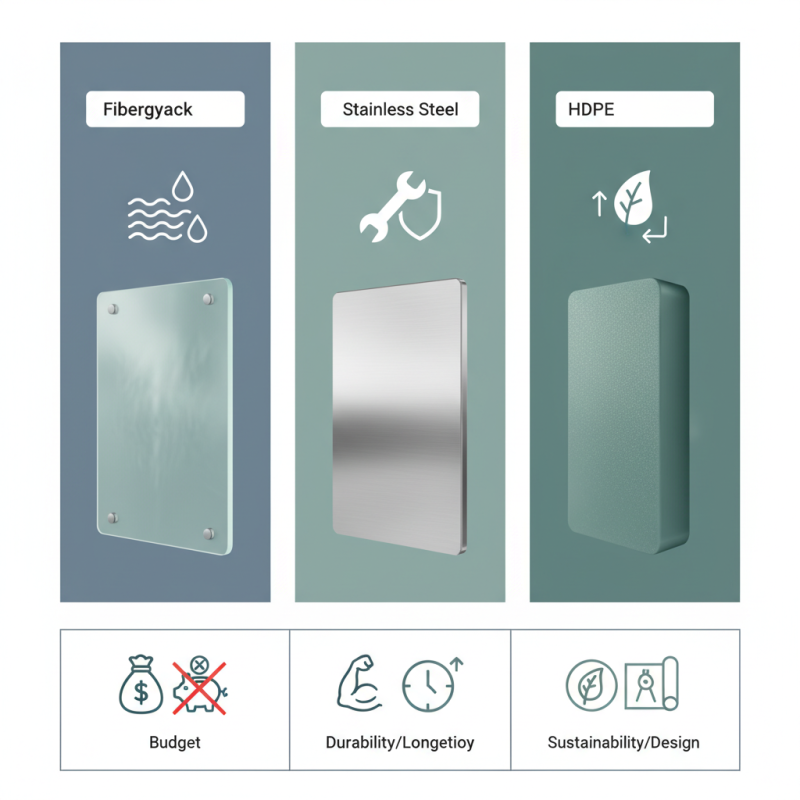
Common choices include fiberglass, stainless steel, and HDPE. Each has unique strengths and weaknesses. For example, fiberglass is resistant to moisture but can be scratched easily. Stainless steel is durable but may require frequent cleaning to maintain its appearance.

Choosing the best material often requires more thought than expected. Budget constraints might lead to compromises. However, durability can save money in the long run. The decision can reflect values such as sustainability and design. Ultimately, the choice of restroom stall walls significantly affects user experience.
What are the Best Materials for Restroom Stall Walls?

Best Materials Overview for Restroom Stall Walls

Choosing the right materials for restroom stall walls is vital. The best options include laminate, metal, and solid plastic. Laminate offers a sleek appearance. It comes in various colors and patterns. However, it can be prone to chipping. So, care is needed to maintain its look.

Metal is another popular choice. It is durable and resistant to vandalism. Stainless steel is easy to clean. Yet, it may show fingerprints and needs regular maintenance. Solid plastic is a robust option too. It resists moisture and does not chip easily. But it can be pricey compared to other materials.

Each material has its pros and cons. It’s essential to consider the restroom's expected traffic. Vandalism is a reality. In high-traffic areas, choosing durability over aesthetics could be wise. Material selection can impact maintenance costs. A blend of practical considerations and aesthetics can guide the decision. Tailoring choices to specific needs may yield the best outcomes.
Durability Considerations for Restroom Stall Materials

When selecting restroom stall wall materials, durability is key. Restroom stalls experience heavy use, making their materials susceptible to wear and tear. According to a study by the American Institute of Architects, the most durable materials often include solid plastic, stainless steel, and phenolic. Solid plastic, for instance, resists moisture and is easy to clean, making it ideal for high-traffic areas.

Stainless steel offers a sleek, modern look and high resistance to vandalism. However, scratches can be an issue. Phenolic, a composite material, combines strength and moisture resistance. Reports indicate that phenolic can last more than 20 years in challenging environments, making it a smart investment.

**Tip:** Always consider the specific environment when choosing restroom materials. High humidity and heavy usage require different solutions.

Also, keep in mind that not all materials are created equal. Some may chip, while others bend and warp over time. Frequent maintenance checks are necessary to identify these issues early.

**Tip:** Opt for materials that are not only durable but also easy to repair or replace. It can save costs in the long run.

Best Materials for Restroom Stall Walls

This chart illustrates the durability ratings of various materials used for restroom stall walls. The durability is rated on a scale from 1 to 10, where 10 represents the highest durability. The materials considered include Stainless Steel, Solid Plastic, Baked Enamel, and Laminate.

Cost-Effectiveness of Different Stall Wall Options

When considering restroom stall walls, cost-effectiveness plays a crucial role. Different materials offer varying benefits and drawbacks. For instance, fiberglass is lightweight and resistant to moisture. However, it may not withstand heavy impacts. On the other hand, solid plastic is durable. It can handle rough use but might be pricier than other options.

Metal partitions are another choice. They are known for their strength and longevity. Yet, they can rust if not properly maintained. Wood tends to give a warm and inviting feel. Unfortunately, it is prone to water damage and requires regular upkeep. Each option has unique attributes that can affect overall spending.

Budget constraints often dictate material choices. A cheap option today might lead to higher costs later due to replacement needs. Investing in quality materials can save money in the long run. It's essential to weigh initial costs against the expected lifespan of the stalls. A thoughtful approach can lead to better decisions and increased satisfaction for users.

Hygienic Features of Various Restroom Stall Materials

When choosing materials for restroom stall walls, hygiene is a top priority. Not all materials are created equal in this regard. Research shows that non-porous surfaces, like solid plastic and fiberglass, resist bacteria growth significantly. According to a study from the Center for Disease Control, areas with smooth, non-porous materials had a 50% lower bacteria count compared to porous materials.

Metal options, such as stainless steel, offer durability. However, they may dent and show stains over time. Studies indicate that public facilities often struggle with maintaining these surfaces. Even though they are easy to clean, they can still harbor germs in tiny crevices. On the other hand, laminate surfaces are popular due to their cost-effectiveness. Yet, they are not as hygienic. They can absorb moisture, leading to mold growth and unpleasant odors.

Frequent cleaning is essential, regardless of material choice. The choice of restroom stall walls should balance cost, aesthetics, and hygiene. Many facilities overlook long-term maintenance costs. It’s critical to reflect on the implications of these choices. Each material has its strengths and weaknesses, influencing hygiene outcomes in significant ways.

Aesthetic Choices: Color and Design in Stall Walls

When considering restroom stall walls, aesthetics play a crucial role. Color and design can significantly impact the overall feel of the space. Neutral tones, like soft grays or muted beiges, are popular for creating a calm environment. However, a splash of bright color can energize the restroom. Think vivid blues or vibrant greens. These choices can evoke specific emotions, making users feel either relaxed or refreshed.

Design patterns also affect user perception. Simple, clean lines are often chosen for modern spaces. They offer a sleek look. On the other hand, intricate patterns can add character. They draw attention but may quickly become outdated. Finding balance is key. Too much design can overwhelm the space, while too little may seem bland.

Material choice ties closely to aesthetics. Smooth laminates might be visually appealing but can scratch easily. On the contrary, textured surfaces hide imperfections well but can feel less inviting. It's essential to reflect on these decisions. What message do the colors and designs convey? How do they affect user comfort? A restroom is a personal space, and its aesthetics should not be overlooked.