Skip to content

What Is the Best Hotel Main Entrance Door for 2026?

Choosing the best Hotel Main Entrance Door for 2026 is not simply a matter of selecting an impressive finish. The entrance must welcome guests, support reliable daily operation, and suit the building’s climate and traffic. Vitruvius, the Roman architectural authority, described sound design through “firmness, commodity, and delight.” His principle still offers a useful lens for evaluating a hotel entrance, though it is not a door-specific recommendation.

Picture the morning rush: rolling suitcases cross the threshold, staff move deliveries, and the door cycles open again and again. A suitable system should handle that traffic without feeling heavy or awkward. Look closely at the frame, hinges, closer, glazing, seals, and access controls as one assembly. A beautiful door can disappoint if it slams, leaks air, or obstructs a busy lobby. Small details matter.

Material choices depend on the hotel’s setting. A coastal property may prioritize corrosion resistance, while a city landmark may need a finish that complements its façade. Consider safety, accessibility, maintenance access, and expected service life alongside appearance. Product specifications and local project requirements should be reviewed by qualified professionals before selection. No single door is best for every hotel.

This guide compares common entrance options and the trade-offs behind them. It also asks a practical question: what will still work well after thousands of guest arrivals? The honest answer may be less glamorous than a showroom photograph. That deserves attention.
What Is the Best Hotel Main Entrance Door for 2026?

How Hotel Main Entrance Doors Shape Guest Arrival and Building Access

A hotel’s main entrance door shapes the first few seconds of arrival. Guests may approach with rolling luggage, a child’s hand, or a phone showing a reservation. A clear, generous opening helps people enter without pausing to guess where to go. Automatic sliding doors can ease busy arrivals, while well-balanced swing doors may suit quieter entrances. The right choice depends on foot traffic, wind exposure, and the lobby layout. Small details matter. Visible handles, clean glass, and a dry, level threshold make the entrance feel easier to use.

The doorway also manages access. A secure entry system should let staff monitor arrivals without making visitors feel challenged at the threshold. Positioning the reception desk within sight can help guests find assistance, especially after dark. Door sensors, closers, and seals need regular checks; a door that sticks or shuts too quickly can undermine an otherwise polished welcome. Keep accessible routes clear, and test the entrance with luggage and mobility devices, not just an empty doorway. There is no perfect door for every hotel. A design that works in a calm lobby may struggle during a rainy check-in rush. Real use can reveal awkward spots.
Which Door Materials and Designs Suit Different Hotel Types

What Is the Best Hotel Main Entrance Door for 2026?

Which Door Materials and Designs Suit Different Hotel Types

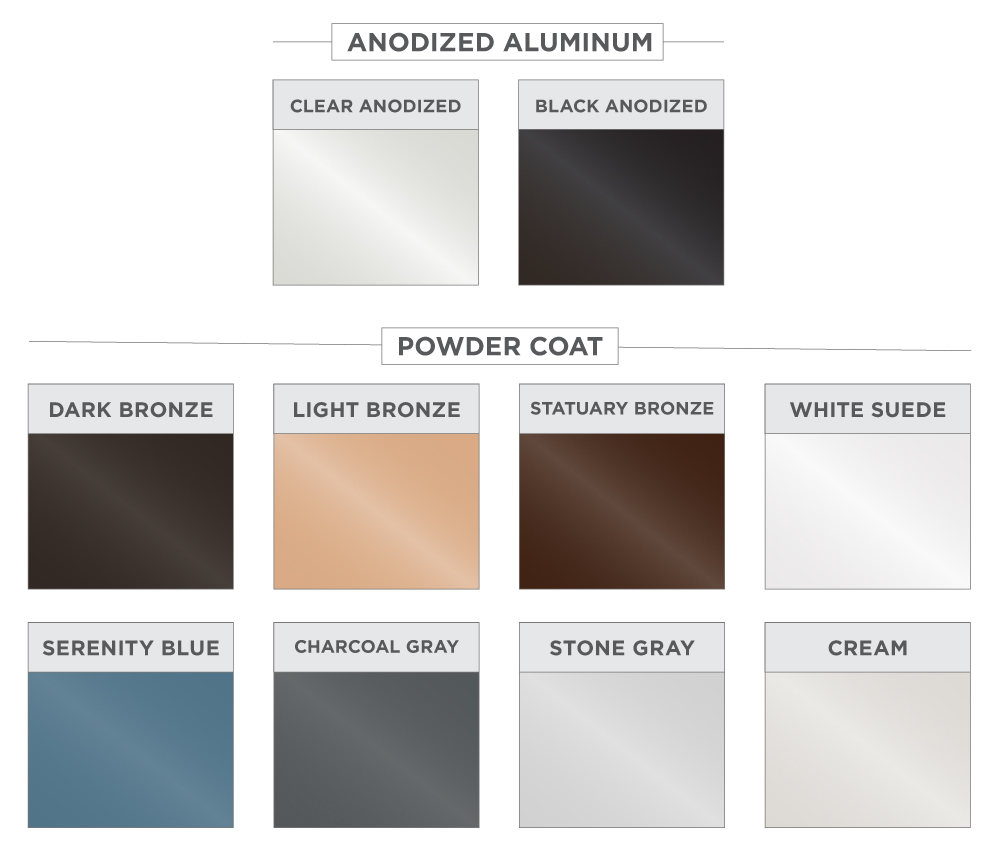
The right entrance door depends on a hotel’s setting, traffic, and maintenance capacity. A coastal resort may need corrosion-resistant hardware and finishes that tolerate damp air. A solid timber door suits a heritage inn, where its warm grain complements stone or brick. Warm, but demanding. Timber needs regular inspection and care, especially around joints exposed to rain.

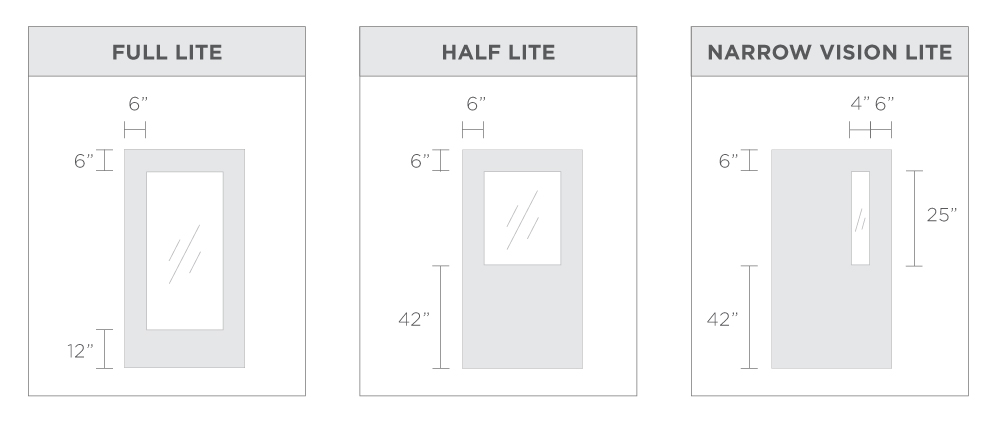
For a city business hotel, a glazed aluminum entrance can create a bright, visible lobby and handle frequent arrivals. Choose glazing and framing suited to the building’s energy and security needs, not appearance alone. A family resort may benefit from wide, automatic doors that make luggage and strollers easier to manage. They also need dependable sensors and routine servicing. Small details matter: a slow door can create a queue at check-in.

Design should follow daily use. A quiet countryside retreat may favor a heavy door that reduces street noise, while a compact urban hotel may need a space-saving sliding system. Check local fire, accessibility, and building requirements before specifying any design. And be honest about upkeep: an impressive finish is a poor choice if staff cannot maintain it. There is no perfect material for every hotel.

How to Evaluate Security, Durability, Accessibility, and Energy Efficiency

What Is the Best Hotel Main Entrance Door for 2026?

The best hotel entrance door is not simply the heaviest one. It should pair a reinforced frame and dependable locking hardware with a clear view of approaching guests. Ask for documented performance ratings, and have the complete opening assessed—not just the door leaf. A strong door can still underperform if its frame shifts or its closer fails. Small details matter.

Durability depends on daily traffic, weather, and maintenance. For a busy entrance, look for finishes and hardware suited to frequent use, plus seals that resist rain and drafts. Accessibility deserves equal attention: check the clear opening, threshold, handle reach, and operating effort with different guests in mind. Automatic operators can help, but their sensors and closing speed need careful adjustment. Energy performance comes from the whole assembly, including glazing, frame, and perimeter seals. No option is perfect. I would still question any specification that promises both maximum strength and effortless operation without explaining the trade-offs.

Tips: Test a sample opening during a site visit. Listen for rattling, feel for drafts near the frame, and watch whether the door closes smoothly. Compare maintenance needs and installation quality, not just purchase price. A rushed assessment can miss the obvious.

Comparing Automatic, Revolving, Sliding, and Swing Entrance Doors

What Is the Best Hotel Main Entrance Door for 2026?
Comparing Automatic, Revolving, Sliding, and Swing Entrance Doors

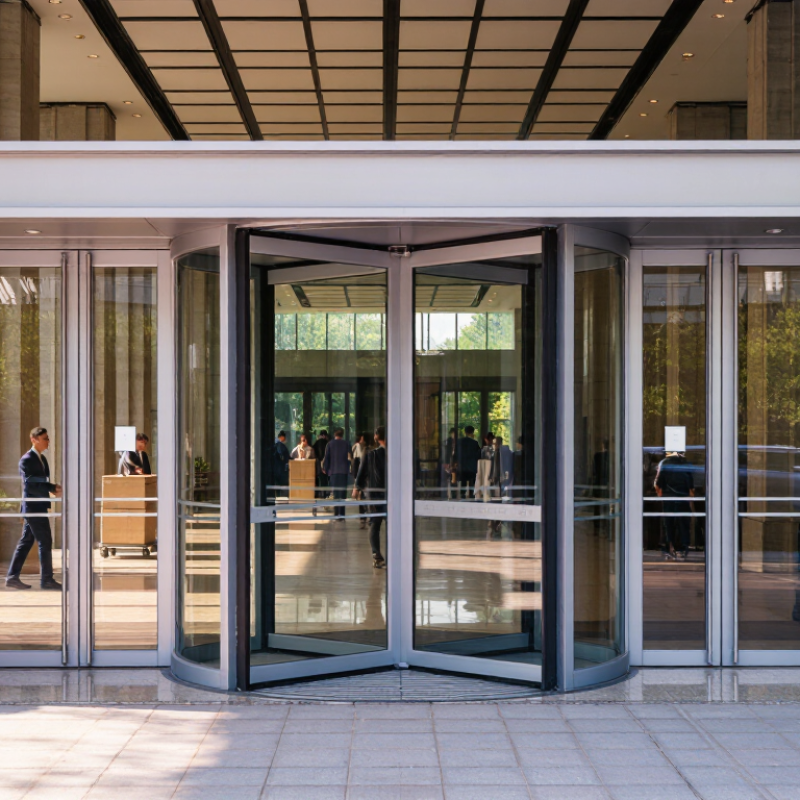
The best entrance depends on guest flow, available space, and weather exposure. Automatic sliding doors offer hands-free access and a clear, welcoming opening, but sensors and maintenance matter. Revolving doors help limit drafts in busy, climate-controlled lobbies, though luggage and mobility devices can make them less convenient. Swing doors are familiar and simple, but need room to open and can create queues during check-in rushes. No option wins every time.

The U.S. Energy Information Administration’s 2018 Commercial Buildings Energy Consumption Survey counted about 5.9 million commercial buildings nationwide. It does not compare entrance-door types, but its scale underscores why energy performance deserves attention. Accessibility matters just as much: the U.S. Access Board’s ADA Standards specify a 32-inch minimum clear opening for many doorways. A beautiful revolving entrance is not enough if guests cannot use it easily.

Tips: Observe the entrance during peak arrivals, with suitcases and mobility aids in use. Check clear opening width, sensor response, and drafts on windy days. Automatic doors can feel effortless—until a sensor misses a guest. Include maintenance access and backup operation in the design review; these details are easy to overlook.

What Is the Best Hotel Main Entrance Door for 2026? — Comparing Automatic, Revolving, Sliding, and Swing Entrance Doors

Comparison factor Automatic doors Revolving doors Sliding doors Swing doors
Typical operation Power-operated doors open when activated by a sensor, push plate, or other control. They may slide or swing. Panels rotate around a central axis as people pass through separate compartments. Panels move horizontally, commonly using an automatic operator and presence sensors. One or more leaves pivot on hinges; operation may be manual or power-assisted.
Best suited to Entrances needing hands-free access, subject to the selected door configuration and site layout. High-traffic entrances where continuous pedestrian flow and reduced direct air exchange are priorities. Hotels seeking a clear, hands-free passage for guests with luggage, where there is enough wall space for the panels. Lower- to moderate-traffic entrances, or locations where a simple, familiar door arrangement is preferred.
Pedestrian flow Can support convenient passage; capacity depends on the door type, opening width, control settings, and traffic conditions. Supports steady flow, but each compartment limits how many people can pass at once. Large luggage and groups may slow movement. Provides a wide, unobstructed opening when fully open; queues may form if the opening is narrow or the door cycles slowly. Usually accommodates one or a few people at a time; traffic can be interrupted while the leaf swings open and closes.
Accessibility and luggage Can improve hands-free access, but accessible routes, clear opening widths, controls, and safety features depend on the installation and applicable local requirements. May be difficult for some wheelchair users, people with mobility aids, or guests carrying bulky luggage; provide an accessible alternative where required. Often convenient for wheelchairs, strollers, and luggage when the clear opening and sensor arrangement are suitable. Can require users to pull or push the leaf and manage its swing path; accessible hardware or a separate automatic route may be needed.
Space and layout Varies by configuration. Sliding systems need side pockets; swing systems need a clear swing area. Requires a dedicated circular footprint and sufficient clearance for approach, circulation, and any adjacent accessible route. Needs space alongside the opening for panels to slide or stack; does not require a door-leaf swing arc. Needs clear floor area through the swing arc and may affect furniture, queuing, or the lobby layout.
Weather and energy considerations Performance depends on the door design, closing behavior, vestibule, seals, and building conditions. Power operation alone does not guarantee energy savings. Can limit direct exchange of indoor and outdoor air because it does not leave the full entrance open at once; results depend on the installation and usage. Frequent or prolonged open cycles can increase air exchange. A vestibule, appropriate controls, and effective closing can help manage it. A properly fitted, self-closing swing door can help limit drafts when closed; frequent use or doors held open can increase air exchange.
Safety and operational planning Requires suitable sensors, activation controls, and safety features for the specific door type. A manual or emergency-use strategy may also be needed. Requires clear instructions and safe operating conditions; emergency egress and accessibility provisions must be addressed in the design. Needs sensors and safety features appropriate to the opening and traffic. Confirm how the system behaves during power loss or emergency use. Needs clear swing space and suitable hardware. Inward or outward swing direction must be coordinated with circulation and applicable egress requirements.
Maintenance considerations Powered systems need periodic inspection of operators, controls, sensors, and safety devices; service needs vary by design and usage. Has rotating components and moving panels that need scheduled inspection and adjustment; maintenance access should be considered during design. Tracks, rollers, sensors, and operators may need regular cleaning, inspection, and adjustment, especially in busy entrances. Hinges, closers, latches, and seals need periodic inspection; manual systems generally have fewer powered components.
Key trade-off “Automatic” describes powered operation rather than one specific door style, so the performance depends on whether the system slides, swings, or uses another configuration. Can help manage continuous traffic and air exchange, but takes substantial space and may not suit every guest or luggage type. Offers a convenient, wide passage, but needs side clearance and careful sensor, safety, and weather-management planning. Is straightforward and familiar, but requires swing clearance and may be less convenient for hands-free, high-volume traffic.

Planning note: “Automatic” is an operating method, not a separate geometry: sliding and swing doors can both be power-operated. Final selection should account for traffic, lobby layout, accessibility, fire and egress rules, local codes, and maintenance arrangements.

How to Choose a Hotel Main Entrance Door for 2026 Conditions

What Is the Best Hotel Main Entrance Door for 2026?

How to Choose a Hotel Main Entrance Door for 2026 Conditions

The best entrance door depends on the hotel’s climate, traffic, and layout. In a busy lobby, automatic sliding doors can keep guests moving and reduce contact with handles. But they need reliable sensors and regular maintenance. A hinged door may suit a smaller property, especially where wind or limited space makes sliding doors less practical. Check the clear opening, threshold, and opening force with luggage, wheelchairs, and strollers in mind.

For 2026 conditions, look beyond appearance. Choose a durable frame, secure glazing, and weather seals suited to local rain, heat, or cold. A draft near the reception desk is a useful warning sign. So is water collecting by the threshold. Ask installers to assess wind exposure, daily traffic, and emergency access before specifying the system. Some details are easy to overlook.

Tips: Test the door during a busy arrival period, not only during a quiet inspection. Ask staff whether it closes smoothly with a loaded luggage cart nearby. Compare maintenance needs and energy performance, and confirm that replacement parts are readily available. Perfect performance is unlikely; plan for wear, and review the choice after the first season.