7 Best Custom Sliding Doors for Global Buyers
Choosing among the 7 Best Custom Sliding Doors for Global Buyers requires more than comparing glass sizes and frame colors. Custom sliding doors influence daylight, ventilation, security, accessibility, and indoor comfort. They also perform differently across coastal, tropical, cold, and high-wind environments.
The U.S. Department of Energy reports that windows and doors can account for 25%–30% of residential heating and cooling energy use. That figure makes glazing, seals, frame insulation, and installation quality important buying factors. The National Fenestration Rating Council also emphasizes independent ratings for U-factor, solar heat gain, visible transmittance, and air leakage. These measurements help buyers compare products across markets. Still, ratings do not tell the entire story.
Details matter. Building-science expert Joseph Lstiburek often reminds designers, “A building enclosure is a system.” A sliding door proves that principle. Its track, sill, flashing, drainage path, glass, and surrounding wall must work together. A beautiful panel may still leak during wind-driven rain if the threshold design is weak. That mistake is easy to overlook.
This guide evaluates Custom sliding doors through a practical lens. It considers thermal performance, corrosion resistance, panel weight, opening size, maintenance, customization, and after-sales support. Manufacturer claims deserve scrutiny. So do optimistic showroom demonstrations. Local climate data and installation standards should influence the final choice, even when they complicate the decision. No product fits every building. That is the uncomfortable truth. The best option balances performance, appearance, budget, and long-term serviceability.
Types of Custom Sliding Doors for Different Global Buyer Needs
7 Best Custom Sliding Doors for Global Buyers
Types of Custom Sliding Doors for Different Global Buyer Needs
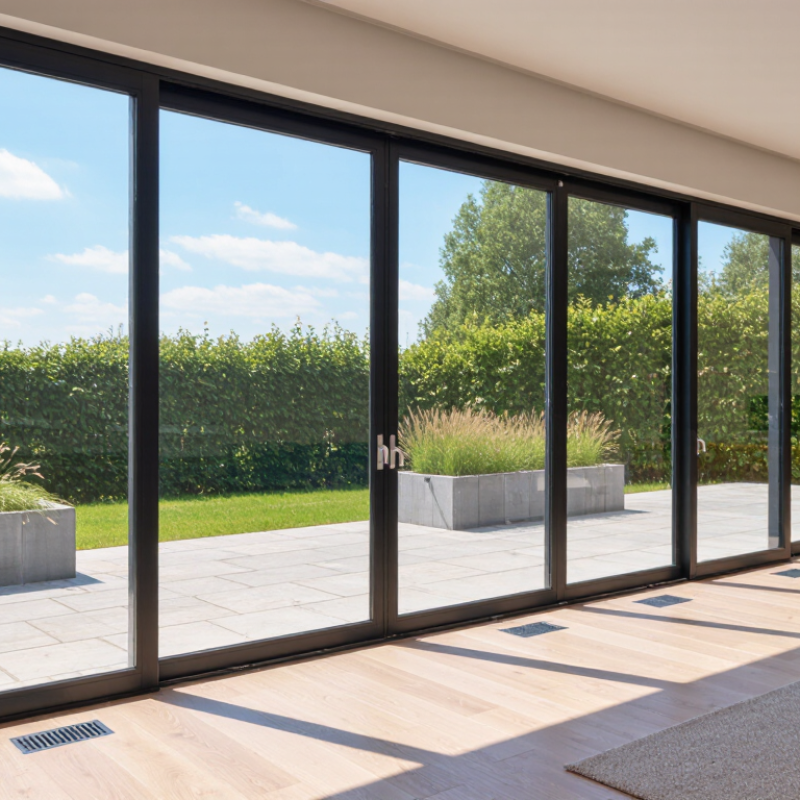
Custom sliding doors should match climate, building use, and installation conditions.
Thermally broken aluminum doors suit modern homes in hot or cold regions.
Their narrow frames support large glass panels and stable operation.
uPVC sliding doors offer practical insulation for residential projects with controlled budgets.
They require accurate measurements, especially around uneven openings.
Wood sliding doors add warmth to hotels, villas, and heritage-style interiors.
However, humidity may cause swelling without suitable treatment.
Lift-and-slide doors work well for wide openings and frequent outdoor access.
Pocket sliding doors save interior space by disappearing into the wall.
Large glass systems improve daylight, but buyers should confirm safety glazing, drainage, and wind-load performance.
For compact rooms, two-panel doors may be more reliable than oversized systems.
Bigger is not always better.
Tips: Ask for thermal values, glass specifications, hardware load limits, and installation drawings.
Check local building requirements before production. Review sample corners and locking points, not only catalog images.
A door can look excellent yet perform poorly after careless installation. Include spare rollers and maintenance guidance in the purchasing plan.
Global buyers should also confirm packaging quality, delivery conditions, and after-sales communication.
Specification errors happen. Careful review prevents expensive changes later.
Key Materials, Designs, and Customization Options
7 Best Custom Sliding Doors for Global Buyers
Key Materials, Designs, and Customization Options
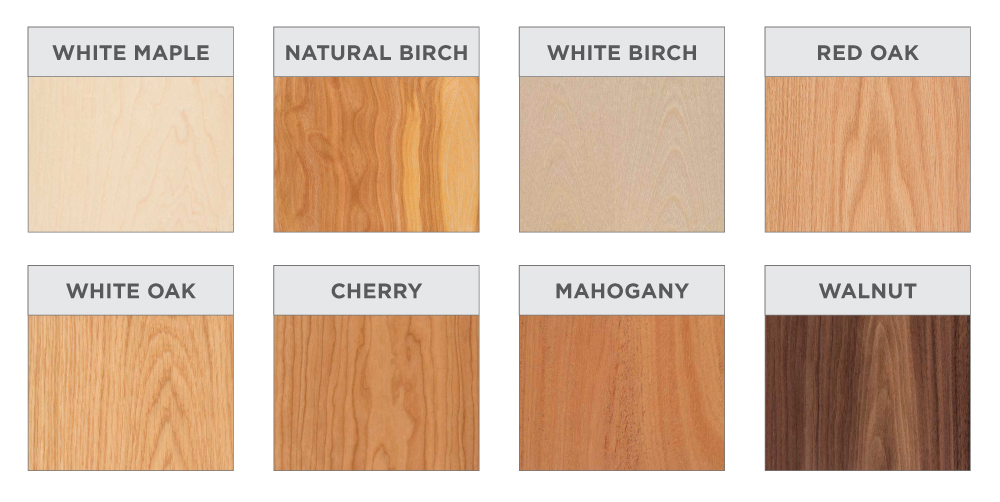
Seven strong choices suit different spaces: aluminum-glass doors offer slim frames and wide views; solid timber doors add warmth; steel-framed glass creates an industrial character. uPVC systems can improve insulation, while frameless glass delivers a cleaner, lighter appearance. Pocket sliding doors disappear into the wall. Barn-style doors bring visual drama, although they may not seal sound or weather well. Material selection should reflect humidity, salt air, sunlight, and daily traffic. In project reviews, I have found that track quality matters as much as the door panel. A beautiful door can still feel wrong when it rolls unevenly.
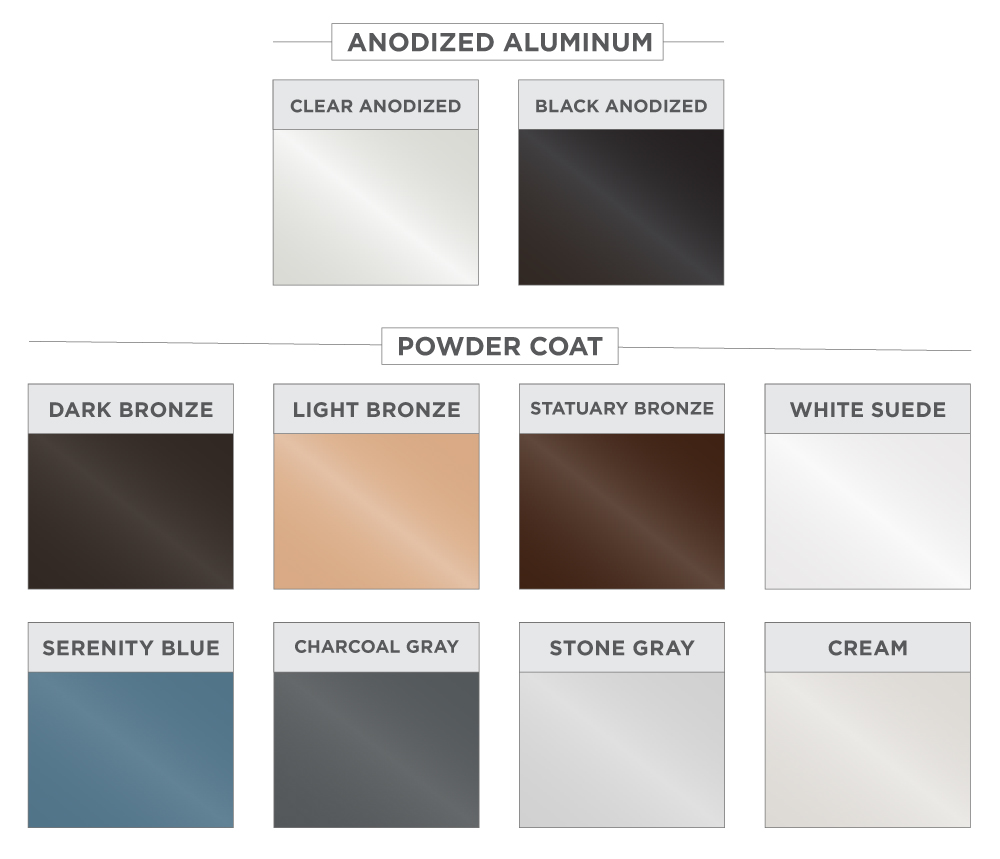
Customization should cover more than color. Buyers can specify panel width, glass thickness, privacy levels, soft-close hardware, handle shape, track position, and threshold height. Low-emissivity glass may support indoor comfort, while laminated glass can reduce injury risks after breakage. Timber needs suitable finishing for its climate. Aluminum needs accurate coating and drainage details. Measurements must include wall alignment and floor tolerance. Small errors become obvious.
Tips: Request full technical drawings before production. Check opening size, stacking direction, wind exposure, and maintenance access. Ask a qualified local installer to review safety and building requirements. I once favored the thinnest frame, but it offered less shade control than expected. That was a useful correction. Choose performance first, then appearance.
7 Best Custom Sliding Doors for Global Buyers
Key materials, designs, and customization options compared by typical design performance.
Ratings use a 1–10 indicative scale based on common characteristics of each door configuration. Thermally broken frames and insulated glazing generally improve energy performance, while larger glass areas maximize daylight but can require stronger solar-control and acoustic specifications. Actual results depend on opening size, glass build-up, frame design, climate, and installation quality.
How to Compare Performance, Safety, and Energy Efficiency
Custom sliding doors should be compared by measured performance, not appearance alone.
Check the frame material, roller quality, track design, and resistance to wind-driven rain. A well-built door should slide smoothly without shaking or scraping. Ask for air leakage, water penetration, and wind-load test reports. These documents reveal more than polished product images.
Safety deserves equal attention.
Look for laminated or tempered glass, secure multi-point locks, anti-lift blocks, and finger-safe closing details. Glass thickness should suit the door size and local building requirements. During site inspections, I have found that a beautiful panel can still feel unsafe when the rollers are poorly adjusted. Request installation instructions, maintenance guidance, and a clear warranty. Local safety standards differ, so global buyers should verify compliance before ordering.
Energy efficiency depends on the entire opening, not glass alone.
Compare the U-value, solar heat gain coefficient, thermal breaks, and gasket quality. Low-emissivity glass may reduce indoor heat loss, while suitable solar control can limit afternoon glare. Orientation matters. A west-facing door may need stronger solar protection than a shaded entrance. I once underestimated installation quality, and a small frame gap weakened an otherwise efficient system. Inspect drainage paths, corner joints, and the threshold before final approval. Loose tolerances are easy to overlook.
Seven Recommended Custom Sliding Door Solutions by Application
7 Best Custom Sliding Doors for Global Buyers
Seven Recommended Custom Sliding Door Solutions by Application
For energy-conscious patios, choose thermally broken frames, low-emissivity glass, and adjustable drainage. The IEA reported that buildings consumed about 30% of global final energy in 2022. Every sealed joint matters. Balcony openings need slim, wind-rated systems with laminated safety glass and corrosion-resistant hardware. Coastal buyers should request salt-spray testing, not only attractive finishes. For living-room partitions, use acoustic laminated glass and soft-close rollers. This solution separates cooking noise without blocking daylight.
For bathrooms, frosted tempered glass provides privacy and safer breakage behavior. Wardrobes benefit from lightweight mirrored panels, anti-jump guides, and carefully balanced tracks. Small details matter. Commercial entrances require wider clear openings, impact-resistant glazing, and sensor-controlled operation. Accessibility checks should follow local requirements, because dimensions and automatic-door rules vary between markets. In retail or office projects, request documented air, water, and structural test results before approval.
Industrial interiors need reinforced rollers, thicker panels, and replaceable floor guides. Insulated sliding doors can support temperature control in workshops or storage areas. However, insulation claims need measured U-values, not vague marketing language. The IEA and the GlobalABC building reports both identify envelope performance as a practical route toward lower building energy demand. I would not specify one “best” door for every climate. A high-performance patio system may fail in a dusty warehouse. Confirm wind exposure, opening size, glass safety, drainage, maintenance access, and regional certification before production.