Skip to content

What Are the Benefits of Acoustic Metal Panels in 2026?

In the evolving world of architecture and design, Acoustic Metal Panels have gained significant attention. With the rise of urbanization, noise pollution has become a pressing issue. According to a recent study by the World Health Organization, over 20% of urban residents report high levels of noise-related stress. This highlights the need for effective sound management solutions.

Acoustic Metal Panels offer a unique combination of aesthetics and functionality. They not only enhance the visual appeal of spaces but also provide excellent sound absorption. Data from industry reports indicate that these panels can reduce sound transmission by up to 50%. This makes them ideal for commercial spaces, educational institutions, and entertainment venues. However, while they are effective, their installation can sometimes present challenges that require careful consideration.

The architectural community is adopting these panels, yet questions remain. Are these solutions always the best choice? Some projects may benefit from alternative materials. Embracing new technologies is essential, but it’s crucial to reflect on the long-term implications of choosing Acoustic Metal Panels. Balancing aesthetics, functionality, and sustainability will remain vital as we move forward.
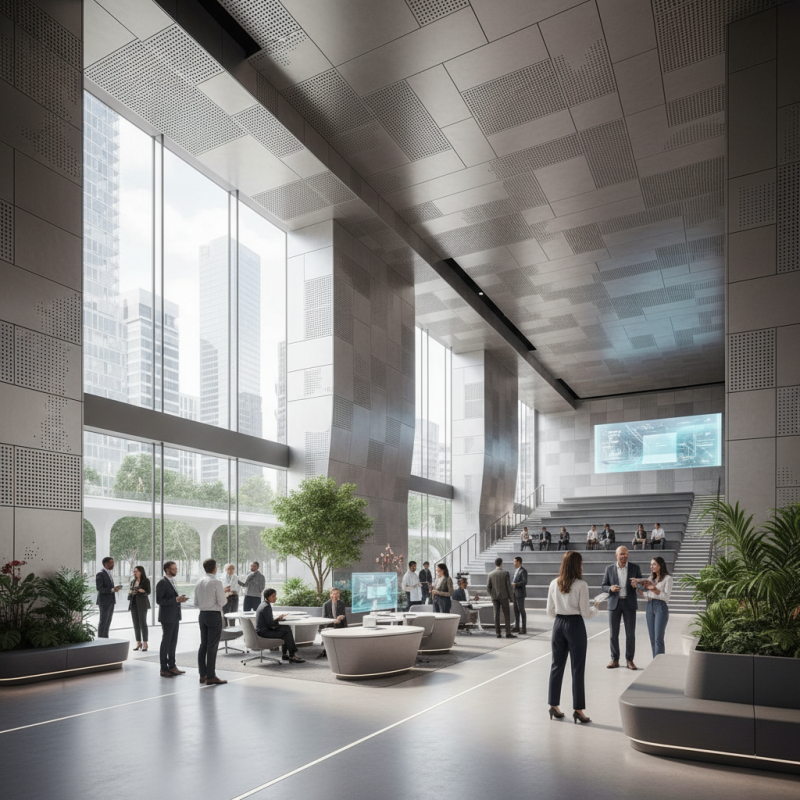
What Are the Benefits of Acoustic Metal Panels in 2026?

Benefits of Acoustic Metal Panels for Sound Absorption

Acoustic metal panels have gained traction in various industries, particularly for their sound absorption properties. In busy environments like offices, restaurants, and schools, these panels can significantly reduce noise levels. According to industry reports, businesses can improve productivity by up to 30% when noise is controlled effectively. This reduction creates a more pleasant atmosphere for staff and clients.

Professional studies show that typical acoustic metal panels can absorb sound at frequencies between 500 Hz to 4000 Hz. This makes them particularly effective in high-traffic areas. The right installation ensures optimal sound control, enhancing overall user experience. Many architects now consider these materials essential in design plans.

Tips: When selecting acoustic metal panels, consider thickness and density for maximum sound absorption. Regular maintenance ensures longevity and performance. Be cautious about placement; installation height can influence effectiveness. Evaluate potential sound issues in the space to find ideal panel specifications.

What Are the Benefits of Acoustic Metal Panels in 2026? - Benefits of Acoustic Metal Panels for Sound Absorption

Benefit Description Example Applications Impact on Environment
Sound Absorption Reduces reverberation times in various spaces. Concert halls, conference rooms Lowers noise pollution, contributing to better health.
Aesthetic Appeal Available in a range of designs and finishes. Offices, retail spaces Enhances building value and attraction.
Durability Long-lasting materials resistant to wear and tear. Industrial facilities, schools Less frequent replacements reduce waste.
Easy Maintenance Simple cleaning process to maintain appearance. Public venues, clinics Reduces the need for harsh cleaning chemicals.
Customization Can be tailored to fit specific acoustic needs. Theaters, auditoriums Promotes efficient use of resources through tailored solutions.

Enhancing Aesthetic Appeal with Acoustic Metal Panels

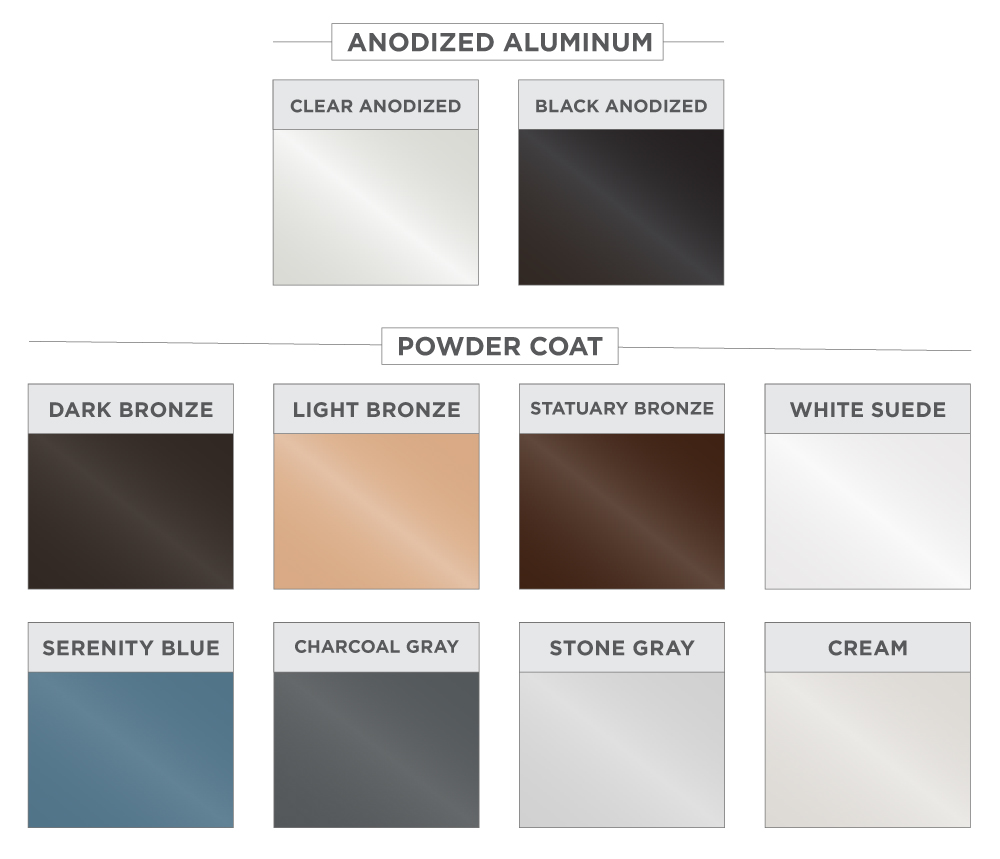
Acoustic metal panels are gaining popularity for their aesthetic impact in various spaces. Their sleek and modern look complements contemporary designs. These panels come in different finishes and colors, allowing architects to fit them seamlessly into any project. When used effectively, they can enhance the overall aesthetic while providing sound absorption.

Tips: Choose colors that harmonize with existing decor. Metallic finishes can create an illusion of space and light. Consider the layout of your panels to maximize visual impact.

Moreover, these panels can serve as a design statement. Many buildings are incorporating them into lobbies, conference rooms, and restaurants. The combination of functionality and beauty attracts clients and visitors alike. However, some may find the installation process challenging. Proper planning is essential to avoid misalignment that could detract from their appearance.

Tips: Always consult with experts for installation guidance. Evaluate the space acoustically to ensure optimal placement. Test small samples to decide on the best look before committing.

Sustainability and Durability of Acoustic Metal Panels

Acoustic metal panels are gaining attention for their sustainability and durability. These panels are often made from recycled materials. Their use reduces waste and minimizes the environmental impact of construction. When you choose them, you support a greener future. They also offer excellent acoustic performance, which enhances indoor environments.

The durability of these panels is notable. They withstand various weather conditions without significant damage. This longevity means fewer replacements. Buildings can maintain their aesthetic appeal over time. However, the manufacturing process can still improve in reducing energy consumption. Adopting greener practices in production will further enhance their sustainability.

There are challenges to address in the market. While acoustic metal panels are increasingly popular, some may still question their efficiency. Research in acoustics is ongoing, and better designs could emerge. Building professionals must remain updated on new findings. This ensures that they make informed decisions about integrating these panels into projects.

Benefits of Acoustic Metal Panels in 2026

The chart above illustrates the various benefits of acoustic metal panels in 2026. Each category is rated on a scale of 1-10, highlighting the significant advantages these panels offer, especially in terms of sustainability and durability.

Applications of Acoustic Metal Panels in Modern Architecture

Acoustic metal panels have become essential in modern architecture. Their applications vary greatly, enhancing the acoustic quality of spaces. These panels effectively absorb sound, making environments more pleasant for occupants. Offices, schools, and theaters benefit from improved acoustics. They reduce noise pollution, which is crucial in busy urban settings.

In office buildings, acoustic metal panels create quieter spaces for collaboration. They help workers focus, reducing distractions. Schools too see value in these panels. They promote better learning by minimizing background noise. Additionally, theaters experience clearer sound projection, elevating audience experiences.

Tips: Consider the panel's placement. Proper positioning aids in sound absorption. Material choice is crucial. Metal panels can be available in various finishes, enhancing aesthetics. They should harmonize with overall design. Remember, while they enhance acoustics, poor installation might lead to unsatisfactory results. Reflect on your acoustic strategy to find the right balance for your project.

Cost-Effectiveness of Acoustic Metal Panels in 2026

In 2026, the cost-effectiveness of acoustic metal panels makes them an attractive option for various applications. Industry reports indicate that these panels provide significant noise reduction at a competitive price. For example, they can reduce sound transmission by up to 40%, leading to a quieter and more productive environment.

The initial investment for acoustic metal panels is often higher than basic materials. However, their durability contributes to long-term savings. Studies show that metal panels can last up to 50 years with minimal maintenance, unlike traditional acoustic materials, which may need replacement every decade. This durability reduces the total cost of ownership, making them a viable choice for architects and contractors.

Moreover, considering energy efficiency, many acoustic metal panels enhance insulation. Energy savings from improved insulation can lead to lower utility bills. Some reports suggest energy costs can drop by 15% when using high-quality acoustic panels. This added benefit emphasizes their role as a sustainable choice, although the upfront cost can still pose a barrier for some projects. Adopting acoustic metal panels requires careful budgeting and long-term planning to fully realize their advantages.