2026 Top Types of Forklift Pallets for Buyers?
Choosing the right Forklift Pallets can affect handling speed, product protection, and operating costs across a warehouse. A pallet that looks suitable on paper may wobble under an uneven load or fail to fit a rack opening. Small details matter.
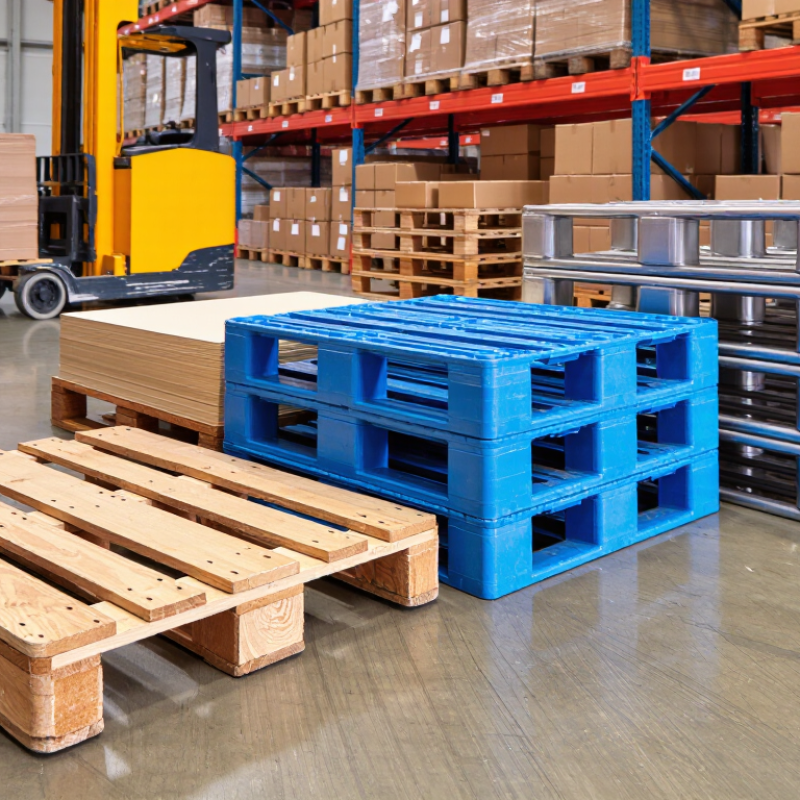
This guide examines common pallet types buyers may consider in 2026, including wood, plastic, and metal designs, along with variations such as stringer and block pallets. Each option has practical strengths. Wood pallets are widely used and easy to repair, while plastic models resist moisture and are easier to wash. Metal pallets can support demanding applications, but their weight and upfront cost may not suit every operation. Paper pallets may also work for lighter, controlled shipments, though they require careful load assessment.
The right choice depends on more than material. Buyers should compare load capacity, pallet dimensions, entry points for forklift forks, storage conditions, handling frequency, and whether pallets will circulate repeatedly or ship one way. Check the manufacturer’s ratings against real operating conditions, and inspect sample units with the actual load when possible. A published capacity alone cannot capture every impact, floor condition, or loading pattern. Not always.
This overview is a starting point, not a substitute for site-specific testing. Even experienced teams sometimes discover that a cheaper pallet creates extra handling or replacement work. The best option is the one that fits your equipment, goods, and workflow reliably—not simply the one with the lowest purchase price.
Forklift Pallets: Purpose, Structure, and Essential Specifications
Forklift pallets move, store, and protect goods, but their purpose depends on the handling route. A pallet used for short warehouse transfers may not suit long-term rack storage. Fit matters. Confirm the pallet’s length, width, and entry direction against the forklift, conveyor, and storage locations. A few centimeters can affect clearances and load stability.
Structure determines how a pallet carries weight. Deck boards support cartons, while stringers or blocks transfer force to the forks and floor. Two-way pallets allow fork entry from two sides; four-way designs provide more access, though openings and construction vary. Plastic, wood, and metal each behave differently in wet, cold, or washdown areas. Choose based on the goods and working conditions, not appearance alone.
Check rated capacity for the actual use: dynamic loads during lifting, static loads on the floor, and racking loads on beams are not interchangeable. Ask how the rating was tested, and inspect for damaged boards, loose fasteners, or warped runners. A pallet can look sturdy and still flex under an uneven load. I would also verify pallet weight and fork-pocket clearance before ordering; these details are easy to overlook, and they can complicate everyday handling.
Main Pallet Types by Material: Wood, Plastic, Metal, and Composite
2026 Top Types of Forklift Pallets for Buyers?
Main Pallet Types by Material: Wood, Plastic, Metal, and Composite
Wood pallets are widely used because they are easy to source and often simple to repair. Check for cracked boards, loose nails, and damp spots before lifting. A damaged deck can shift a load without warning. Plastic pallets resist moisture and are easy to wash, making them useful where cleanliness matters. However, cold conditions or a hard impact may make some designs brittle.
Metal pallets suit heavy loads and repeated use, but their weight can increase handling effort. Look for corrosion, bent supports, and secure welds. Composite pallets combine materials such as wood fibers and plastic, so strength and repair options vary by design. A label alone is not enough; confirm the rated load and how it behaves under your storage conditions. The best choice depends on the load, handling frequency, and work environment.
Tips: Measure the fork openings and check pallet dimensions against your forklift and racking. Test a sample with a typical load before ordering at scale. Small fit problems matter. Even a durable pallet may perform poorly if forks cannot enter cleanly or the load sits unevenly. Recheck condition regularly; in busy operations, inspection can be missed.
2026 Top Types of Forklift Pallets for Buyers
Typical pallet tare-weight ranges by material (kg per pallet)
Wood, plastic, metal, and composite pallets come in a wide range of designs. These indicative ranges are for comparison, not product specifications: actual weight depends on pallet dimensions, construction, and load rating. Confirm the tare weight and forklift compatibility with the supplier before buying.
Pallet Designs and Entry Styles for Different Forklift Operations
Pallet entry style determines how quickly a truck can engage a load—and whether it can do so safely in a tight aisle. Two-way stringer pallets suit predictable, straight-on travel, such as floor-level staging. Four-way block pallets allow entry from either side, helping when operators must reposition loads near racks or dock doors. Small details matter. Check fork-pocket width and height against the truck’s fork dimensions; a few centimeters of mismatch can cause scraping or unstable lifting.
OSHA’s powered industrial truck safety materials cite estimates of about 85 forklift-related deaths and 34,900 serious injuries each year in the United States. Those figures cover many incident causes, not pallets alone, but they underline why stable loads and clear fork access matter. Open-deck designs can reduce weight and let debris fall through, while closed decks support smaller cartons and fragile packages. For frequent side entry, confirm that the pallet’s openings remain accessible when loads overhang.
A four-way entry is not automatically the best choice. Notches or reduced stringer sections can affect stiffness, so buyers should verify rated capacity under the actual load and handling pattern. Test the fit. Run a loaded sample through the real aisle, including turns and rack approaches, before standardizing. ISO 6780 provides a reference for principal pallet dimensions, but local equipment and warehouse clearances still shape the practical choice. A paper specification may miss a rough floor joint or a narrow approach angle.
How to Match Pallet Types to Loads, Environments, and Handling Needs
Choosing a forklift pallet starts with the load, not the material. Check the product’s weight, footprint, and center of gravity. A dense machine part may need a reinforced wooden or metal pallet, while lighter cartons often work well on plastic. Keep static, moving, and racking capacities separate; they describe different conditions. A pallet that holds a load on the floor may flex on a rack. That detail gets missed.
The environment narrows the options. In damp rooms or washdown areas, plastic resists moisture and is easier to clean, but cold can make some designs less impact-resistant. Wooden pallets are practical for varied loads and repairs, though splinters and loose boards can snag packaging. Metal suits demanding, repeated handling, but its weight affects fuel use and manual positioning. Not every site needs it. Measure fork spacing and entry direction, then test a loaded pallet through the actual route: dock plates, tight turns, and rack beams reveal problems a specification sheet may not. I would also check empty-pallet nesting or stacking space. It seems minor, until storage fills up. A small trial with the heaviest regular load is often more useful than choosing by price alone.
Buyer Checklist for Comparing Pallets in 2026
Forklift pallets differ in material, entry design, and load capacity. Wood pallets are widely used and can often be repaired, but inspect for loose boards, protruding nails, and moisture damage. Plastic pallets resist moisture and are easier to wash, yet some designs can become brittle in cold conditions. Metal pallets suit demanding, repeated use, though their weight and purchase cost may be higher. There is no perfect option.
Start with the actual load. Check its weight, footprint, and how it sits on the pallet. Compare the stated dynamic rating for forklift handling with the static rating for floor storage. If pallets will sit in warehouse racking, confirm the approved racking capacity separately. Ask for written specifications and clarify whether ratings depend on even load distribution. Small print matters.
Measure pallet dimensions against forklift fork spacing, aisle constraints, conveyor openings, and storage bays. Check entry from the sides you need, plus clearance for fork thickness. Consider exposure to rain, wash water, oils, or temperature changes. Then estimate total cost across expected trips, repairs, cleaning, and disposal—not just the unit price. Pilot a few pallets with your real loads. Watch for flex, awkward fork entry, or slipping during turns. I have seen buyers overlook one narrow conveyor opening; that detail can undo an otherwise sensible choice.